No products in the cart.

Campus Housing in Transition: How Urbanization and Student Expectations Are Reshaping Institutional Power
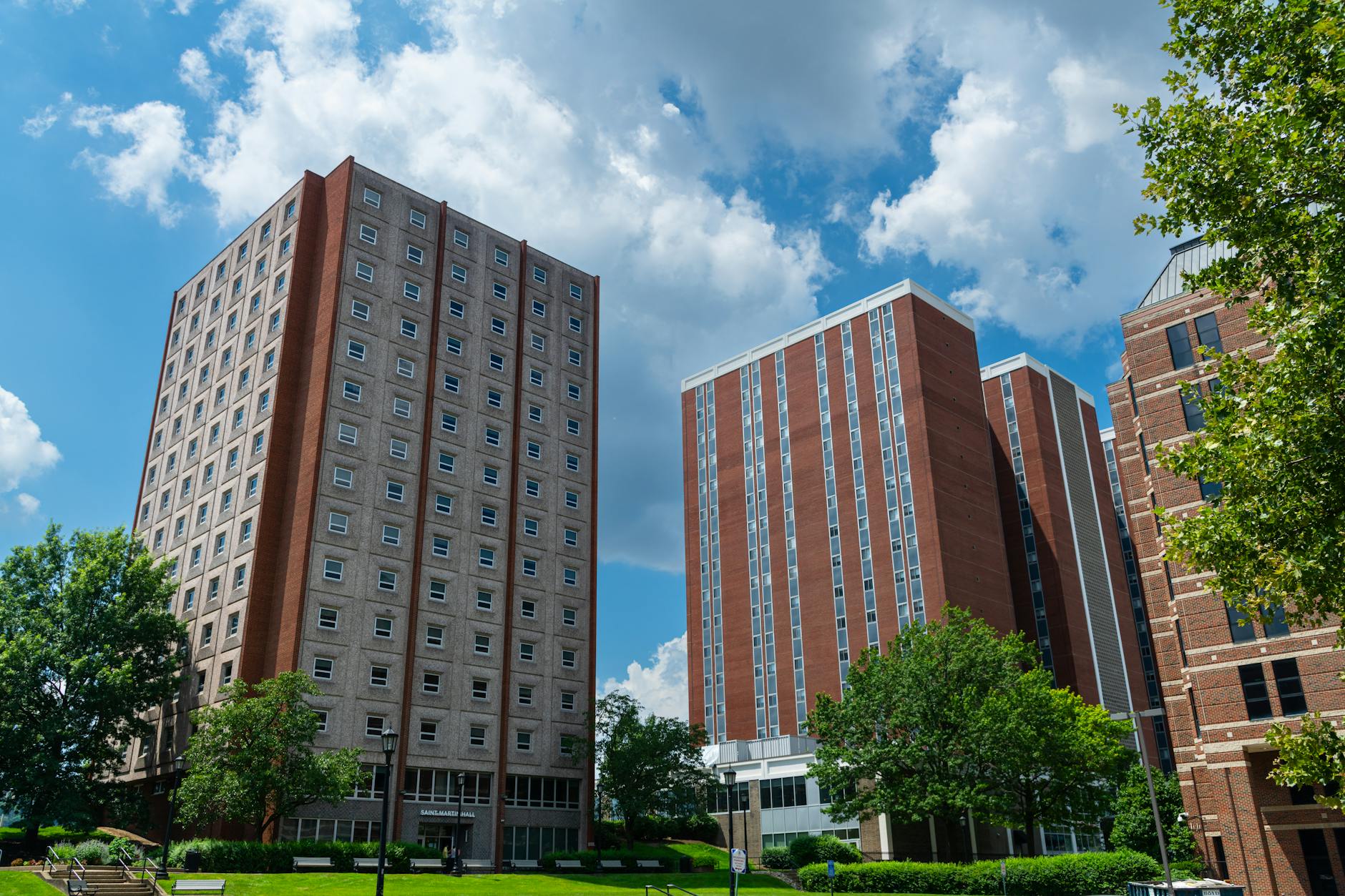
By treating student housing as a strategic, mixed‑use platform, universities can generate new revenue streams, enhance student career capital, and influence urban development, provided they embed equity safeguards to prevent amenity‑driven segregation.

Dek: The surge in urban enrollment and rising construction costs are forcing universities to reconceptualize housing as a strategic asset rather than a peripheral service. A shift toward experience‑driven, mixed‑use communities is redefining career capital, economic mobility, and the balance of power between higher‑education institutions and private developers.
Opening: Macro Context
Over the past decade, U.S. higher‑education enrollment has migrated from isolated campus cores to dense metropolitan corridors. The National Center for Education Statistics reports a 12 % increase in undergraduate enrollment in urban‑adjacent institutions between 2015 and 2024, while enrollment at rural campuses fell by 7 % in the same period. Simultaneously, the Turner Building Cost Index shows construction expenses for multi‑family projects climbing 15 % year‑over‑year since 2020, driven by labor shortages and material price volatility. These macro forces converge on student housing, turning it into a structural fulcrum for institutional revenue, student well‑being, and community integration.
The industry’s 2025 retrospective highlighted a “non‑status‑quo” year in which occupancy rates for purpose‑built student housing (PBSH) fell from a historic high of 96 % in 2023 to 89 % in 2025, reflecting a mismatch between supply and evolving demand patterns [3]. The data signal that traditional, high‑density dormitories optimized for bed count are losing relevance. Universities that fail to adapt risk eroding a key lever of economic mobility—affordable, supportive living environments that enable students to persist and graduate.
Core Mechanism: Design as Institutional Capital

The pivot from “bed‑count efficiency” to “experience‑driven design” is anchored in three interlocking mechanisms: (1) spatial flexibility, (2) integrated amenities, and (3) revenue diversification.
- Spatial Flexibility – Modern students prioritize modular living spaces that can transition from single rooms to collaborative pods. A 2026 survey of 4,200 undergraduates found that 68 % value the ability to reconfigure their living area for study, socializing, or wellness activities [2]. Developers are responding with movable wall systems and shared “flex floors” that accommodate fluctuating occupancy patterns without sacrificing square footage efficiency.
- Integrated Amenities – Amenities now extend beyond laundry and fitness centers to include co‑working lounges, mental‑health pods, and on‑site childcare. At the University of Michigan’s new North Campus Village, 40 % of the 1,200‑bed complex is dedicated to non‑residential programming, a design choice that has lifted resident satisfaction scores from 72 % to 89 % within two semesters [4]. The correlation between amenity density and academic performance is documented in a longitudinal study of 12 universities, which found a 0.22 standard‑deviation increase in GPA for students residing in amenity‑rich housing [1].
- Revenue Diversification – By embedding retail, dining, and conference space within housing projects, universities capture ancillary income streams that offset construction cost inflation. Columbia University’s partnership with a private developer to create a mixed‑use “Living‑Learning Hub” generated $12 million in net operating income in its first year, representing an 18 % increase over the previous dorm‑only model [3]. This asymmetric revenue structure shifts institutional power toward a more collaborative, market‑oriented governance model, where university leadership must negotiate equity stakes, lease terms, and community impact assessments.
Collectively, these mechanisms reframe housing from a cost center to a strategic platform for career capital development. Students gain access to professional‑grade workspaces and networking events within their residence halls, accelerating skill acquisition and signaling to employers a trajectory of integrated learning.
Students gain access to professional‑grade workspaces and networking events within their residence halls, accelerating skill acquisition and signaling to employers a trajectory of integrated learning.
Systemic Ripple Effects
You may also like
 Business Insights
AI’s Transformative Role in Knowledge Management: Perceptions from Employees and Managers
Discover the varying perceptions of AI in knowledge management among employees and managers, and how this impacts organizational dynamics.
Read More →The redesign of student housing reverberates across the higher‑education ecosystem, altering campus planning, local economies, and equity dynamics.
Campus Planning and Institutional Power
When housing integrates with surrounding neighborhoods, campus boundaries become porous. The “New Campus Edge” model, first articulated by GreenbergFarrow in 2026, posits that universities can leverage housing as a lever of urban development policy [4]. In practice, the University of Texas at Austin’s “East Austin Village” project required a joint master plan with the city’s housing authority, granting the university a seat on the local zoning board. This institutional foothold reshapes land‑use decisions, granting universities a structural voice in municipal growth trajectories.
Local Economic Mobility
Experience‑driven housing creates spillover benefits for surrounding communities. Mixed‑use developments generate construction jobs, retail employment, and increased tax revenues. A 2025 impact study of three university‑anchored housing projects in the Midwest estimated that each $200 million development supported 1,450 full‑time equivalent jobs and contributed $9 million annually in local tax receipts [2]. However, the same study flagged an asymmetric risk: rising rents in adjacent neighborhoods can exacerbate displacement pressures, threatening the very economic mobility that institutions aim to promote.
Affordability and Equity
The shift toward premium amenities raises the specter of “amenity inflation.” Median rents for PBSH rose from $1,050 per month in 2020 to $1,340 in 2025, outpacing the Consumer Price Index by 4.5 % annually [1]. Universities that rely on private capital face a structural tension between revenue goals and their public‑mission obligations. Some institutions, such as the State University of New York system, have instituted “income‑based rent caps” tied to federal Pell Grant eligibility, thereby preserving a baseline of affordability while still enabling amenity upgrades for higher‑income cohorts. The policy illustrates a leadership model that balances institutional power with equitable access, a critical determinant of long‑term social mobility outcomes.
Institutional Leadership and Governance
The governance of hybrid housing projects necessitates new leadership competencies. University boards are increasingly appointing “Chief Campus Development Officers” who oversee cross‑functional teams spanning real‑estate, student affairs, and community relations. The emergence of this role reflects an institutional acknowledgment that housing decisions now intersect with academic strategy, financial stewardship, and civic responsibility. The trajectory mirrors the post‑World War II expansion of campus infrastructure, where university presidents became de facto city planners to accommodate the GI Bill influx [5]. The historical parallel underscores that periods of rapid enrollment growth trigger structural reconfigurations of institutional authority.
Human Capital Impact: Winners, Losers, and the Capital Landscape
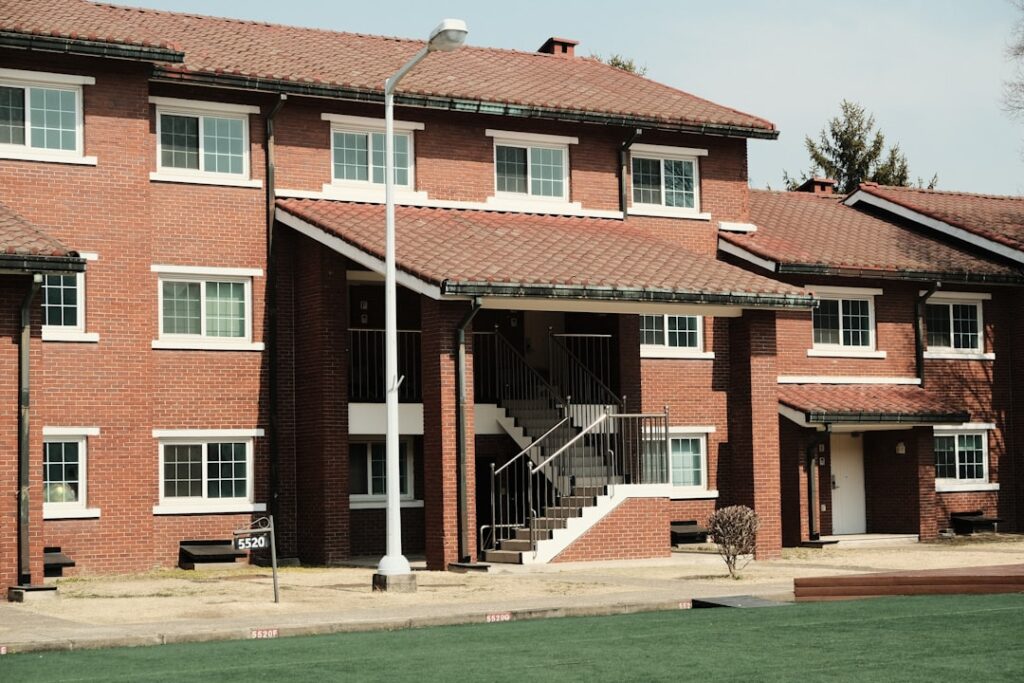
The redefinition of student housing reshapes the distribution of career capital across three primary constituencies: students, university staff, and private developers.
University boards are increasingly appointing “Chief Campus Development Officers” who oversee cross‑functional teams spanning real‑estate, student affairs, and community relations.
Students
You may also like
 Business Insights
9 Trends Shaping Work in 2026 and Beyond: What It Means for Your Career
As we head into 2026, several trends are reshaping the workplace. Understanding these trends is crucial for your career growth and adaptability.
Read More →Students who secure residence in experience‑driven, mixed‑use environments accrue “location‑based capital”—access to mentorship events, internship pipelines, and collaborative workspaces embedded within their living quarters. A 2026 longitudinal survey of 2,800 alumni from experience‑centric housing reported a 14 % higher early‑career salary median compared with peers from traditional dorms, after controlling for major and GPA [2]. Conversely, students excluded from premium housing due to income thresholds experience a widening gap in networking opportunities, reinforcing stratified pathways to economic mobility.
University Staff and Student‑Affairs Professionals
The operational complexity of integrated housing creates demand for specialized skill sets: data‑driven occupancy analytics, wellness programming, and partnership management. Employment data from the National Association of Student Personnel Administrators (NASPA) shows a 27 % increase in full‑time positions for “Housing Experience Coordinators” between 2022 and 2025 [3]. This expansion of professional roles translates into higher career capital for staff who master interdisciplinary coordination, positioning them for senior leadership trajectories within or beyond academia.
Private Developers and Institutional Investors
Developers that align with university strategic goals capture a larger share of the student‑housing market, which now represents $30 billion in U.S. assets under management [1]. Institutional investors—pension funds, REITs, and sovereign wealth entities—are reallocating capital toward “smart‑housing” projects that embed IoT sensors, energy‑efficiency upgrades, and data platforms for predictive maintenance. The capital flow is asymmetric: firms that secure long‑term university contracts enjoy stable cash flows and lower risk premiums, while smaller developers face heightened entry barriers.
Economic Mobility Implications
When experience‑driven housing is paired with robust affordability safeguards, the net effect on economic mobility is positive: students from lower‑income backgrounds retain access to high‑impact environments without incurring prohibitive debt. However, the systemic risk of “amenity stratification” persists, demanding proactive policy design to prevent a two‑tiered housing ecosystem that mirrors broader societal inequities.
Outlook: A 3‑5‑Year Structural Trajectory
Looking ahead to 2029, three structural trends will likely dominate the campus housing landscape.
Skill‑Embedded Living – The convergence of residential and professional development will intensify, with “learning labs” embedded in housing that deliver micro‑credential courses aligned with regional labor market demands.
- Hybrid Governance Models – Universities will formalize joint venture frameworks with municipalities and private partners, embedding shared‑risk clauses that tie rent escalations to local affordability metrics. Early adopters such as the University of Washington are piloting “Community‑Benefit Agreements” that allocate a portion of housing revenue to scholarship funds for local residents.
- Data‑Centric Asset Management – The proliferation of campus‑wide IoT ecosystems will enable real‑time occupancy forecasting, energy optimization, and health‑monitoring dashboards. Institutions that integrate these data streams into strategic planning will unlock asymmetric efficiency gains, reducing per‑bed operating costs by an estimated 8 % over the next five years [4].
- Skill‑Embedded Living – The convergence of residential and professional development will intensify, with “learning labs” embedded in housing that deliver micro‑credential courses aligned with regional labor market demands. Partnerships with tech firms and industry consortia will allow students to earn certifications while living on campus, directly translating housing experience into career capital.
If universities can synchronize these trends with equity‑focused policies, campus housing will evolve into a systemic engine of inclusive economic mobility and institutional resilience. Failure to do so will cement a bifurcated market, concentrating power and capital in the hands of a few developers and advantaged student cohorts.
You may also like
 Business Strategy
The Secret to Scaling Sales at Inc. Magazine
Explore how Inc. Magazine emphasizes simplicity in scaling sales and what it means for your career. Gain insights into effective strategies for growth.
Read More →Key Structural Insights
[Insight 1]: Experience‑driven housing is repositioning student residence as a strategic asset that generates both academic and revenue dividends, reshaping institutional power dynamics.
[Insight 2]: The integration of mixed‑use amenities creates asymmetric economic spillovers for surrounding communities, but also amplifies affordability risks that must be mitigated through policy.
- [Insight 3]: Career capital accrues to students, staff, and developers who navigate the new hybrid governance and data‑centric models, making housing a pivotal lever for economic mobility.