In the digital age, events are no longer just gatherings of people for networking or celebration. They have evolved into powerful marketing tools that can create lasting impressions and generate significant buzz. This transformation is largely due to the rise of social media, which allows attendees to share their experiences…
In the digital age, events are no longer just gatherings of people for networking or celebration. They have evolved into powerful marketing tools that can create lasting impressions and generate significant buzz. This transformation is largely due to the rise of social media, which allows attendees to share their experiences in real-time. As a result, event organizers must rethink their strategies, turning guests into content creators who actively promote the event both during and after it.
Understanding this shift is essential for businesses, marketers, and event planners. The challenge lies in designing experiences that not only engage attendees but also encourage them to share their moments online. This approach can amplify an event’s reach and impact, ultimately leading to increased brand visibility and loyalty.
Creating Shareable Experiences
Engagement through Visual Appeal
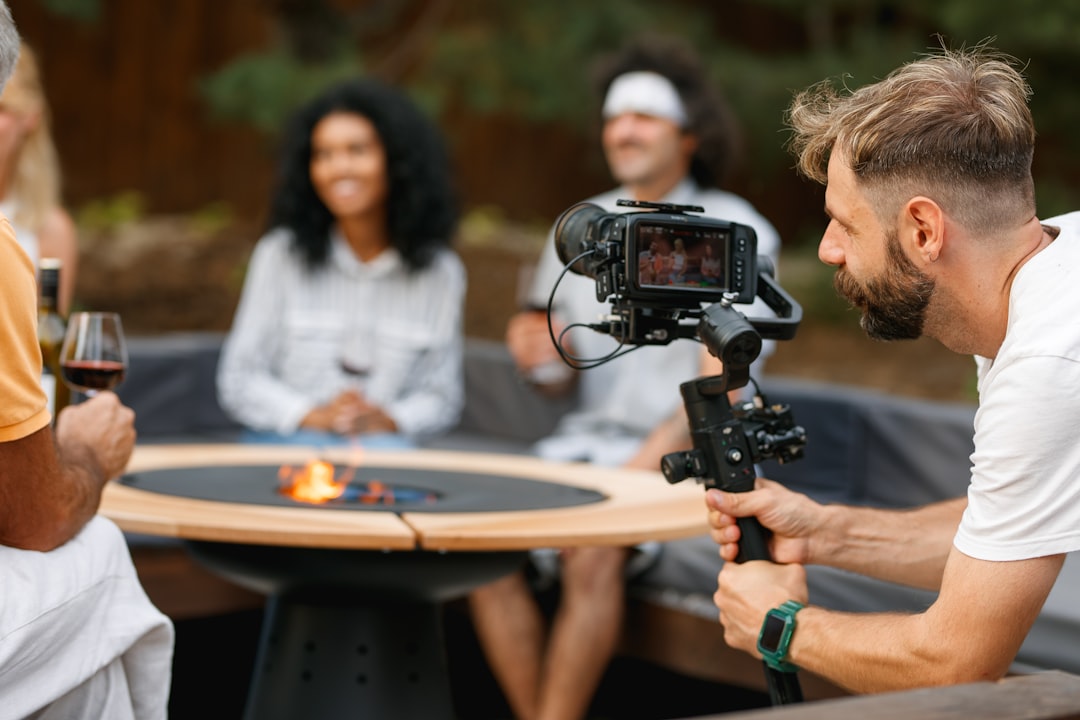
One of the key strategies for transforming guests into content creators is to focus on creating visually appealing experiences. Events that prioritize aesthetics are more likely to generate social media shares. This includes designing attractive backdrops, engaging interactive installations, and providing ample opportunities for attendees to take photos. For instance, a flower wall or a branded step-and-repeat banner can serve as perfect photo spots that encourage attendees to share their experiences online.
Moreover, the concept of shareable moments extends beyond static visuals. Incorporating interactive elements, such as photo booths with props or games that require social media participation, can enhance attendee engagement. These installations not only make the event memorable but also foster a sense of community among attendees. When guests feel connected to each other, they are more likely to share their experiences, thereby amplifying the event’s online presence.
Live streaming is another effective tool for expanding an event’s reach. By broadcasting key moments, such as speaker sessions or product launches, organizers can engage both in-person and online audiences. This strategy creates a sense of exclusivity for those who cannot attend in person and encourages them to participate through comments and shares.
Leveraging Influencers for Greater Reach
Working with social media influencers is a powerful strategy for enhancing an event’s visibility.
Chhattisgarh's TechStart 2025 initiative is set to reshape the landscape of innovation and entrepreneurship in the state through significant investments and strategic partnerships.
Working with social media influencers is a powerful strategy for enhancing an event’s visibility. Influencers can help promote events to a broader audience, leveraging their established credibility and reach. By collaborating with influencers who resonate with the event’s target audience, organizers can create authentic promotional content that drives interest and attendance. This is particularly effective in niche markets, where influencers can provide targeted outreach that traditional advertising may miss.
Moreover, integrating social advocacy into event marketing can further enhance engagement. Partnering with charitable organizations that align with the event’s theme can motivate attendees to contribute to a cause while participating in the event. This not only helps in building a positive brand image but also encourages attendees to share their involvement online, further amplifying the event’s reach. For example, events that incorporate sustainability initiatives may see higher engagement rates as attendees feel they are part of something meaningful.
Contests and giveaways are also effective tools for increasing audience participation. By creating incentives that resonate with the target audience, organizers can encourage attendees to share content related to the event. This could include sharing photos with a specific hashtag or tagging the event’s social media accounts.
Post-Event Engagement Strategies
Analyzing social media data collected during the event is essential for understanding its success.
Sustaining the Conversation
The event does not end when the last guest leaves. Ongoing engagement is essential for maintaining the momentum generated during the event. Sharing highlights, photos, and key takeaways on social media can keep the conversation going and reinforce the event’s impact. Thanking attendees, speakers, and sponsors publicly can also foster goodwill and encourage future participation. This ongoing engagement is essential for nurturing relationships that can lead to repeat attendance and brand loyalty.
Analyzing social media data collected during the event is essential for understanding its success. Monitoring the frequency of hashtag usage, engagement levels, and audience demographics can provide valuable insights for future events. This data helps organizers identify what worked well and what could be improved, allowing for continuous refinement of their event strategies.
The Washington Post's decision to eliminate its sports department amid layoffs raises critical questions about the future of journalism and sports coverage.
Ultimately, the goal is to create events that not only leave a lasting impression on attendees but also generate ongoing conversations in the digital space. By employing effective post-event strategies, organizers can turn one-time attendees into loyal brand advocates who promote future events and initiatives.
Looking Ahead: The Future of Event Marketing
Embracing Innovation and Change
The future of event marketing lies in the continuous evolution of technology and audience engagement strategies. As social media platforms develop new features and capabilities, event organizers must adapt to leverage these tools effectively. This includes staying abreast of trends such as augmented reality, virtual reality, and advanced analytics that can enhance the attendee experience.
Moreover, the importance of personalization in event marketing cannot be overstated. Tailoring experiences to meet the unique preferences and interests of attendees can enhance engagement and satisfaction. By utilizing data analytics to understand attendee behavior, organizers can create more targeted marketing campaigns that resonate with their audience.
In conclusion, the shift from guests to content creators represents a significant opportunity for event organizers.
As the landscape of event marketing continues to change, the need for creativity and innovation will be paramount. Organizers must not only focus on the immediate impact of their events but also consider the long-term relationships they build with their audience. By fostering a sense of community and connection, events can become powerful catalysts for brand loyalty and advocacy.
In conclusion, the shift from guests to content creators represents a significant opportunity for event organizers. By embracing innovative strategies and leveraging the power of social media, they can create memorable experiences that resonate with attendees long after the event concludes. This approach not only enhances brand visibility but also fosters a loyal community of advocates who are eager to share their experiences with others.



Economic Development

 Media
Media
 Business Insights