No products in the cart.

Discover America’s Toughest Jobs: Is Yours on the List?

Explore the latest study revealing the toughest jobs in America, highlighting dangers, mental health impacts, and innovative solutions.

“`html
The Hidden Struggles Behind Tough Jobs in America
While headlines highlight rising wages and glamorous offices, a different story unfolds on construction sites, fishing vessels, and oil refineries. These essential jobs contribute significantly to the economy but also have the highest injury and death rates. The stark statistics reveal a daily reality of physical danger, fatigue, and psychological stress that few outsiders see.
Who Made the List? Challenging Occupations
Top 5 Toughest Jobs in America
The latest Bureau of Labor Statistics analysis ranks the following five jobs as the most hazardous, based on fatality rates per 100,000 workers:
- Logging workers – fatality rate of 138.9. Heavy equipment and falling trees make each shift risky.
- Fishers and related workers – fatality rate of 85.2. Rough seas and cold water increase danger.
- Aircraft pilots and flight engineers – fatality rate of 55.8. The responsibility for many lives raises the stakes.
- Refinery workers – fatality rate of 44.6. Exposure to flammable chemicals and explosions creates peril.
- Roofers – fatality rate of 39.2. Working at heights in bad weather increases the risk of fatal slips.
Most Challenging Industries
Several industries show high danger levels. The BLS data highlights these sectors as the most lethal, measured by fatalities per 100,000 workers:
- Construction – 24.5
- Manufacturing – 15.6
- Transportation – 14.1
- Utilities – 12.9
- Agriculture – 12.5
These figures reflect not just task-related dangers but also systemic issues like outdated equipment and safety culture challenges.
The Impact on Workers: Mental Health and Career Paths Mental Health Toll The visible dangers are just part of a larger psychological burden.
The Impact on Workers: Mental Health and Career Paths
Mental Health Toll
The visible dangers are just part of a larger psychological burden. Workers facing life-threatening conditions report higher rates of anxiety, depression, and PTSD. The constant fear of injury leads to hypervigilance, poor sleep, and strained relationships. In high-stakes jobs, the focus shifts from efficiency to survival.
Career Paths
Stress and injury risks shape career trajectories. High turnover is common, with many experienced workers leaving early due to injuries or to protect their families. Those who stay often face limited advancement opportunities due to the physical demands of their jobs and employers’ reluctance to invest in their training.
Support Systems
You may also like
 Career Guidance
SBI PO Mains Result Timeline and Prep Insights
The SBI PO Mains Result 2026 is anticipated in September or October 2026. Candidates should prepare for the next selection phases while awaiting results.
Read More →Employer support can create a resilient workforce. Access to mental health resources, safety drills, and skill development pathways can help. Companies that combine safety upgrades with counseling see improved job satisfaction and reduced absenteeism. However, these programs are often unevenly distributed, favoring larger firms.

The Role of Technology in Reducing Risks
Benefits of Innovation
New technologies like wearable sensors and drone inspections are changing high-risk jobs. For example, loggers with GPS alarms can be warned of falling trees. Fishermen using real-time weather data can avoid dangerous storms. In refineries, automated shut-off valves help prevent explosions.
Limitations of Technology
However, technology is not a cure-all. Sensors can fail, data overload can desensitize workers, and advanced equipment can be too costly for small businesses. Additionally, technology cannot replace the need for rest, clear communication, and a safety-first culture. Without proper training, new devices can increase risks instead of reducing them.
Future of High-Risk Work
Future advancements like augmented reality and autonomous machines could further protect workers. For instance, a roofer could use AR helmets to identify weak spots, or AI could monitor pilot fatigue. However, the introduction of these tools must be accompanied by policies that address new stressors, such as constant monitoring and job security fears.

Access to mental health resources, safety drills, and skill development pathways can help.
Embracing Proactive Risk Management
Importance of Anticipatory Strategies
Proactive risk management shifts from reacting to incidents to preventing them. By analyzing injury data and environmental factors, employers can identify high-risk periods and allocate resources accordingly. For example, a construction firm can schedule risky roof installations during milder weather to reduce fall risks.
Benefits of a Preventive Mindset
When prevention is prioritized, outcomes improve: lower fatality rates, reduced workers’ compensation costs, and a more engaged workforce. Employees who see their safety concerns addressed build trust in management, leading to higher productivity and lower turnover. Companies investing in safety technology and training often see fewer incidents within two years.
You may also like
 Career Tips
The job interview question you don't have to answer
UK job applicants are not obliged to disclose their current salary during interviews, a significant development in employment practices. This shift empowers candidates to negotiate…
Read More →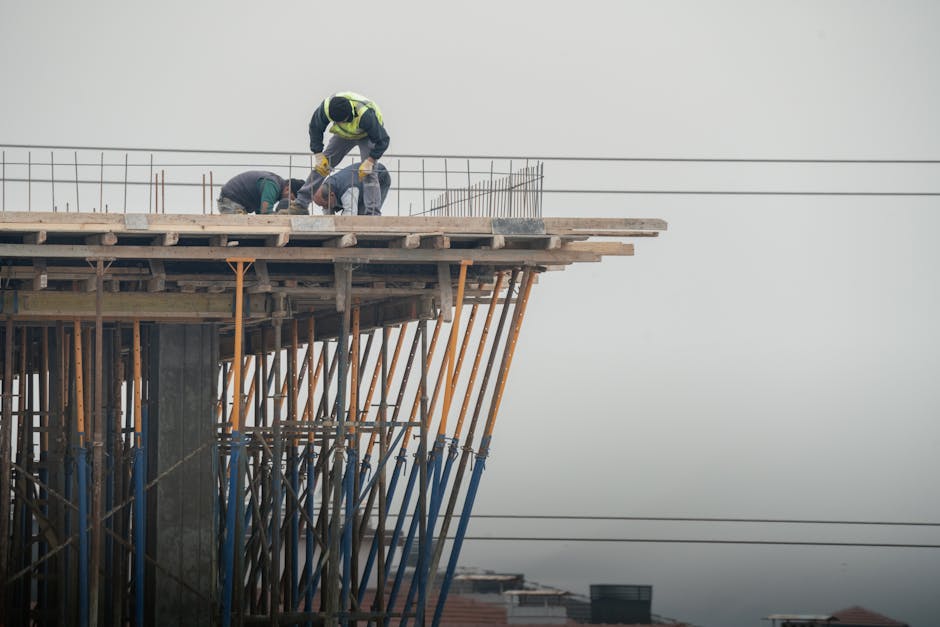
Charting the Next Phase of Risk Management
The future