No products in the cart.

Inertia moves to commercialize one of the and the New Career Landscape
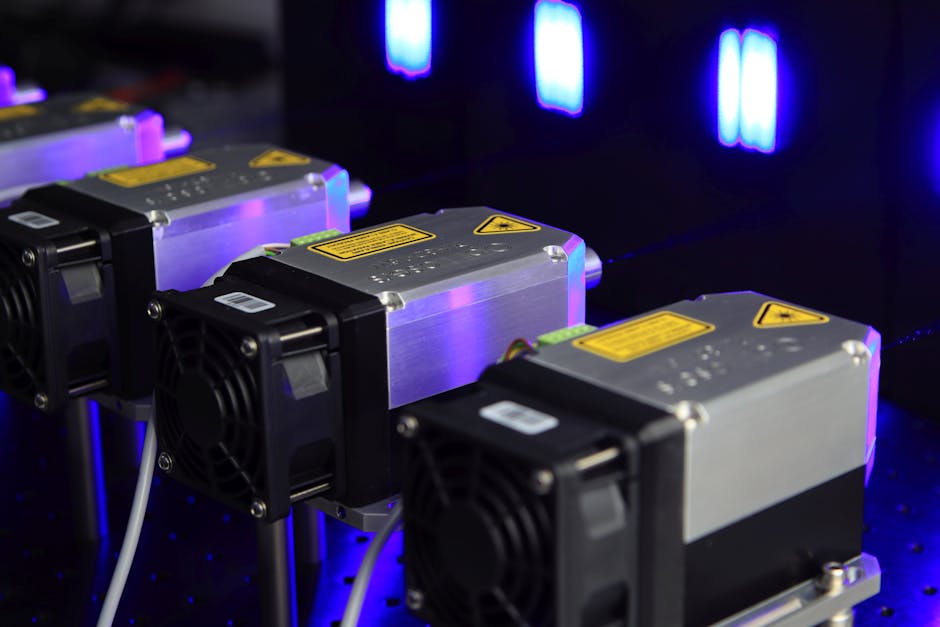
Inertia Enterprises is making significant strides in the energy sector by signing three key agreements with the Lawrence Livermore National Laboratory (LLNL) to develop a groundbreaking laser-based fusion reactor. This collaboration positions Inertia to potentially lead in the competitive fusion energy market.

Inertia Enterprises is making significant strides in the energy sector by signing three key agreements with the Lawrence Livermore National Laboratory (LLNL) to develop a groundbreaking laser-based fusion reactor. This collaboration positions Inertia to potentially lead in the competitive fusion energy market.
Strategic Partnerships and Funding
Fusion energy has long been seen as a dream for clean, limitless power. The National Ignition Facility (NIF) at LLNL has demonstrated that controlled fusion reactions can yield more energy than they consume. Inertia’s recent funding of $450 million through a Series A round positions it among the best-capitalized startups in this field, as noted by TechCrunch. The company is now poised to leverage this financial backing to accelerate its development of fusion technology.
The agreements with LLNL include two strategic partnership projects and a cooperative research and development initiative. These projects will focus on advancing laser technology and improving fuel targets for better performance. Inertia is also set to license nearly 200 patents from LLNL, significantly enhancing its technological capabilities in the fusion arena.
Understanding Fusion Technology
Fusion power represents a revolutionary shift in energy production. Unlike nuclear fission, which splits heavy atoms, fusion combines light atoms, such as hydrogen isotopes, to release energy. This process occurs naturally in stars, including our sun. The potential for fusion energy lies in its ability to generate vast amounts of power without the harmful byproducts associated with fossil fuels or fission-based nuclear energy.
Inertia’s focus on inertial confinement fusion (ICF) is noteworthy. This method compresses fuel pellets using intense laser beams to achieve the conditions necessary for fusion. At NIF, 192 laser beams converge on a small gold cylinder, creating the extreme conditions needed for fusion reactions. This innovative approach has garnered attention, as it promises a cleaner and safer energy alternative.
At NIF, 192 laser beams converge on a small gold cylinder, creating the extreme conditions needed for fusion reactions.
However, achieving commercial viability remains a challenge. The technology must be refined to ensure that each fusion reaction produces sufficient energy to be profitable. Inertia aims to tackle this issue by developing more efficient laser systems and optimizing fuel targets. The hope is that advancements in laser technology will reduce the energy needed to ignite fusion reactions, making it feasible for large-scale power generation.
You may also like
 Business Innovation
Microbiome‑Driven Start‑ups Reshape Wellness, Capital Flows and Institutional Power
By turning microbial ecosystems into data assets, the microbiome sector is redefining capital flows, career pathways, and regulatory power structures within the wellness economy.
Read More →Implications for the Energy Sector
As Inertia and LLNL collaborate on these advancements, the implications for the energy sector are profound. If successful, they could lead to a new era of energy production that significantly reduces reliance on fossil fuels and lowers greenhouse gas emissions. According to Bloomberg, the urgency of addressing climate change has heightened interest in fusion energy, making Inertia’s work crucial in aligning with global efforts to transition to a low-carbon economy.
Additionally, the fusion power sector could create new job opportunities and stimulate innovation across related industries. As companies like Inertia push the boundaries of technology, they may inspire a new generation of engineers and scientists to pursue careers in energy research and development.
Challenges and Competitive Landscape
Despite the promising developments, the road to commercial fusion power is fraught with challenges. The technical complexities of achieving sustained fusion reactions are significant. Inertia must navigate these hurdles while also managing investor expectations and market dynamics.
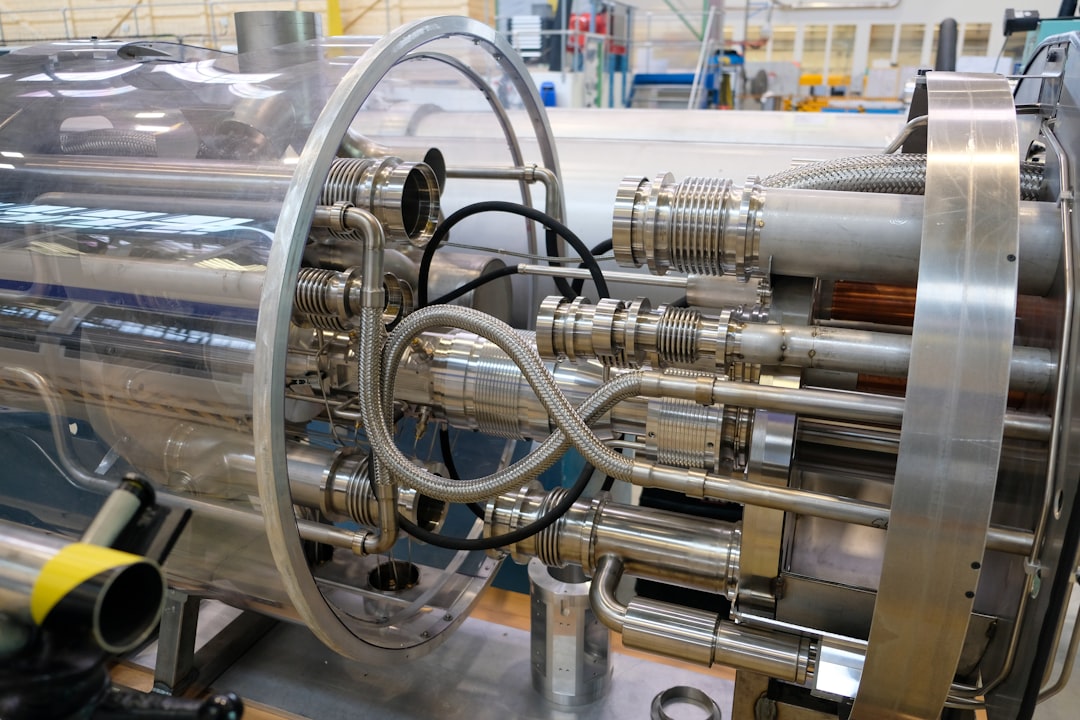
Moreover, competition in the fusion energy sector is intensifying. Other startups, such as Xcimer and First Light, are also vying for a share of the market. This competition could drive innovation but may also lead to market saturation if multiple players pursue similar technological paths.
As companies like Inertia push the boundaries of technology, they may inspire a new generation of engineers and scientists to pursue careers in energy research and development.
Furthermore, regulatory and policy frameworks will play a crucial role in shaping the future of fusion energy. As governments worldwide seek to promote clean energy solutions, Inertia will need to engage with policymakers to ensure that supportive regulations are in place. The recent discussions at the International Monetary Fund about AI risks and energy policy indicate that regulatory landscapes are evolving rapidly.
Inertia’s partnerships with LLNL and other entities may provide a strategic advantage in navigating these complexities. By aligning with established research institutions, Inertia can leverage expertise and resources that may be critical for overcoming obstacles.
Future Prospects
You may also like
 Artificial Intelligence
India and the New Career Landscape
India's manufacturing giants are undergoing a significant transformation. They are increasingly adopting agentic AI to enhance operational efficiencies. This shift marks a departure from traditional…
Read More →As the fusion energy landscape evolves, the potential for breakthroughs remains high. The collaboration between Inertia and LLNL marks a significant step forward, but the journey is just beginning. Will Inertia succeed in commercializing fusion power, and how will this impact the broader energy landscape? The answers to these questions could shape the future of energy for generations to come.
Sources: Bloomberg, BBC.