


The convergence of AI analytics, consumer demand for precision health, and venture capital appetite is institutionalising microbiome entrepreneurship.
Beyond supplements, the sector is redefining career pathways, reallocating economic mobility and prompting legacy food and pharma firms to restructure governance.
Opening: A structural shift in Personalized Wellness
The global wellness market, now exceeding $5 trillion, is entering a “precision” phase driven by data‑rich health diagnostics and consumer agency [1]. Within this macro‑trend, the gut microbiome has transitioned from a research curiosity to a commercial axis: the combined market for microbiome testing, therapeutics and functional foods is projected to reach $27 billion by 2030, up from $7 billion in 2022 [2]. This expansion is underpinned by three systemic forces. First, next‑generation sequencing costs have fallen below $50 per sample, democratizing access to microbial profiling for consumers and clinicians alike. Second, AI‑enabled metagenomic analytics translate raw taxonomic data into actionable nutrition recommendations at scale, compressing the research‑to‑product pipeline from years to months. Third, a health‑literate consumer base—spurred by pandemic‑era digital health adoption—is demanding evidence‑based, individualized solutions rather than one‑size‑fits‑all supplements.
These dynamics are not isolated market signals; they reflect a structural reallocation of institutional power. Traditional food conglomerates, once insulated by commodity supply chains, now confront a fragmented ecosystem of venture‑backed start‑ups that wield proprietary data assets and direct‑to‑consumer distribution channels. Simultaneously, regulatory bodies such as the FDA are revising “food for special dietary use” frameworks to accommodate microbiome‑derived claims, thereby redefining the legal architecture that governs health product innovation. The result is a new institutional order where data, capital, and scientific credibility become the primary levers of influence.
Core Mechanism: Translating a Complex Ecosystem into Commercial Value
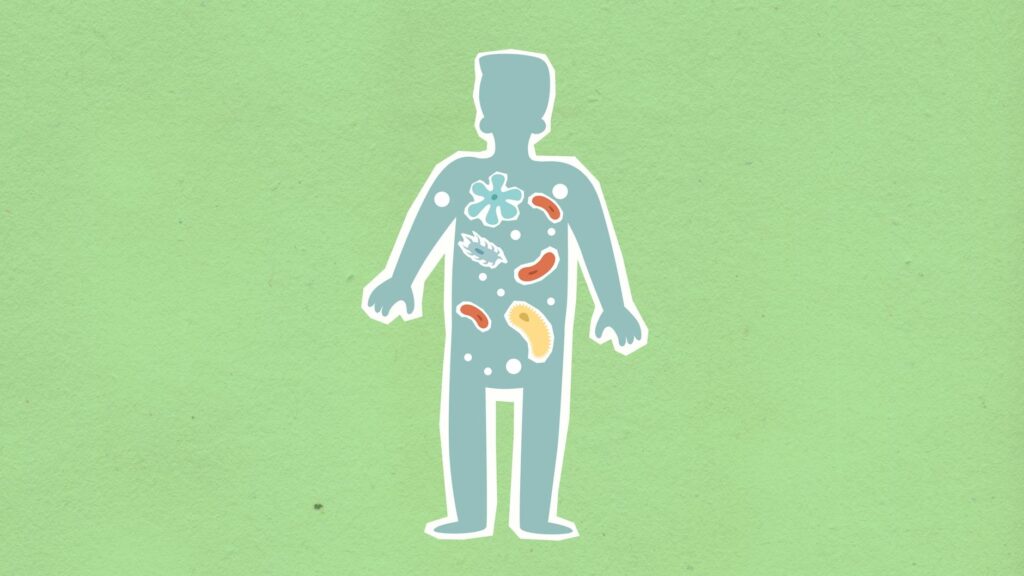
At its core, microbiome entrepreneurship operationalises the ecological principle that host health is a function of microbial diversity, functional capacity and resilience. Dysbiosis—an imbalance in microbial composition—has been linked to metabolic syndrome, inflammatory bowel disease, and neuropsychiatric conditions in over 200 peer‑reviewed studies since 2018 [3]. Start‑ups are converting these findings into scalable products through three interlocking mechanisms.
- Diagnostic Platforms – Companies such as Viome and DayTwo collect stool samples, sequence 16S rRNA and shotgun metagenomes, and apply machine‑learning models to predict glycemic response, fiber tolerance, and micronutrient absorption. In 2024, the combined revenue of microbiome diagnostics surpassed $1.2 billion, with a 48 % year‑over‑year growth rate, indicating rapid market validation [2].
- Targeted Biotics – The next generation of probiotics, prebiotics and synbiotics is moving beyond strain‑level identification to functional gene clusters. Seed’s “prebiotic‑synbiotic” platform, for instance, leverages metatranscriptomic data to formulate blends that up‑regulate short‑chain fatty acid pathways implicated in insulin sensitivity. Clinical trials funded by the National Institutes of Health (NIH) have shown a 22 % reduction in HbA1c among participants using such targeted formulations versus placebo [4].
- AI‑Powered Personalisation Engines – By integrating microbiome profiles with wearable data (heart rate variability, glucose monitors) and lifestyle inputs, AI engines generate dynamic nutrition plans that adapt in real time. This closed‑loop system mirrors the pharmacogenomics model that reshaped oncology in the early 2010s, where genomic biomarkers guided drug selection and dosage. The parallel is evident: both sectors rely on high‑dimensional biological data to stratify consumers into therapeutic sub‑populations, thereby unlocking premium pricing and insurance reimbursement pathways.
These mechanisms are anchored by a data‑centric business model. Proprietary microbiome datasets, once the exclusive domain of academic consortia, now constitute a core asset on balance sheets, attracting institutional investors seeking “data‑as‑a‑service” returns. In 2025, venture capital allocated $3.4 billion to microbiome‑focused funds, a 71 % increase from the previous year, with a median round size of $45 million—significantly higher than the biotech average of $28 million [5].
Diagnostic Platforms – Companies such as Viome and DayTwo collect stool samples, sequence 16S rRNA and shotgun metagenomes, and apply machine‑learning models to predict glycemic response, fiber tolerance, and micronutrient absorption.
Systemic Implications: Ripple Effects Across the Wellness Value Chain
The proliferation of microbiome start‑ups generates asymmetric pressures on adjacent sectors, reshaping supply chains, regulatory regimes and sustainability standards.
 Career Guidance
How to Judge Interview Take-Home Tasks Before You Start
A take-home can be one stage in a longer interview process. Check what it asks you to build, how much time it allows and how…
Read More →Supply‑Chain Realignment – Food manufacturers are reformulating products to embed live cultures that survive processing and shelf life. The “probiotic‑infused” segment now accounts for 15 % of the functional beverage market, compelling legacy players like Danone and PepsiCo to acquire niche biotech firms (e.g., Danone’s 2023 acquisition of French synbiotic start‑up, NutriBiome) to secure proprietary strain libraries. This consolidation mirrors the early‑2000s “nutraceutical” wave, where large pharma absorbed boutique firms to gain market access and R&D pipelines.
Regulatory Evolution – The FDA’s 2024 “Microbiome Health Claim Guidance” introduces a tiered evidentiary framework that differentiates “structure‑function” from “clinical outcome” claims. Companies that can substantiate causality through randomized controlled trials (RCTs) gain a competitive moat, while those relying on observational data face heightened scrutiny. This shift reallocates institutional power toward entities capable of financing large‑scale RCTs, often through public‑private partnerships with NIH or the European Medicines Agency (EMA).
Sustainability Integration – Microbiome‑friendly agricultural practices—such as soil inoculation with mycorrhizal fungi and reduced synthetic fertilizer use—are emerging as a cost‑effective pathway to enhance crop nutrient density, which in turn improves the efficacy of downstream biotic products. The United Nations Food and Agriculture Organization (FAO) cites a potential 12 % increase in global protein yield through microbiome‑enhanced soils, aligning health innovation with climate mitigation goals [6].
Labor Market Reconfiguration – The demand for “microbiome data scientists,” “clinical microbiome translators,” and “regulatory microbiome strategists” has risen 84 % year‑over‑year since 2022, according to LinkedIn’s emerging jobs report. Universities are responding by launching interdisciplinary MSc programmes that blend microbial ecology, AI, and health economics, thereby institutionalising a new career pipeline that bypasses traditional pharmacy or nutrition tracks.
Collectively, these ripples constitute a systemic re‑orientation of the wellness ecosystem, where data ownership, regulatory navigation, and sustainable sourcing become the new axes of competitive advantage.
For professionals with a background in molecular biology or bioinformatics, the barrier to entry into high‑growth start‑ups is markedly lower than in traditional pharma, where drug development timelines exceed 10 years.
Human Capital Impact: Career Capital and Economic Mobility
 AI & Technology
HR‑Driven Salary Negotiation Frameworks Redefine Talent Value
A 2026 study finds workers who never negotiate sacrifice up to $1 million in lifetime earnings, prompting firms to formalise seven robust frameworks.
Read More →The microbiome sector is generating a distinctive form of career capital that blends scientific credibility with entrepreneurial agility. For professionals with a background in molecular biology or bioinformatics, the barrier to entry into high‑growth start‑ups is markedly lower than in traditional pharma, where drug development timelines exceed 10 years. A 2025 survey of 1,200 biotech employees found that 38 % of microbiome start‑up hires reported a median salary increase of 28 % compared with their prior positions, alongside equity stakes that historically yielded 5‑10× returns upon exit [5].
Economic mobility is also being reshaped. Venture‑backed incubators in emerging markets—particularly in Brazil’s São Paulo biotech corridor and Kenya’s Nairobi “HealthTech” hub—are leveraging low‑cost sequencing platforms to create locally relevant microbiome solutions (e.g., fermented cassava products that address regional dysbiosis patterns). These ventures attract impact‑focused capital, with the International Finance Corporation (IFC) allocating $150 million to “Microbiome for Food Security” projects in 2024, thereby channeling wealth creation to under‑served populations.
Leadership dynamics are evolving as well. Founders with dual expertise in data science and nutrition are emerging as “science‑entrepreneur” archetypes, commanding board seats in both private equity‑backed conglomerates and public health agencies. This convergence of technical and governance capital is reconfiguring institutional power: boardrooms that once prioritized financial metrics now integrate microbiome data dashboards to inform strategic decisions on product pipelines and market positioning.
Moreover, the sector’s reliance on interdisciplinary teams fosters a meritocratic culture where career advancement hinges on demonstrable data‑driven outcomes rather than seniority. In contrast to legacy pharmaceutical hierarchies, where tenure often dictates promotion, microbiome start‑ups employ performance‑based equity vesting tied to measurable health impact metrics (e.g., reduction in participant inflammatory markers). This structural incentive aligns personal career growth with societal health outcomes, amplifying the sector’s systemic relevance.
Outlook: Institutional Trajectory Through 2030
Over the next three to five years, three convergent trends will solidify microbiome entrepreneurship as a structural pillar of the wellness economy.
This structural incentive aligns personal career growth with societal health outcomes, amplifying the sector’s systemic relevance.
- Integration into Reimbursement Models – As insurers adopt value‑based care frameworks, microbiome‑guided nutrition plans that demonstrably lower chronic disease costs will qualify for partial reimbursement. Early pilots by UnitedHealthcare and the UK’s NHS have shown a 12 % reduction in diabetes‑related expenditures among participants receiving microbiome‑personalized diets [7].
- Standardisation of Data Commons – The NIH’s “Human Microbiome Data Repository” initiative, slated for full launch in 2027, will mandate open‑access metadata for all federally funded microbiome studies. This will lower entry barriers for new entrants while reinforcing the data‑centric power of incumbents that have already amassed proprietary datasets.
- Consolidation of Regulatory Pathways – The FDA’s forthcoming “Microbiome Therapeutics” classification will create a unified review process for both dietary supplements and biologics, streamlining time‑to‑market for companies that can navigate the hybrid regulatory landscape. Firms that secure early “Fast Track” designation are projected to achieve a 30 % faster revenue ramp compared with peers operating under fragmented state‑level regulations [8].
These dynamics suggest a trajectory where microbiome‑centric business models become embedded within the broader health‑care delivery system, shifting economic mobility toward data‑savvy professionals and rebalancing institutional power away from legacy manufacturers toward agile, evidence‑driven enterprises.
 Career Guidance
Posts Spread After Call to Identify Jane Doe
More than eleven thousand accounts made almost twenty-five thousand posts purporting to name Jane Doe, according to Gudea’s analysis.
Read More →Key Structural Insights
- The convergence of AI analytics and affordable sequencing has transformed microbiome data into a tradable asset, reallocating capital from traditional pharma to data‑centric start‑ups.
- Institutional power is shifting as regulatory frameworks evolve to recognise microbiome‑based health claims, privileging firms that can fund large‑scale clinical validation.
- Over the next five years, reimbursement and data‑standardisation will embed microbiome entrepreneurship into mainstream healthcare, amplifying career capital for interdisciplinary talent.
Written by Career Ahead AI. AI can make mistakes, so verify key facts. Report errors to support@careeraheadonline.com.





