No products in the cart.

Travel Bans Reshape Global Tourism: A Structural Assessment of Recovery and Labor Capital

Travel bans have reengineered tourism’s supply chain, diverting capital to domestic and digital domains while creating a bifurcated labor market where digital and sustainability skills command a premium.

The pandemic‑induced travel embargoes have rewired the supply‑demand architecture of tourism, diverting capital toward domestic markets and digital interfaces while eroding traditional employment pathways.
Understanding these systemic shifts is essential for policymakers and industry leaders seeking sustainable, inclusive growth over the next decade.
Contextualizing the Shockwave
The COVID‑19 pandemic precipitated an unprecedented contraction in international mobility. The World Tourism Organization (UNWTO) estimates that tourism‑related revenues fell by more than $2 trillion in 2020—a loss that eclipses the combined GDP of several G7 economies [1]. International arrivals plummeted 72 % year‑over‑year, collapsing the sector’s contribution to global GDP from roughly 10 % to 7 % within a single year [2].
Beyond the immediate revenue shortfall, the bans accelerated pre‑existing structural trends: the rise of domestic tourism, heightened emphasis on sustainability, and the rapid diffusion of digital touchpoints across the travel value chain [3]. These dynamics signal a reallocation of career capital and a reconfiguration of institutional power within the tourism ecosystem, setting the stage for a new equilibrium that will define employment trajectories through 2030.
The Core Mechanism: Supply‑Chain Disruption and Digital Realignment

Export Contraction and Service Bottlenecks
Travel bans fragmented the global tourism supply chain, curtailing the flow of ancillary goods—food, beverages, linens, and hospitality services—critical to destination economies. The International Trade Administration quantifies a 30 % decline in tourism‑related exports in 2020, translating into an estimated $150 billion shortfall in ancillary trade revenues [1]. The contraction reverberated through upstream producers (e.g., agricultural exporters) and downstream service providers (e.g., boutique hotels), destabilizing regional economic clusters that had previously relied on predictable international demand.
Digital Acceleration as a Structural Substitute
Simultaneously, the sector’s digital infrastructure expanded at an asymmetric rate. Virtual tours, AI‑driven itinerary planners, and contactless payment platforms saw adoption increases of 45 % to 70 % across major markets, according to the Journal of Travel Research [4]. These technologies functioned as a systemic buffer, preserving a fraction of demand by enabling remote engagement and reducing friction in domestic bookings. Moreover, the data ecosystems underpinning these platforms generated new streams of consumer intelligence, reshaping pricing models and inventory management at the macro level.
Moreover, the data ecosystems underpinning these platforms generated new streams of consumer intelligence, reshaping pricing models and inventory management at the macro level.
Domestic Tourism as a Counter‑Cyclical Engine
You may also like
 Business Insights
Navigating Decision-Making in the AI Era
This article examines how AI is transforming decision-making processes in organizations, moving away from consensus-based models to faster, data-driven approaches.
Read More →With international flows throttled, domestic travel surged. The National Bureau of Economic Research documents a 20 % rise in U.S. domestic tourism expenditures between Q2 2020 and Q4 2021, outpacing pre‑pandemic growth rates by a factor of three [3]. This shift reallocated capital from cross‑border hospitality clusters to regional attractions, state‑run parks, and local culinary enterprises, thereby redefining the geographic distribution of tourism‑related income and the associated labor markets.
Systemic Implications: Ripple Effects Across the Global Economy
GDP, Foreign Exchange, and Institutional Realignment
Tourism’s contribution to global GDP fell from 10 % to 7 %, a contraction that the World Bank associates with a $1.6 trillion loss in foreign exchange earnings for emerging economies heavily dependent on inbound visitors [2]. The fiscal pressure forced many governments to re‑prioritize budget allocations, diverting subsidies from infrastructure projects to social safety nets for displaced tourism workers. This reallocation altered the institutional balance of power, granting greater leverage to ministries of labor and social protection relative to tourism boards.
Consumer Preference Evolution
Post‑ban travelers exhibit a structural shift toward health‑security, sustainability, and experiential authenticity. The Journal of Sustainable Tourism reports that 68 % of surveyed tourists now rate health protocols as a primary booking criterion, while 55 % prioritize destinations with certified carbon‑offset programs [4]. This preference matrix compels operators to embed environmental, social, and governance (ESG) metrics into core service offerings, reshaping capital flows toward green certification bodies and sustainable supply networks.
Aviation and the Push for Efficiency
The aviation sector, a keystone of international tourism, experienced a 60 % reduction in passenger‑kilometers in 2020, prompting airlines to retire approximately 1,200 wide‑body aircraft and accelerate investments in fuel‑efficient narrow‑bodies and hybrid‑electric prototypes [1]. The resulting capacity compression has induced a price elasticity shift, where airlines now command higher yields per seat but face heightened regulatory scrutiny over emissions. This transformation redistributes bargaining power toward aircraft manufacturers that can deliver low‑carbon propulsion technologies, influencing the long‑term structure of the aviation supply chain.
Human Capital and Career Capital Reallocation
Job Losses and the At‑Risk Workforce
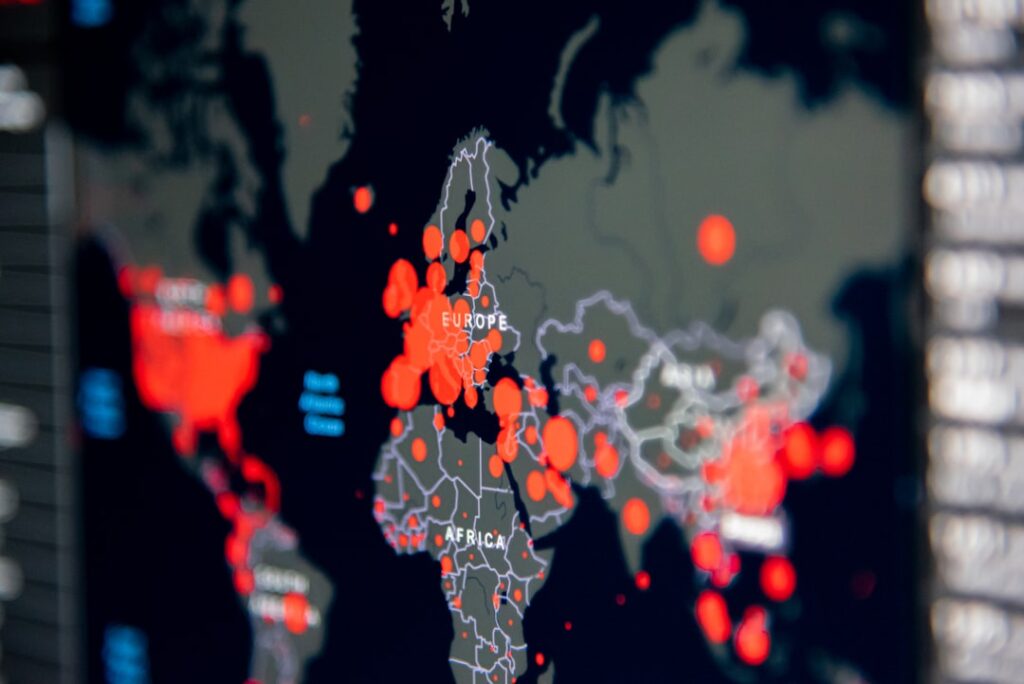
UNWTO estimates that 120 million tourism jobs were jeopardized in 2020, representing 8 % of global employment [2]. The most vulnerable cohorts—seasonal labor, low‑skill service staff, and informal operators—suffered disproportionate income shocks, exacerbating existing economic mobility gaps. The loss of career capital in these segments has long‑term implications for skill depreciation and intergenerational poverty, especially in regions where tourism is the primary employment engine.
Emergent Digital Skillsets
Conversely, the digital pivot created high‑growth niches in data analytics, SEO/SEM, virtual content production, and platform governance. A 2024 industry survey indicated a 38 % increase in demand for tourism‑focused data scientists and a 27 % rise in roles related to immersive media [4]. These positions command premium compensation and career mobility, concentrating new career capital within a technologically adept cohort. The asymmetry between digital and traditional skill pathways amplifies institutional stratification, as firms that can attract and retain tech talent gain a competitive edge in post‑recovery market share.
The loss of career capital in these segments has long‑term implications for skill depreciation and intergenerational poverty, especially in regions where tourism is the primary employment engine.
Reskilling Imperatives and Institutional Responses
You may also like
 Digital Citizenship
Navigating Apple’s Age Verification Changes
Apple's introduction of age verification tools is reshaping app downloads, especially for underage users. This article explores the implications for developers and the tech industry.
Read More →Governments and industry associations have launched reskilling initiatives targeting displaced workers. The European Union’s “Tourism Skills 2030” framework earmarks €4 billion for vocational training in digital hospitality, sustainable operations, and multilingual service delivery [3]. Early evaluations suggest a 15 % placement rate for participants into higher‑wage roles within 12 months, indicating a partial mitigation of labor market dislocation. However, the scalability of such programs remains constrained by budgetary pressures and regional disparities in training infrastructure.
Outlook: Trajectory Over the Next Three to Five Years
Recovery Pathways
By 2027, the International Monetary Fund projects that international arrivals will reach 85 % of pre‑pandemic levels, contingent on the removal of residual travel restrictions and the stabilization of global health metrics [2]. The recovery will be heterogeneous: high‑income economies are likely to rebound faster due to stronger domestic savings and robust digital ecosystems, while low‑income, tourism‑dependent nations may lag, sustaining a structural GDP gap of 1‑2 percentage points.
Institutional Power Shifts
The balance of power within the tourism governance architecture is expected to tilt toward multilateral bodies (e.g., IATA, ICAO) and ESG certification agencies, whose standards will increasingly dictate market access and capital flows. National tourism ministries will need to align policy incentives with sustainability metrics to secure financing from climate‑focused sovereign wealth funds.
Labor Market Realignment
The skill premium for digital and sustainability competencies is projected to outpace overall wage growth by 3‑4 percentage points annually, cementing a dual‑track labor market. Workers who can navigate data‑driven revenue management and green operations will accrue disproportionate career capital, while those remaining in traditional service roles may experience stagnant wages and limited upward mobility.
Structural Risks
Potential asymmetric shocks—such as renewed pandemic waves, geopolitical trade tensions, or abrupt climate‑policy changes—could re‑introduce volatility into the tourism supply chain. The sector’s dependency on a narrow set of digital platforms also raises systemic concentration risk, where platform failures or regulatory clampdowns could disrupt booking flows and revenue streams.
Workers who can navigate data‑driven revenue management and green operations will accrue disproportionate career capital, while those remaining in traditional service roles may experience stagnant wages and limited upward mobility.
In sum, the post‑pandemic tourism landscape is defined by reallocated capital, restructured institutional authority, and a bifurcated labor market. Stakeholders who internalize these systemic dynamics and invest strategically in digital resilience and sustainable practices will shape the sector’s trajectory through 2030.
You may also like
 Global Affairs
Private Credit Drives Europe’s Defense Industry Rebuild
Private credit is stepping up to support Europe's defense industry. This trend could reshape career opportunities in finance and defense sectors.
Read More →Key Structural Insights
[Insight 1]: Travel bans induced a 30 % decline in tourism‑related exports, reshaping global supply chains and reallocating capital toward domestic and digital markets.
[Insight 2]: The sector’s labor market is polarizing; digital and sustainability skillsets command a growing premium, while traditional service roles face stagnant mobility.
- [Insight 3]: Institutional authority is shifting toward multilateral ESG and aviation bodies, making sustainability compliance a prerequisite for capital access and market participation.