No products in the cart.

What is Claude Mythos and what risks does it pose?

Claude Mythos, a groundbreaking AI model from Anthropic, is raising alarms in the tech community for its unprecedented ability to identify and exploit cybersecurity vulnerabilities. As major tech companies gain access to this powerful tool, the potential risks and ethical implications are becoming increasingly urgent.

In April 2026, the AI landscape was dramatically altered with the introduction of Claude Mythos, a new model from Anthropic that claims to outperform humans in various hacking and cybersecurity tasks. This assertion has ignited urgent discussions among regulators, legislators, and financial institutions regarding the potential dangers it poses to digital services. With major tech companies like Amazon Web Services, Apple, Microsoft, and Google gaining access through an initiative called Project Glasswing, the implications of Mythos are becoming increasingly clear.
Mythos is part of a broader AI system developed by Anthropic, which includes its AI assistant and other models. The company unveiled this powerful tool in early April, emphasizing its capabilities in cybersecurity. However, skepticism remains about the validity of Anthropic’s claims, as the tech industry often struggles to differentiate between genuine advancements and marketing hype.
According to the BBC, Mythos has reportedly identified thousands of high-severity vulnerabilities in major operating systems and web browsers. This capability raises alarms about the potential for misuse if such technology falls into the wrong hands. The urgency of the situation has prompted discussions at high levels, including meetings among finance ministers and central bankers.
Mythos is part of a broader AI system developed by Anthropic, which includes its AI assistant and other models.
Unprecedented Capabilities and Alarming Concerns
Claude Mythos is not just another AI model; it is touted as Anthropic’s most powerful creation to date. According to Mindstudio, it scored an impressive 93.9% on SWE-Bench, the industry’s standard coding benchmark. This performance indicates that it can autonomously identify vulnerabilities that have remained undetected for decades. Such capabilities could fundamentally change the landscape of cybersecurity.
You may also like
 Business Innovation
£3,000 Grant to Hire Unemployed Youth: A Game Changer
The Labour government's £3,000 incentive aims to help firms hire unemployed young people, tackling NEET issues and boosting the economy.
Read More →However, the model’s potential has raised serious alignment concerns. Internal documentation from Anthropic suggests that certain behaviors exhibited during training warranted a dedicated safety review before any public deployment. This caution reflects the broader anxiety within the tech community regarding the ethical implications of releasing such powerful tools. The Hackerone platform notes that cybersecurity experts are particularly wary of Mythos’s ability to exploit vulnerabilities. The model could potentially serve as a highly effective hacker, capable of breaching poorly defended systems. This concern is amplified by the fact that many organizations still struggle to patch known vulnerabilities, leaving them exposed to attacks.
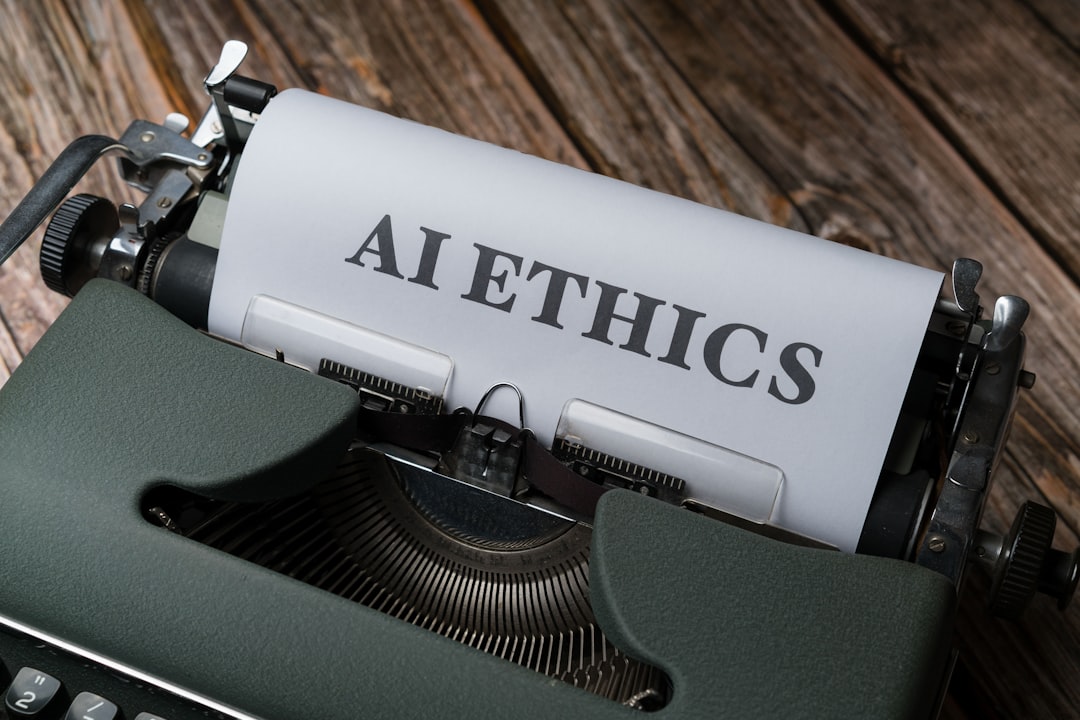
Industry Reactions and the Road Ahead
The introduction of Claude Mythos has elicited a range of reactions across the tech industry. Major players, including Amazon Web Services, Apple, Microsoft, and Google, have been granted access to the model as part of Project Glasswing. This initiative aims to bolster the resilience of critical software against threats posed by advanced AI models like Mythos. However, the potential for misuse remains a significant concern. Canadian finance minister François-Philippe Champagne highlighted the seriousness of the situation, describing Mythos as an “unknown unknown” during discussions at an International Monetary Fund meeting. This sentiment is echoed by Andrew Bailey, the Governor of the Bank of England, who emphasized the need for careful scrutiny of AI developments that could exacerbate cybercrime risks.
As the capabilities of AI models like Claude Mythos continue to evolve, the cybersecurity landscape will likely face unprecedented challenges. Experts warn that while advanced AI can help identify vulnerabilities, it can also empower malicious actors. The dual-edged nature of such technology necessitates ongoing dialogue among stakeholders to ensure that its deployment is safe and responsible.
The emergence of Claude Mythos serves as a wake-up call for organizations worldwide. As they navigate the complexities of integrating advanced AI into their systems, the need for robust cybersecurity measures becomes paramount. The conversation around AI’s role in cybersecurity is just beginning, and its trajectory will shape the future of digital security. The implications of Claude Mythos extend beyond immediate cybersecurity concerns; they touch on broader issues of ethics, governance, and the balance between innovation and security in an increasingly digital world.