No products in the cart.

Can a PhD in Environmental Science Lead to a High-Paying Career in Sustainability Consulting?
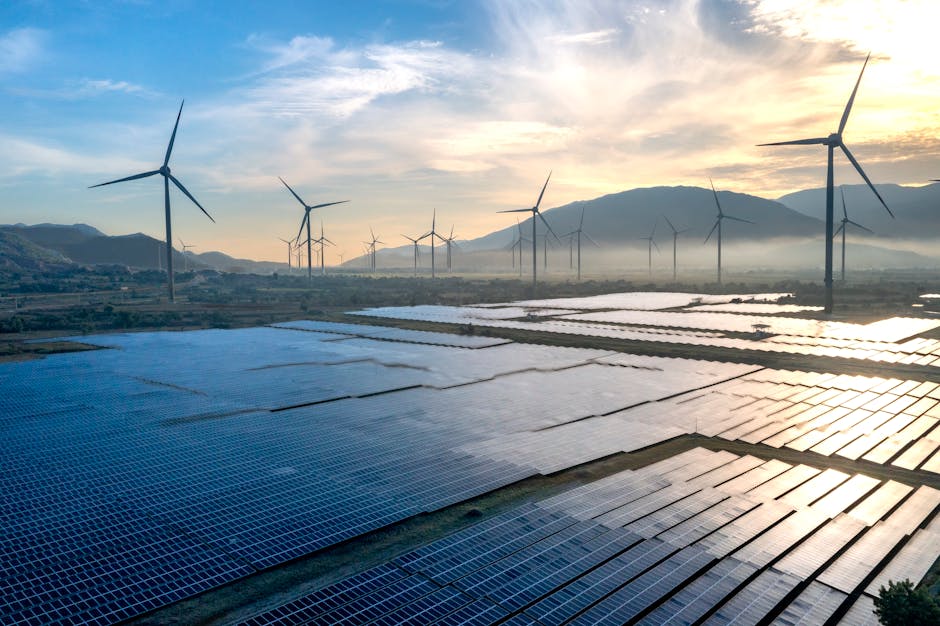
A PhD in Environmental Science can lead to a high-paying career in Sustainability Consulting, but it's not a guaranteed path. Relevant experience, business development skills, and a strong network are equally important. Individuals should focus on developing a strong understanding of the field, including its role ladder, gatekeeping mechanisms, compensation structures, and hidden dynamics.

Can a PhD in Environmental Science Lead to a High-Paying Career in Sustainability Consulting?
A PhD in Environmental Science can be beneficial, but it's not the only factor; relevant experience, a strong network, and business development skills are equally crucial. Research shows that PhD admissions committees value research judgment, including formulating meaningful questions, navigating uncertainty, and learning from imperfect results – skills that are highly transferable to Sustainability Consulting.
When a PhD Leads to a High-Paying Career

The Career Ceiling: When a PhD Isn't Enough

Without relevant experience, business development skills, or a strong network, individuals may struggle to advance beyond lower-level roles.
Action Plan for Success
To increase their chances of success, individuals with a PhD in Environmental Science should focus on developing a deep understanding of the field, gaining relevant experience, and building a strong network. This includes working on complex projects, developing business development skills, and pursuing certifications to demonstrate expertise.Alternative Paths to Sustainability Consulting
For those without a PhD in Environmental Science, alternative paths exist. Individuals with backgrounds in engineering, economics, or policy analysis can transition into Sustainability Consulting by developing relevant skills and experience. The growing demand for sustainability professionals presents opportunities for those willing to invest in their careers. As companies continue to prioritize sustainable development and environmental initiatives, the strategic imperative will be to build a workforce that can drive meaningful change – and that workforce will need leaders who can navigate the intersection of science, business, and policy.You may also like
 Artificial Intelligence
Harnessing AI Skills for Career Growth in 2025
Explore the essential AI skills for career growth in 2025 and how they can shape your professional journey.
Read More →Field Positioning
Who tends to WIN in this field: PhD holders with a strong background in data analysis and modeling, as their ability to quantify environmental impacts and develop predictive models provides a competitive edge in sustainability consulting. Interdisciplinary researchers who can bridge the gap between environmental science and business, as their understanding of both fields enables them to develop effective sustainability strategies that meet business needs. Academics with a proven track record of securing research grants, as their ability to secure funding demonstrates their capacity to identify and capitalize on emerging trends and opportunities in sustainability.
Who tends to STRUGGLE: Recent PhD graduates lacking industry experience, as their limited understanding of business operations and market dynamics hinders their ability to develop practical and effective sustainability solutions. Researchers with a narrow focus on a specific area of environmental science, as their limited scope of knowledge restricts their ability to address the complex, interdisciplinary challenges often encountered in sustainability consulting. Those without a professional network in the industry, as their lack of connections and reputation in the field makes it difficult to secure clients and projects.
Strategic leverage point most people miss: The integration of environmental science with emerging technologies such as artificial intelligence and blockchain, as this convergence enables the development of innovative, data-driven sustainability solutions that can be scaled and replicated across industries, providing a unique value proposition for sustainability consultants.