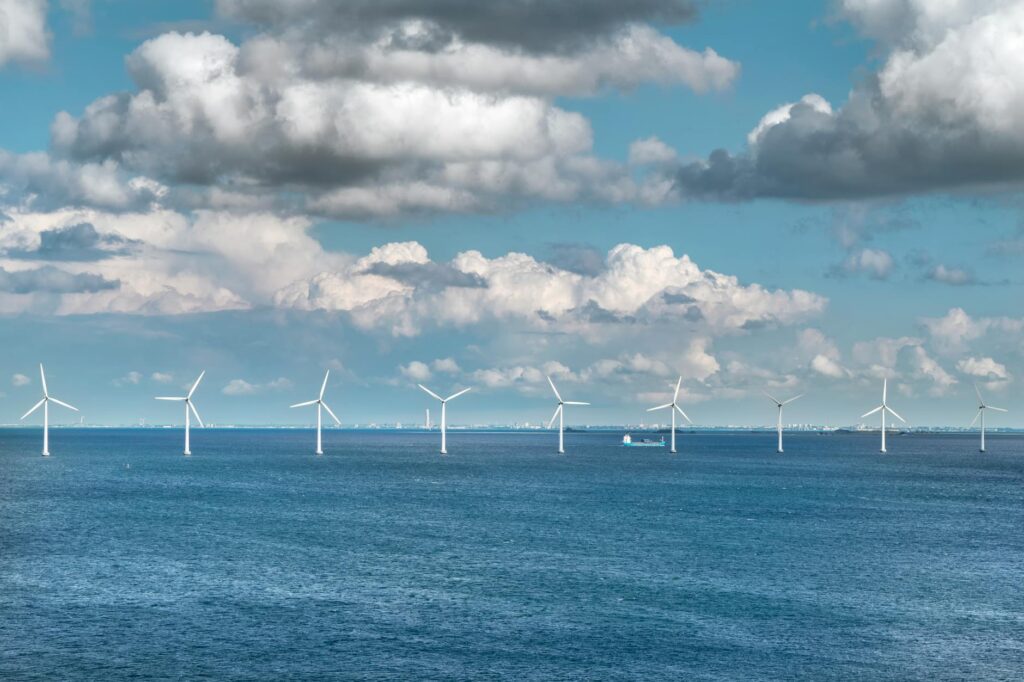
The ocean economy is on track to become a $3 trillion engine of growth by 2030, reshaping labor markets, capital flows, and governance structures.
Understanding how integrated environmental, social, and economic policies translate into career capital is essential for anyone navigating the emerging blue‑future.
Contextualizing the Blue Trajectory
The term “blue economy” has moved from academic discourse to a cornerstone of multilateral development agendas. The United Nations 2022 Blue Growth Report estimates that ocean‑linked activities already support ≈ 350 million jobs worldwide, a figure projected to rise by 30 % if sustainability thresholds are met [1]. Simultaneously, the World Bank’s 2023 “Ocean Economy Outlook” projects the sector’s contribution to global GDP to reach $3 trillion by 2030, driven by fisheries, coastal tourism, and a rapidly expanding offshore renewable‑energy portfolio [2].
These macro‑level trends intersect with three institutional imperatives:
- Economic diversification for coastal states still reliant on extractive fisheries.
- Climate‑risk mitigation through low‑carbon marine energy and blue‑carbon sequestration.
- Social equity that aligns community livelihoods with ecosystem stewardship.
The convergence of these forces signals a structural shift from a resource‑extraction paradigm to a systems‑oriented, value‑creation model anchored in the health of the oceanic commons.
The Integrated Mechanism of Sustainable Ocean Growth
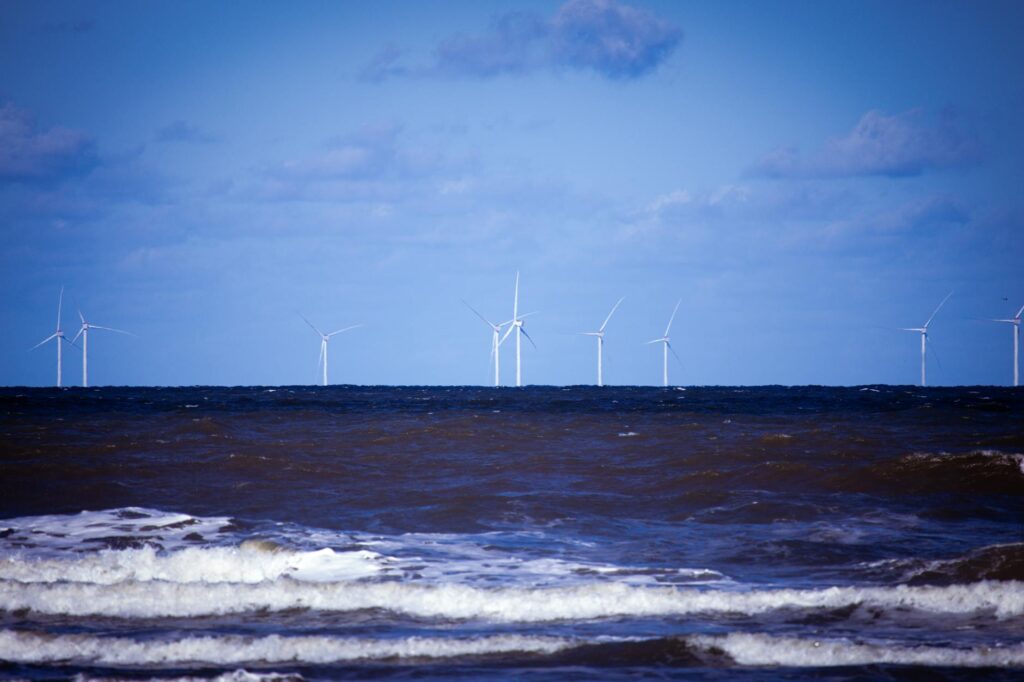
At the core of the emerging blue economy is an integrated governance framework that aligns market incentives with ecological thresholds. This mechanism operates on three interlocking pillars:
1. Cross‑Sectoral Policy Alignment
National blue‑economy strategies now embed the United Nations Sustainable Development Goal 14 (Life Below Water) within fiscal planning, trade policy, and labor legislation. For example, the European Union’s Blue Growth Action Plan (2021‑2027) mandates that 50 % of public maritime R&D funding be allocated to projects with demonstrable carbon‑reduction outcomes [3].
Cross‑Sectoral Policy Alignment National blue‑economy strategies now embed the United Nations Sustainable Development Goal 14 (Life Below Water) within fiscal planning, trade policy, and labor legislation.
2. Market‑Based Sustainability Instruments
Eco‑labeling schemes such as the Marine Stewardship Council (MSC) and Aquaculture Stewardship Council (ASC) have transitioned from niche certifications to mandatory procurement criteria for major retailers. Between 2018 and 2022, MSC‑certified catch volumes grew from 1.3 million to 2.7 million metric tons, reflecting a 108 % increase in market‑driven sustainability compliance [4].
3. Technological Enablement
 Government & Policy
Next-Gen GST and India’s next phase of growth
The introduction of Next-Gen GST marks a significant shift in India's tax landscape, aiming to streamline compliance and enhance operational efficiency for businesses. Under Finance…
Read More →Advances in remote sensing, autonomous vessels, and bio‑engineered marine materials reduce the externalities of ocean exploitation. The deployment of floating offshore wind (FOW) platforms—now accounting for 15 % of global offshore wind capacity—illustrates how technology can unlock previously inaccessible maritime zones while delivering low‑carbon electricity [5].
Together, these pillars create a feedback loop: policy incentives lower entry barriers for clean‑tech firms; market standards raise the cost of unsustainable practices; and technology expands the viable economic envelope of ocean activities. The loop reconfigures capital allocation from short‑term extraction to long‑term stewardship.
Systemic Ripples Across the Economy
The integrated mechanism produces asymmetric ripple effects that reshape institutional structures beyond the maritime sector.
Labor Market Realignment
A 2022 OECD analysis links the rise of marine spatial planning (MSP) to a 12 % increase in demand for multidisciplinary professionals—marine ecologists, GIS analysts, and regulatory economists—within five years of MSP adoption [6]. This shift reflects a broader trend: skill convergence where traditional engineering roles now require climate‑risk analytics, and vice versa.
Capital Flow Reorientation
Sustainable‑finance indices now allocate ≈ $45 billion to “blue‑impact” bonds, a figure that grew tenfold between 2015 and 2022 [7]. Institutional investors, guided by the Task Force on Climate‑Related Financial Disclosures (TCFD), are increasingly treating ocean‑related carbon‑sequestration projects—such as mangrove restoration—as core‑portfolio assets rather than niche ESG add‑ons.
Capital Flow Reorientation Sustainable‑finance indices now allocate ≈ $45 billion to “blue‑impact” bonds, a figure that grew tenfold between 2015 and 2022 [7].
Supply‑Chain Reconfiguration
The push for low‑impact seafood has spurred the emergence of vertical‑integration models that trace products from hatchery to plate. Companies like AquaBounty have integrated CRISPR‑edited salmon into certified supply chains, thereby reducing feed conversion ratios by 30 % and lowering associated greenhouse‑gas emissions [8]. Such models force upstream suppliers to adopt traceability technologies, reshaping the entire value chain.
Socio‑Political Rebalancing
Coastal communities in the Pacific Islands have leveraged blue‑carbon credits to negotiate sovereign‑level climate finance, translating ecosystem services into sovereign debt relief. The Mekong River Commission’s 2024 pilot on community‑managed fishery zones demonstrates how decentralized governance can improve compliance rates from 45 % to 78 % within two years [9]. These cases illustrate a systemic reallocation of decision‑making power from centralized ministries to localized, ecosystem‑based institutions.
 Government & Policy
Britain Sells Five-Year Debt at a 5.036% Yield
Gilt yields have risen across advanced economies, while dealers put the rise in Britain’s gross financing requirement for 2027/28 at £27 billion.
Read More →Human Capital Implications: Winners, Losers, and Transitional Pathways
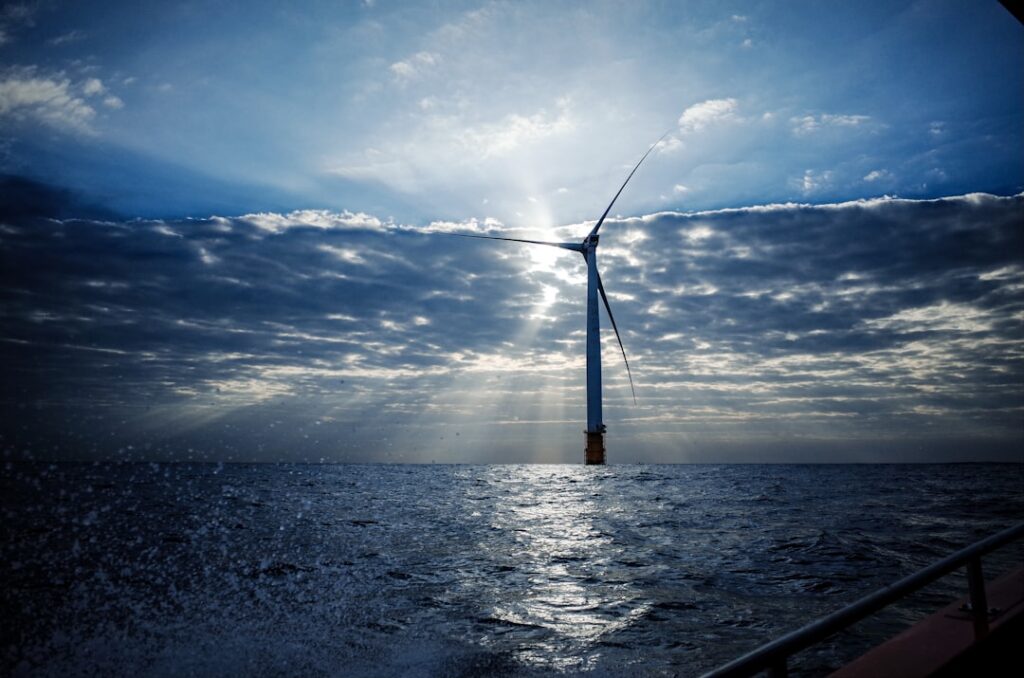
The structural realignment of the ocean economy translates directly into career capital—the portfolio of skills, networks, and institutional legitimacy that determines an individual’s upward mobility.
Emerging High‑Growth Occupations
| Occupation | Projected 2028 Demand Growth | Core Skill Set | Representative Institution |
|————|—————————–|—————-|—————————-|
| Marine Spatial Planner | +28 % | GIS, policy analysis, stakeholder engagement | UNEP‑MAB |
| Blue‑Carbon Analyst | +34 % | Carbon accounting, ecosystem modeling | World Bank Climate Finance |
| Offshore Wind Operations Engineer | +22 % | Marine engineering, safety compliance | Ørsted, Siemens Gamesa |
| Sustainable Aquaculture Manager | +19 % | Bio‑security, supply‑chain traceability | FAO, Aquaculture Stewardship Council |
| Ocean Data Scientist | +31 % | Machine learning, oceanography, big‑data analytics | NOAA, IBM Research |
These roles require interdisciplinary fluency, blending technical expertise with regulatory literacy. Institutions are responding by embedding ocean sustainability modules into engineering curricula (e.g., MIT’s “Ocean Systems” program, launched 2023) and by co‑creating apprenticeship pipelines with industry consortia such as the Global Ocean Alliance [10].
Displaced Segments
Conversely, sectors that fail to internalize sustainability costs—traditional bottom‑trawl fisheries, non‑compliant shipbreaking yards, and unregulated coastal tourism—face structural erosion. The International Labour Organization estimates that ≈ 2.1 million workers in these segments could experience net job loss without targeted reskilling initiatives [11].
Transitional Pathways Successful transition hinges on institutionally backed upskilling.
Transitional Pathways
Successful transition hinges on institutionally backed upskilling. The EU’s Horizon Europe “Blue Skills” grant program, allocating €1.2 billion through 2027, funds certificate programs that certify competencies in marine renewable energy and marine protected‑area management. Early‑career professionals who acquire such credentials have observed salary premiums of 15‑20 % relative to peers without certification [12].
Outlook: 2027‑2032 – Institutional Trajectories
Looking ahead, three convergent forces will define the next five years of ocean‑based career landscapes:
- Scaling of Offshore Renewable Energy – By 2032, cumulative offshore wind capacity is projected to exceed 250 GW, with FOW contributing half of that growth. This will generate ≈ 500,000 direct jobs and catalyze a secondary market for marine logistics, grid integration, and de‑commissioning services.
- Maturation of Blue‑Carbon Markets – The International Maritime Organization’s 2025 amendment to the Carbon Offsetting and Reduction Scheme for International Aviation (CORSIA) now recognizes marine mangrove and seagrass credits, unlocking an estimated $12 billion in market volume by 2030. Career pathways in carbon verification, ecosystem monitoring, and climate‑policy negotiation will expand accordingly.
- Institutionalization of Marine Spatial Planning – The 2024 UN‑ESCAP “Blue Governance Framework” mandates that all coastal states adopt MSP by 2028. Implementation will require national‑level hiring spikes for planners, legal advisors, and community liaison officers, creating a global demand of 150,000 new positions.
 Government & Policy
Chinese Brands Drop Mbappé After Mao Joke Backlash
Mengniu and Dongpeng condemned words that hurt Chinese sentiment, while CCTV suspended La Liga matches, according to The Paper.
Read More →These trajectories suggest a structural reallocation of talent toward roles that blend environmental stewardship with economic productivity. Individuals who can navigate the intersection of policy, technology, and market mechanisms will capture the greatest career capital, while those anchored in legacy extraction models will need to pivot or risk marginalization.
Key Structural Insights
[Integration Imperative]: Sustainable ocean growth hinges on aligning policy, market, and technology into a feedback loop that redefines capital allocation.
[Systemic Ripple Effect]: Institutional shifts in marine governance generate asymmetric labor‑market and financial‑flow transformations across the broader economy.
- [Human Capital Realignment]: The next wave of high‑growth ocean careers demands interdisciplinary fluency, and institutional upskilling programs will be the primary conduit for equitable mobility.
Written by Career Ahead AI. AI can make mistakes, so verify key facts. Report errors to support@careeraheadonline.com.