According to The Verge, memory manufacturers are expected to meet only 60% of the demand by the end of 2027. The RAM shortage can be traced back to several interrelated factors. Moreover, the ongoing geopolitical tensions and supply chain disruptions have further complicated the situation.
The global shortage of Random Access Memory (RAM) is a pressing issue that could last for several years. As technology continues to advance, the demand for RAM has surged, driven by the rise of artificial intelligence (AI) and data-intensive applications. This shortage is not just a temporary blip; it is a complex crisis that will have lasting implications for consumers and the tech industry.
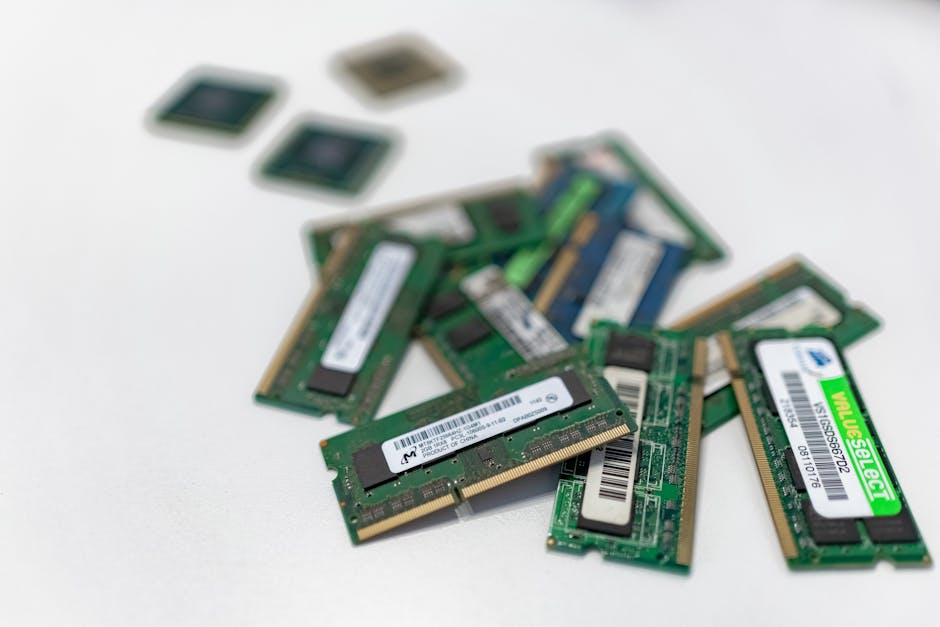
According to The Verge, memory manufacturers are expected to meet only 60% of the demand by the end of 2027. This shortfall is significant, considering the increasing reliance on RAM in devices ranging from smartphones to high-performance computers. As manufacturers struggle to keep up, prices for consumer electronics are likely to remain elevated, impacting everyday users and businesses alike.
Understanding the Causes of the RAM Shortage
The RAM shortage can be traced back to several interrelated factors. First, the explosive growth of AI technologies has created an unprecedented demand for high-bandwidth memory (HBM) used in data centers. This shift has prompted manufacturers to prioritize HBM production over general-purpose DRAM, which is essential for consumer devices. According to Wccftech, this phenomenon is part of a broader trend known as the “DRAM supercycle,” where demand for DRAM has outstripped supply. The AI boom, particularly in late 2025, ignited this crisis, as companies like NVIDIA and AMD ramped up production to meet the needs of their AI-driven products. As a result, PC manufacturers are now struggling to keep up with consumer RAM requirements.
Moreover, the ongoing geopolitical tensions and supply chain disruptions have further complicated the situation. Manufacturers are facing challenges in sourcing raw materials and components, which delays production timelines. The chairman of South Korea’s SK Group has warned that shortages could persist until 2030, highlighting the severity of the crisis. This sentiment is echoed by Newsbytesapp, which suggests that the ramifications of this shortage will be felt across various sectors for years to come.
First, the explosive growth of AI technologies has created an unprecedented demand for high-bandwidth memory (HBM) used in data centers.
As manufacturers work to expand their production capacities, the reality is that most new fabrication plants will not be operational until at least 2027 or 2028. This lag in capacity expansion means that the supply-demand imbalance will likely continue for several more years, exacerbating the crisis.
Impact on the Tech Industry and Consumers
The implications of the RAM shortage extend beyond just higher prices for consumers. Businesses that rely on technology are also feeling the pinch. Companies are facing increased costs for hardware upgrades, which can slow down innovation and hinder competitiveness. As prices rise, many consumers may delay purchasing new devices, further impacting sales in the tech sector. According to Newsbytesapp, the RAM shortage has already resulted in price hikes across a range of devices. This trend is evident in smartphones, laptops, and gaming consoles, where consumers are paying more for less availability. The situation is particularly dire for gamers, who are experiencing significant delays and price increases for new hardware.
Additionally, the focus on HBM production means that general-purpose DRAM, which is crucial for everyday computing tasks, is being deprioritized. This shift could lead to a situation where consumers are unable to find affordable options for basic computing needs, further widening the gap between high-end and entry-level devices. The Counterpoint Research has indicated that the disparity in RAM availability could lead to a two-tier market, where only those who can afford premium products will have access to the latest technology.
Future Outlook: Innovations Amidst Crisis
As the tech industry grapples with these challenges, companies are exploring alternative solutions. Some are investing in new technologies that could reduce reliance on traditional RAM, while others are looking to diversify their supply chains to mitigate risks. However, these strategies will take time to implement and may not provide immediate relief to consumers.
Embedding paid mental‑wellness leaves transforms mental‑health risk into a quantifiable productivity factor, altering power dynamics and redefining career capital across industries.
Looking ahead, the RAM shortage presents both challenges and opportunities. On one hand, the prolonged shortage could lead to sustained high prices and limited availability of consumer electronics. On the other hand, it may also drive innovation in memory technologies and manufacturing processes. As manufacturers ramp up production and explore new technologies, there is potential for breakthroughs that could reshape the RAM landscape.
For instance, advancements in memory architecture and materials could lead to more efficient and cost-effective solutions. The Nikkei Asia reports that companies are increasingly investing in research and development to create next-generation memory solutions that could alleviate some of the pressures caused by the current shortage. However, these developments will take time and may not alleviate the immediate pressures faced by consumers.
In the interim, consumers and businesses alike must navigate this challenging environment.
In the interim, consumers and businesses alike must navigate this challenging environment. Understanding the factors driving the RAM shortage can help stakeholders make informed decisions about technology investments and purchases. As the situation evolves, staying informed about market trends and developments will be crucial.
In conclusion, the RAM shortage is a complex crisis that will have lasting implications for the tech industry and consumers. As we move forward, it is essential to monitor the situation closely and adapt to the changing landscape. The interplay of technological advancements, market demands, and geopolitical factors will continue to shape the RAM supply chain for years to come.
This article delves into the rise of self-improving AI systems, analyzing their potential benefits and risks while exploring the future of autonomous technology.




AI & Technology
 Career Guidance
 Entrepreneurship & Business