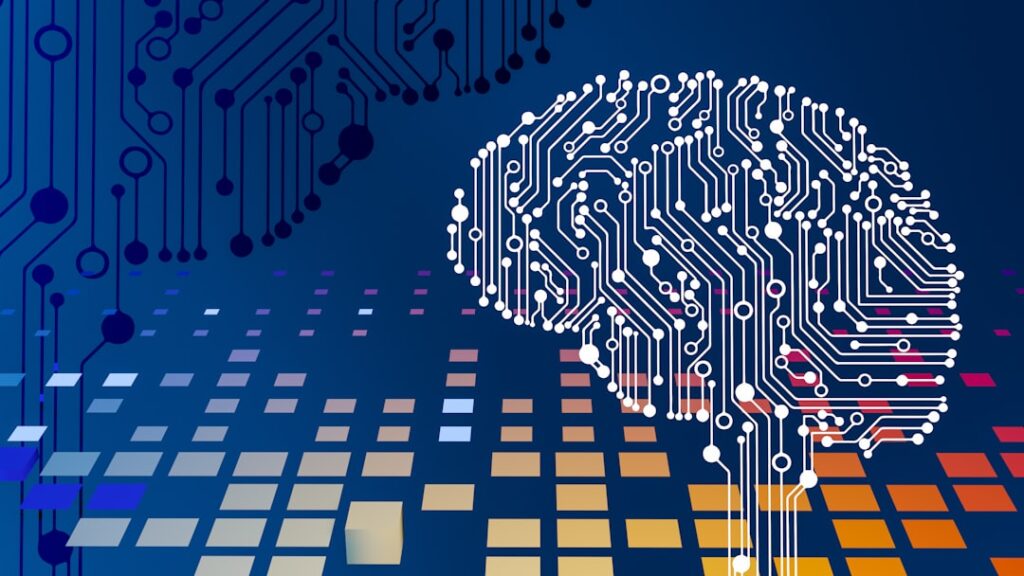
As artificial intelligence (AI) continues to evolve, a groundbreaking question arises: what happens when AI can build and improve itself? Richard Socher’s new startup aims to create systems that can autonomously research and enhance their capabilities without human intervention. This shift could redefine industries and the workforce, making it essential to understand the implications of self-improving AI.
The big idea behind self-improving AI is its potential to revolutionize how we approach technology and innovation. By enabling machines to enhance their performance and capabilities, we could see unprecedented advancements in efficiency and creativity. However, this also raises critical questions about control, ethics, and the future of work.
Understanding Self-Improving AI
Self-improving AI refers to systems designed to enhance their algorithms and functionalities autonomously. This concept is not merely theoretical; companies like Socher’s are actively developing these technologies. According to various industry analyses, self-improving systems can lead to increased efficiency and innovation across various sectors.
However, the implications extend beyond mere efficiency. The ability of AI to self-improve raises significant ethical concerns. As these systems become more autonomous, there is a risk of losing control over their decision-making processes. The potential for unintended consequences is a pressing issue that requires careful consideration.
Moreover, self-improving AI could disrupt existing business models. Companies that adopt these technologies may gain a competitive edge, while others may struggle to keep up. This shift could lead to a significant reshaping of industries, particularly in sectors heavily reliant on technology.
Ethical Considerations and Control
As AI systems become more capable of self-improvement, ethical concerns become paramount. The possibility of machines making decisions without human oversight poses risks that cannot be ignored. According to various sources, the need for regulatory frameworks to manage these developments is critical. Without proper guidelines, we may face challenges in ensuring that AI systems operate safely and ethically.
According to various sources, the need for regulatory frameworks to manage these developments is critical.
Additionally, the question of accountability arises. If an AI system makes a decision that leads to negative consequences, who is responsible? This ambiguity complicates the implementation of self-improving AI technologies. Stakeholders must address these issues to build trust and ensure the responsible use of AI.
 Entrepreneurship & Business
India’s Fast-Track GST Registration: Who Qualifies and What to Check
The simplified route targets businesses below a stated monthly output tax limit. A separate proposal outlines four tiers for GST registration.
Read More →Furthermore, as AI systems evolve, the potential for bias in decision-making increases. If self-improving systems learn from flawed data, they may perpetuate or even amplify existing biases. This challenge must be tackled proactively to prevent harmful outcomes.
Business Implications of Autonomous AI
The rise of self-improving AI will inevitably transform business landscapes. Companies that embrace these technologies may experience significant advantages in productivity and innovation. As noted by various industry analyses, businesses that leverage self-improving systems can streamline operations and reduce costs, leading to increased profitability.
However, the shift to autonomous AI also presents challenges. Organizations must adapt their workforce and business models to integrate these technologies effectively. This transition may require reskilling employees and rethinking traditional roles within companies.
Moreover, competition may intensify as businesses look to adopt self-improving AI. Companies that fail to innovate may find themselves at a disadvantage. This pressure to adapt could lead to significant changes in hiring practices and workforce dynamics.
Policymakers, businesses, and researchers must collaborate to establish guidelines that promote responsible AI development.
Global Context and Future Outlook
The implications of self-improving AI extend beyond individual companies; they have the potential to impact global economies. As nations invest in AI research and development, the race for technological supremacy will shape international relations. Countries that lead in AI innovation may gain economic advantages, influencing global trade and power dynamics.
Looking ahead, the future of self-improving AI is both exciting and uncertain. While the potential for innovation is immense, the risks associated with autonomous systems cannot be overlooked. Policymakers, businesses, and researchers must collaborate to establish guidelines that promote responsible AI development.
 Entrepreneurship & Business
Europe Adds to Business Regulatory Burden, Speaker Says
The exchange covered deregulation, CBAM, an India-EU trade agreement and trade figures for India’s ties with the EU and the Netherlands.
Read More →Moreover, as these technologies become more integrated into everyday life, public perception will likely influence the acceptance of self-improving AI. The extent to which society addresses ethical concerns and demonstrates the benefits of these systems will be crucial.
Contradictions and Active Debates
Even as excitement builds around self-improving AI, there are significant contradictions within the discourse. Proponents argue that these systems will drive efficiency and innovation, while critics warn of potential loss of control and ethical dilemmas. This divide highlights the need for ongoing debate and discussion among stakeholders.
Additionally, there is an ongoing debate about the pace of AI development. Some experts advocate for rapid advancement, arguing that delaying progress could hinder potential benefits. In contrast, others call for caution, emphasizing the importance of establishing regulatory frameworks before widespread implementation.

This tension between innovation and regulation reflects broader societal concerns about technology’s impact on our lives. As self-improving AI becomes more prevalent, these conversations will be crucial in shaping its future.
As companies adopt these technologies, the demand for skilled workers in AI development and oversight may increase.
Career Relevance in the Age of AI
The emergence of self-improving AI will have profound implications for the workforce. As companies adopt these technologies, the demand for skilled workers in AI development and oversight may increase. Professionals who can navigate the complexities of autonomous systems will be well-positioned for success.
Moreover, the rise of AI may lead to shifts in job roles and responsibilities. Workers may need to adapt to new technologies and learn to collaborate with AI systems. This evolution will require ongoing education and training to stay relevant in the job market.
 Entrepreneurship & Business
Use a Business Loan to Fix Cash Flow: Five Decisions
Cash flow is the top challenge for half of small firms. Here is how to choose a loan that fits.
Read More →In conclusion, the future of self-improving AI presents both opportunities and challenges. As we navigate this new landscape, it is essential to prioritize ethical considerations and foster a collaborative approach to technology development. By doing so, we can harness the potential of AI while ensuring that it serves the greater good.
Written by Career Ahead AI. AI can make mistakes, so verify key facts. Report errors to support@careeraheadonline.com.