No products in the cart.

Hackable Robot Lawn Mower Exposes Security Risks
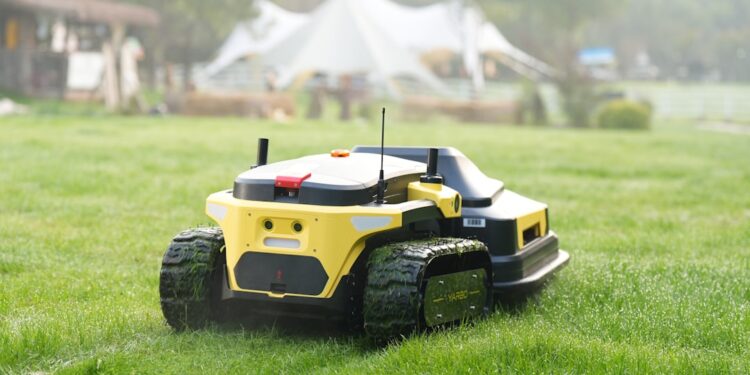
The discovery of a hackable robot lawn mower raises serious security concerns, highlighting vulnerabilities in IoT devices and the need for better security measures.

Emerging Threats in Smart Technology
The rise of smart technology has transformed daily life, from smartphones to smart homes. However, a recent incident involving a hackable robot lawn mower underscores a significant vulnerability in the Internet of Things (IoT). This incident is not merely a technical glitch; it represents a new frontier in cybersecurity risks that consumers and manufacturers must navigate.
Security researchers demonstrated that a commercially available robot lawn mower could be remotely compromised. By exploiting weak Wi-Fi authentication and unencrypted firmware updates, attackers gained full control over the mower’s navigation, motor, and cutting blades. This proof-of-concept reveals how everyday IoT devices, particularly those with moving parts, can be repurposed as physical threats, raising alarms for homeowners and manufacturers alike.
Wider Implications for IoT Security
The incident with the robot lawn mower is emblematic of a larger issue within the IoT landscape. As more devices become interconnected, the potential for cyber attacks increases exponentially. The vulnerabilities in these devices often stem from a lack of robust security measures, leaving consumers exposed to various risks.
Manufacturers frequently prioritize convenience and functionality over security, leading to weak authentication processes and outdated firmware. This negligence makes it easier for hackers to exploit these devices, turning them into tools for malicious activities. The robot lawn mower incident highlights the urgent need for both consumers and manufacturers to reassess their security priorities.
The robot lawn mower incident highlights the urgent need for both consumers and manufacturers to reassess their security priorities.
Regulatory Challenges and Consumer Awareness
The emergence of vulnerabilities in IoT devices like the robot lawn mower raises questions about the need for policy discussions regarding security standards in smart technology. Currently, there is a lack of comprehensive legislation that addresses the security of consumer IoT devices, leaving many users vulnerable.
You may also like
 Career Guidance
UPSC Civil Services Exam 2026 Notification: 933 Vacancies Announced
UPSC has announced 933 vacancies for the Civil Services Exam 2026. Applications open today, and the deadline is February 24, 2026. Discover key details and…
Read More →The absence of regulatory frameworks means that manufacturers face little incentive to prioritize security in their products. Without enforcement mechanisms, companies may continue to release devices that are easy targets for cybercriminals. Policymakers need to collaborate with industry leaders to create guidelines that ensure a baseline level of security for all IoT devices.
Moreover, these policies should focus on educating consumers about the risks associated with smart devices. Awareness of how to secure their devices and understanding the potential threats posed by their use is essential for consumers. This dual approach could foster a safer environment for the proliferation of IoT technology.

Balancing Innovation and Security
Despite the clear risks associated with hackable devices, there remains a debate about the balance between innovation and security. Some argue that stringent regulations could stifle technological advancement, making it difficult for companies to innovate. This perspective suggests that too much regulation may hinder the development of new and exciting technologies.
Conversely, the consequences of ignoring security risks can be dire. As the robot lawn mower incident illustrates, the failure to implement adequate security measures can lead to significant safety hazards. The challenge lies in finding a balance that allows for innovation while ensuring consumer safety and security.
This perspective suggests that too much regulation may hinder the development of new and exciting technologies.

Preparing for a Secure Connected Future
The future of IoT technology presents both opportunities and challenges. As more devices become interconnected, the potential for cyber threats will likely increase. However, this also presents an opportunity for the development of new security technologies and protocols that can enhance the safety of smart devices.
Manufacturers must prioritize security from the design phase of their products. This proactive approach could include implementing stronger encryption methods, regular firmware updates, and user-friendly security features. By embedding security into the core of product development, companies can help mitigate the risks associated with hacking.
You may also like
 AI & Technology
AI‑Powered Burnout Detection Reshapes Institutional Well‑Being Frameworks
Predictive burnout analytics are redefining corporate governance by embedding employee health into performance metrics, reshaping career capital and leadership accountability across institutional structures.
Read More →As public awareness of these issues grows, consumers may demand higher security standards from manufacturers. This shift in consumer expectations could drive companies to adopt better security practices, ultimately leading to a safer IoT ecosystem.