No products in the cart.

Is This the Future of Air Travel?
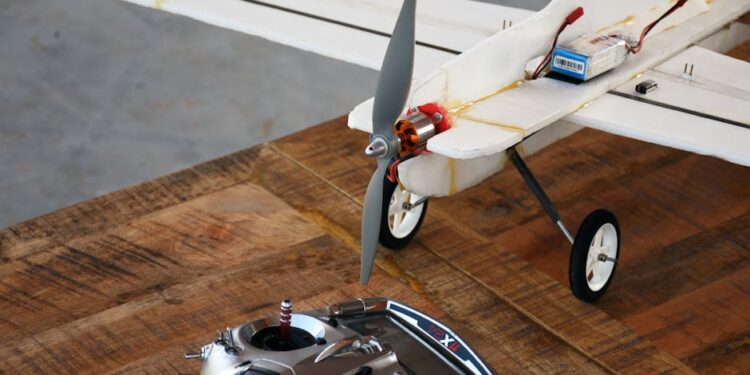
The test flight, conducted by a leading aerospace company, demonstrated the potential for electric aircraft to reduce carbon emissions and operational costs.

New York, US — A groundbreaking test flight of an all-electric aircraft took place on May 31, 2026. This event marks a significant milestone in aviation technology. It showcases the capabilities of electric flight and is set to reshape aviation engineering and design. As the industry moves towards sustainability, engineers must prepare for a new era of aircraft design and regulations.
The test flight demonstrated how electric aircraft have the potential to reduce carbon emissions and operational costs. This shift is not just a technological advancement; it represents a fundamental change in how aviation professionals may work. With a growing emphasis on sustainability, the aviation sector is ready for a transformation that will affect engineering practices.
Changing Aircraft Design Standards
The introduction of electric aircraft requires a reevaluation of existing design standards. Traditional aircraft are built around combustion engines, while electric propulsion systems need different considerations. Engineers must focus on integrating lightweight materials and advanced battery technologies into their designs. Analysts suggest that engineers will need to understand aerodynamics specific to electric flight, which differs from conventional aircraft design.
There is an anticipated increase in demand for engineers skilled in battery technology as electric aircraft depend heavily on battery efficiency and weight reduction. Engineers must learn how to optimize these elements. This shift will require new skills that go beyond traditional aerospace engineering, including knowledge of the latest advancements in materials science and energy storage solutions.
Moreover, the regulatory landscape is changing in response to these technological advances. Regulatory bodies are beginning to set new standards specifically for electric aircraft, which may include safety protocols, performance metrics, and environmental impact assessments. Engineers must stay informed and adapt to these guidelines to ensure compliance and successful project execution. Integrating electric aircraft into existing aviation infrastructure will also require innovative design solutions that enhance safety and operational efficiency.
The future of travel depends on how effectively the aviation industry adapts to these new technologies and the skills needed to implement them.
The implications for engineering education are significant. Institutions may need to update their curricula to include courses on electric propulsion systems and sustainable design practices. This educational shift will prepare the next generation of engineers for the challenges and opportunities presented by electric aircraft. The future of travel depends on how effectively the aviation industry adapts to these new technologies and the skills needed to implement them.
New Regulatory Requirements for Electric Aircraft
You may also like
 Industry & Global Trends
Mergers Reshape Automation Careers at Schneider Electric
Schneider Electric's aggressive investments in automation are reshaping the industry landscape in Europe. This shift is set to create significant job opportunities for automation engineers…
Read More →As electric aircraft take to the skies, regulatory frameworks must adapt. Current aviation regulations mainly focus on conventional aircraft. New policies will be essential to address the unique challenges of electric flight. This regulatory evolution may create a demand for engineers who can navigate these changes effectively.
The Federal Aviation Administration (FAA) and other global regulatory bodies are expected to introduce specific guidelines for electric aircraft operations. These regulations will likely cover aspects such as airworthiness, maintenance standards, and pilot training for electric aircraft. Engineers will play a crucial role in developing systems and protocols that comply with these new regulations.
Additionally, integrating electric aircraft into existing air traffic systems presents logistical challenges. Engineers must develop solutions that ensure electric aircraft can operate safely alongside traditional aircraft, which includes creating systems that manage the unique operational profiles of electric flight, such as different takeoff and landing procedures.

While the transition to electric aircraft brings challenges, it also opens up new opportunities for innovation. Engineers who specialize in this field may lead the development of cutting-edge technologies that enhance the safety and efficiency of electric flight. As the industry evolves, those who can adapt will be well-positioned for career advancement. Successfully integrating electric aircraft will require collaboration among engineers, regulatory bodies, and industry stakeholders to prioritize safety and efficiency.
Successfully integrating electric aircraft will require collaboration among engineers, regulatory bodies, and industry stakeholders to prioritize safety and efficiency.
In summary, the advent of all-electric aircraft represents a significant shift in aviation engineering. With changing design standards, evolving regulatory requirements, and the need for new skills, engineers must prepare for a future that prioritizes sustainability. The next few years will be crucial as the industry navigates these transitions. Those who embrace these changes will shape the future of aviation.
Frequently Asked Questions
What new skills do aviation engineers need for electric aircraft?
Aviation engineers will need skills in battery technology, energy management, and sustainable design practices. Understanding electric propulsion systems and lightweight materials will also be essential as the industry evolves.
How will electric aircraft affect job opportunities in aviation?
The rise of electric aircraft is expected to create new job opportunities for engineers specializing in sustainable aviation technology and battery systems. As regulations evolve, roles focused on compliance and safety for electric flight may also increase.
You may also like
 Industry & Global Trends
Sensex Surges 473 Points as Softer US Jobs Data Boosts Indian Market
The Indian stock market experienced a notable boost as the Sensex surged by 473 points and the Nifty gained 134 points, driven by softer-than-expected US…
Read More →
What should electric aircraft designers focus on in their projects?
Electric aircraft designers should prioritize lightweight materials, battery efficiency, and compliance with new regulatory standards. They should also focus on the lifecycle impact of their designs to promote sustainability.