No products in the cart.

AI’s Role in Reshaping Work and Skills in Europe
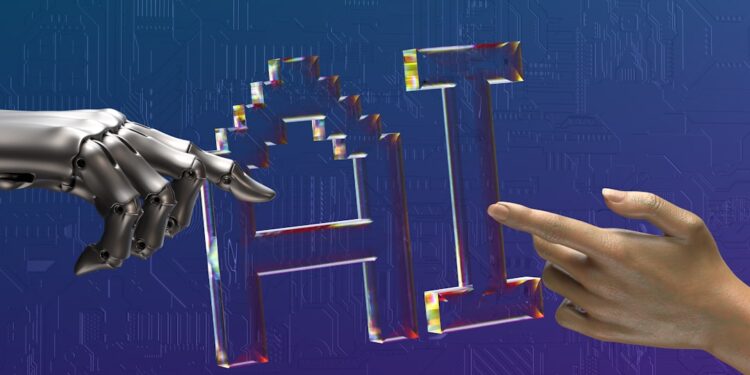
This article explores the transformative effects of AI on work and skills in Europe, emphasizing the need for reskilling initiatives and the evolving job landscape.

Transforming the European Workforce
The landscape of work in Europe is undergoing a profound transformation driven by artificial intelligence (AI). As intelligent machines become more integrated into various industries, the nature of jobs is shifting. AI is not just automating tasks; it is redefining roles and competencies required in the workforce. This evolution raises critical questions about the future of employment and the skills necessary to thrive in this new environment.
According to a report by McKinsey Global Institute, AI could displace up to 30% of jobs in Europe by 2030. However, it also has the potential to create new roles that require different skill sets. The dual nature of AI’s impact on employment presents both challenges and opportunities for workers across the continent. As companies adopt AI technologies, understanding these dynamics becomes essential for employees and employers alike.
Urgent Need for Reskilling
The integration of AI into the workplace highlights the urgent need for reskilling and upskilling initiatives. Workers must adapt to new technologies and methodologies to remain relevant in their fields. A study by the World Economic Forum emphasizes that reskilling efforts are crucial, as many existing jobs will evolve rather than disappear entirely. This shift calls for a proactive approach to workforce development.
Reskilling programs can take various forms, from formal education to on-the-job training. Companies are increasingly investing in these initiatives to equip their employees with the skills needed to work alongside AI. For instance, organizations are collaborating with educational institutions to design curricula that align with industry needs. This partnership ensures that the workforce is prepared for the future job market.
As AI continues to reshape the job market, a collaborative effort between stakeholders is essential for successful reskilling.
Moreover, the responsibility for reskilling does not fall solely on employers. Governments and policymakers play a vital role in facilitating access to training programs. Public funding for education and vocational training can help bridge the skills gap and support workers in transitioning to new roles. As AI continues to reshape the job market, a collaborative effort between stakeholders is essential for successful reskilling.
Analyzing Data and Trends
You may also like
 AI & Technology
Ford’s EV Overhaul: What It Means for Workers
Ford's major shift to electric vehicles raises questions about job security and opportunities for workers in the auto industry. Here's what you need to know.
Read More →To grasp the full impact of AI on work and skills in Europe, it is crucial to analyze relevant data and trends. The McKinsey Global Institute reports that while AI will lead to job displacement, it will also generate significant economic value. The potential for increased productivity and efficiency can drive growth across various sectors.
However, the benefits of AI are not evenly distributed. Certain industries, such as manufacturing and logistics, are likely to experience more significant disruptions than others. The European labor market must adapt to these changes, focusing on sectors where AI can complement human labor rather than replace it. Understanding these dynamics can help policymakers craft targeted strategies to support affected workers.
Addressing Ethical Concerns
Despite the potential benefits of AI, there are significant contradictions and debates surrounding its impact on employment. Critics argue that the rapid adoption of AI could exacerbate existing inequalities in the labor market. Those with lower skill levels may find it increasingly difficult to secure employment as automation takes over routine tasks. This concern raises questions about the inclusivity of AI-driven job creation.
Furthermore, the debate extends to the ethical implications of AI in the workplace. Issues such as data privacy, surveillance, and the potential for bias in AI algorithms are gaining attention. Stakeholders must address these concerns to ensure a fair and equitable transition to an AI-driven economy. Balancing innovation with ethical considerations is essential for fostering public trust in AI technologies.
Understanding these dynamics can help policymakers craft targeted strategies to support affected workers.

Preparing for an AI-Driven Future
The future of work in Europe will be significantly shaped by AI technologies. As companies continue to integrate AI into their operations, the demand for skilled workers will increase. However, the skills required will evolve, necessitating a shift in educational and training approaches.
Policymakers must prioritize initiatives that support lifelong learning and adaptability. Investing in education systems that emphasize critical thinking, creativity, and digital literacy will prepare the workforce for the challenges of the future. Collaboration between the public and private sectors will be crucial in developing effective training programs that align with industry needs.
You may also like
 Entrepreneurship & Business
Uber Transforms Drivers into Data Collectors for Self-Driving Tech
Uber's initiative aims to leverage its millions of drivers as a sensor grid, providing critical data for self-driving technology and reshaping the future of transportation.
Read More →Moreover, as AI technologies mature, new job categories will emerge, creating opportunities for innovation and entrepreneurship. Workers who embrace continuous learning and adaptability will be better positioned to thrive in this changing landscape. The key to success lies in fostering a culture of resilience and agility within the workforce.