No products in the cart.

Global Corporate Ethics Under Scrutiny as Whistleblower Protections Expand
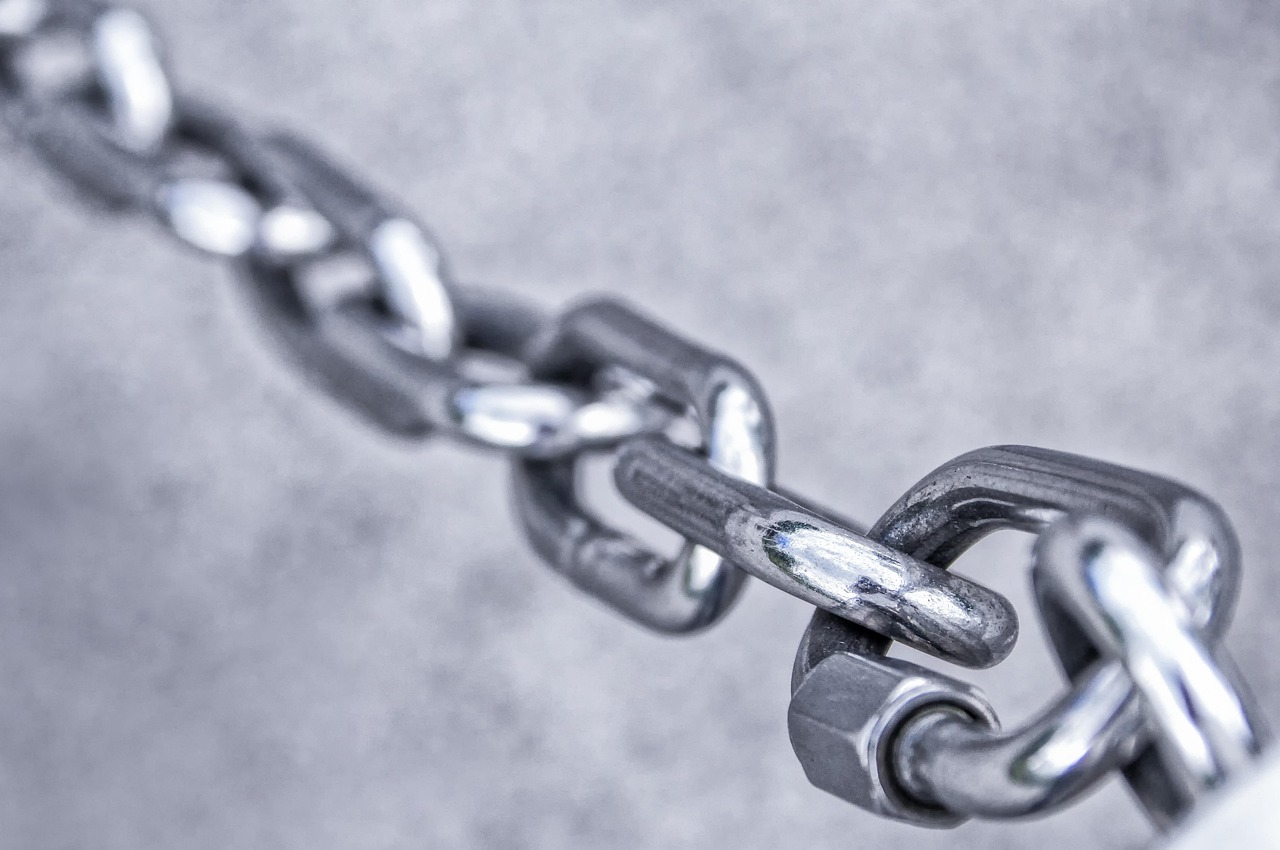
New whistleblower protections are reshaping corporate ethics worldwide, driving accountability and changing how companies manage risk and compliance.

New York, USA — Whistleblower protections have entered a new phase in 2025, with governments worldwide tightening regulations to safeguard employees who expose corporate wrongdoing. These measures, enacted across the European Union, United States, and parts of Asia, reflect a global push for transparency amid rising scandals in finance, technology, and manufacturing sectors. The expansion of legal safeguards is reshaping the corporate ethics landscape. Companies face heightened scrutiny from regulators and investors demanding robust compliance frameworks. Meanwhile, employees are empowered to report unethical conduct without fear of retaliation, signaling a shift in corporate accountability that affects leadership behavior, corporate culture, and career trajectories.
Why Whistleblower Protections Matter Now
Recent high-profile cases—from the collapse of Silicon Valley Bank in March 2023 to the Volkswagen emissions scandal fallout—have underscored the critical role whistleblowers play in exposing misconduct that threatens markets and public trust. Regulatory bodies like the U.S. Securities and Exchange Commission (SEC) and the European Commission have responded by strengthening whistleblower programs, boosting rewards, and expanding coverage to sectors previously excluded. For professionals navigating corporate ladders, these changes are significant. Enhanced protections mean greater job security for those who raise alarms internally or externally, encouraging ethical leadership and transparency. At the same time, organizations must invest in compliance training and internal reporting channels to retain talent and avoid costly penalties.
 News
NewsReliance Jio Clears Major Hurdle in Satellite Internet Rollout for India: Bridging the Global Digital Divide
Reliance Jio Platforms is set to revolutionize internet connectivity in India with the launch of JioSpaceFiber. By securing key IN-SPACe…
Read More →Global Legal Landscape: A Patchwork of Progress
In the U.S., the SEC’s 2024 amendments to the Dodd-Frank Act increased whistleblower award ceilings to $30 million and expanded protections to include contractors and temporary workers, a demographic often vulnerable to retaliation. Meanwhile, the EU’s Whistleblower Protection Directive, fully enforced by mid-2025, mandates member states to establish accessible reporting channels and prohibits any form of retaliation, with fines reaching up to 4% of global turnover for noncompliant companies. Asia is seeing a more gradual but notable shift. Japan’s Financial Services Agency introduced new guidelines in early 2025 enhancing protections in the banking sector, while South Korea’s Anti-Corruption and Civil Rights Commission expanded its remit to cover tech firms and startups. These developments illustrate a growing recognition of whistleblowing as a cornerstone of good governance beyond Western markets.
For professionals navigating corporate ladders, these changes are significant.
Corporate Responses: Risk, Reputation, and Reform
Corporations are recalibrating risk management in response. PwC’s 2025 global economic Crime and Fraud Survey reports that 45% of firms increased investment in internal whistleblower programs over the past two years, driven by fear of reputational damage and regulatory fines[1]. Companies like Siemens and Nestlé have revamped ethics training and created independent ombuds offices to handle allegations confidentially. However, challenges persist. Smaller firms often lack the resources to implement comprehensive protections, and cultural resistance to whistleblowing remains strong in regions where hierarchical business norms prevail. Critics argue that some programs are still superficial, designed more to shield firms legally than to foster genuine ethical cultures.

Impact on Careers and Corporate Culture
For employees, the evolving landscape offers both opportunities and risks. Protected whistleblowing can enhance careers by demonstrating integrity and leadership, traits increasingly valued by employers and investors. Conversely, whistleblowers still face subtle retaliation such as exclusion from key projects or stalled promotions, highlighting gaps between legal protections and workplace realities. Leadership styles are also adapting. Ethical leadership, once a niche concern, is becoming central to corporate success. CEOs like Satya Nadella at Microsoft and Mary Barra at General Motors emphasize transparency and open communication as strategic priorities. This shift reflects broader investor demand for Environmental, Social, and Governance (ESG) accountability, where whistleblower protections are a key metric.
 Career Development
AI’s Role in Empowering Job Seekers in Emerging Markets
AI is revolutionizing job seeking in emerging markets, offering new opportunities and skill enhancement for job seekers.
Read More →
Technological Tools and Whistleblowing
Technology is reshaping how whistleblower reports are managed. Platforms like NAVEX Global and Whispli provide encrypted, anonymous channels for employees, enabling safer disclosures. Artificial intelligence assists compliance teams by filtering and prioritizing reports, although concerns about data privacy and algorithmic bias remain under scrutiny. Blockchain is an emerging frontier for whistleblowing, offering immutable records of disclosures that protect integrity and prevent tampering. Companies investing in such innovations signal a commitment to transparency that resonates with younger, digitally savvy workforces.
Looking Ahead: Building Trust in Corporate Ecosystems
As whistleblower protections gain momentum globally, the interplay between regulation, corporate practices, and employee behavior will define the next decade of corporate ethics. Policymakers must balance robust legal frameworks with practical enforcement, while companies need to embed ethics into everyday operations, not just compliance checklists. For professionals, understanding these dynamics is crucial. Ethical courage and awareness of protections can safeguard careers and contribute to healthier workplaces. In a world where reputation and trust are currency, the ability to navigate and influence corporate ethics will be a decisive skill set. The evolution of whistleblower protections is not merely a legal story but a human one—about accountability, courage, and the ongoing quest to align business practices with societal values.