Paris, France — The beauty industry is undergoing a significant transformation, driven by shifting consumer preferences, technological advancements, and a growing emphasis on sustainability/” class=”ca-internal-link”>sustainability-at-the-un/” class=”ca-internal-link”>sustainability. according to a recent report by Vogue business, the global beauty market is projected to reach $716 billion by 2025, reflecting a compound annual growth rate (CAGR) of 5.3% from 2020 to 2025 [1]. this growth is not only measured in dollars but also in how brands are redefining their identities and engaging with consumers.
The urgency to adapt is palpable. brands are now more than ever focused on personal branding and the narratives they create around their products. with platforms like Instagram and tiktok dominating the landscape, visual storytelling and authenticity are paramount. The rise of influencers has shifted the traditional marketing paradigm, compelling brands to pivot towards more relatable and genuine marketing strategies.
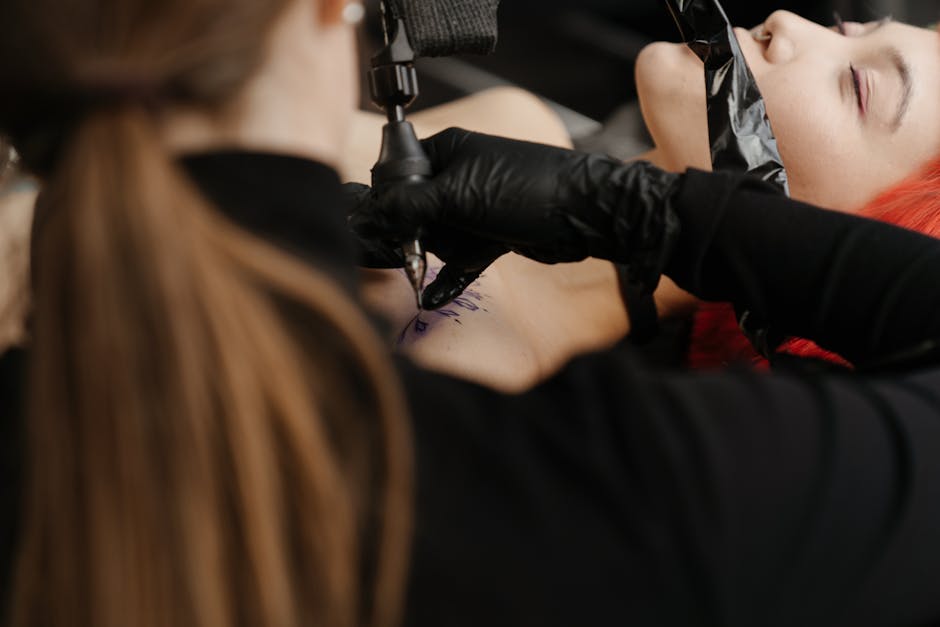
<figure class=”aligncenter”><img src="https://careeraheadonline.com/wp-content/uploads/2025/11/axoIDVk0ThE.jpg" alt="navigating the beauty industry's shifting trends” loading=”lazy” />
As we examine the current trends, it’s crucial to understand why they matter. The intersection of technology and beauty is reshaping how consumers discover and interact with products, making it essential for brands to stay ahead of the curve.
Context and background
The beauty industry has seen remarkable changes over the past few years, particularly in the wake of the COVID-19 pandemic. Lockdowns and social distancing measures accelerated the adoption of e-commerce, with online sales in the beauty sector surging by 20% in 2020 alone [2]. Moreover, consumers are now more inclined to seek out brands that align with their values, particularly those emphasizing sustainability and inclusiveness.
The intersection of technology and beauty is reshaping how consumers discover and interact with products, making it essential for brands to stay ahead of the curve.
According to a study by McKinsey, 67% of consumers consider sustainability when making beauty purchases, highlighting a significant shift in priorities [3]. this trend aligns with a broader consumer demand for transparency and ethical practices across industries.
analysis of emerging trends
among the most notable trends is the rise of clean beauty. brands like Fenty Beauty and The Ordinary have set a precedent by prioritizing ingredient transparency and ethical sourcing. this shift reflects a growing consumer demand for products that are not only effective but also environmentally friendly. The clean beauty market is expected to grow at a CAGR of 10.2% from 2021 to 2028 [4].
 News
Christmas Rail Works Bring Ten Days of Disruption
Paddington and Birmingham New Street close for five days, while route changes affect services to Wales, the west of England, Essex and Norfolk.
Read More →Another trend gaining traction is the personalization of beauty products. companies are leveraging artificial intelligence to offer customized solutions tailored to individual skin types and preferences. For instance, Prose, a haircare brand, uses algorithms to create personalized formulations based on user data, enhancing customer engagement and satisfaction.
Furthermore, the integration of augmented reality (AR) is revolutionizing the way consumers interact with beauty products. brands like L’Oréal have implemented AR technology in their mobile apps, allowing users to virtually try on makeup before purchasing. this technology not only enhances the shopping experience but also reduces the rate of returns, a significant cost for retailers.
However, the beauty industry is not without challenges. The rapid pace of innovation necessitates constant adaptation, and brands must invest significantly in research and development to keep up with consumer expectations. Additionally, the saturated market means that differentiation is key. Brands are exploring unique collaborations and limited-edition releases to capture consumer interest.
Looking ahead
As the beauty industry continues to evolve, the focus on digital transformation will remain critical. Brands that can effectively harness data analytics and consumer insights will be positioned to thrive. The continued rise of social media as a marketing tool underscores the importance of real-time engagement and adaptability.
The rapid pace of innovation necessitates constant adaptation, and brands must invest significantly in research and development to keep up with consumer expectations.
Moreover, as sustainability becomes increasingly non-negotiable, beauty brands must not only adopt green practices but also communicate these efforts transparently to consumers. this shift will require a concerted effort to educate consumers about the environmental impact of their purchases and the measures brands are taking to mitigate this impact.
 News
AI Search Retrieves More URLs Than It Cites
ChatGPT retrieved far more URLs than it visibly cited. OpenAI's crawler documentation also distinguishes search crawling from training data collection.
Read More →The future of beauty is not just about products; it’s about creating meaningful connections with consumers. As the market grows, so too does the responsibility of brands to lead with integrity and innovation. The question now is, how will your brand adapt to these changing tides? Engaging with consumers on a deeper level could define the next era of beauty.
Written by Career Ahead AI. AI can make mistakes, so verify key facts. Report errors to support@careeraheadonline.com.