No products in the cart.

IndiGo’s Flight Cancellations: A Crisis in India’s Aviation Sector
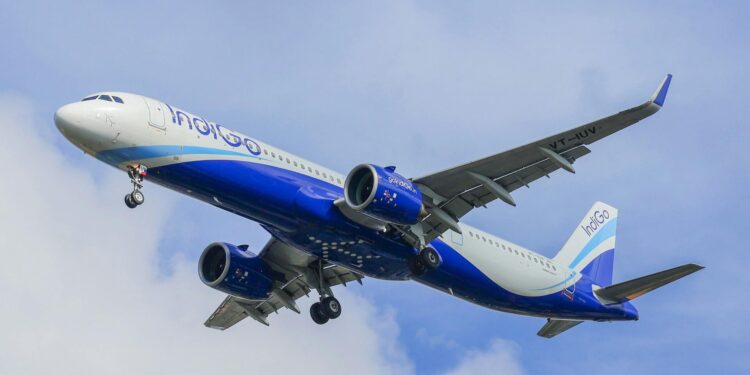
IndiGo Airlines has canceled over 1,000 flights, stranding thousands of passengers. The crisis raises questions about operational reliability in India's aviation sector.

Delhi, India — IndiGo Airlines, the largest carrier in India, has canceled over 1,000 flights, leaving thousands of passengers stranded and frustrated. The cancellations, which occurred on december 5, 2025, were attributed to a combination of adverse weather conditions, technical issues, and regulatory compliance regarding crew rest periods. This unprecedented disruption has raised concerns about the airline’s operational reliability and its impact on the broader aviation sector.
The situation is critical as IndiGo controls nearly two-thirds of the domestic air travel market in India. The airline’s CEO, Peter Elbers, has publicly apologized for the inconvenience caused to passengers and has promised that normal operations are expected to resume by december 15, 2025. However, the immediate fallout has been severe, with many travelers left scrambling for alternative arrangements and facing skyrocketing airfares.
IndiGo’s operational challenges come at a time when the Indian aviation market is experiencing rapid growth, driven by increasing demand for air travel. According to the Directorate General of Civil Aviation (DGCA), domestic air traffic in India has surged by over 20% in the past year alone, highlighting the critical need for airlines to maintain robust operational frameworks. The current crisis not only jeopardizes IndiGo’s reputation but also threatens to undermine consumer confidence in the entire aviation sector.
Background on the airline’s operational issues reveals a pattern of challenges that have emerged over the past few months. Pilots and crew members have raised concerns about the airline’s management practices, suggesting that cost-cutting measures may be compromising safety and service quality. Reports indicate that crew members were pushed to their limits, with insufficient rest periods leading to fatigue and operational inefficiencies. This has sparked a debate about the balance between profitability and safety in the competitive airline industry.
According to the Directorate General of Civil Aviation (DGCA), domestic air traffic in India has surged by over 20% in the past year alone, highlighting the critical need for airlines to maintain robust operational frameworks.
Industry analysts suggest that the fallout from these cancellations could have long-term implications for IndiGo. The airline’s market share could be threatened as passengers seek alternatives, particularly from competitors like Air India and SpiceJet, which have been expanding their services and improving customer experiences. Additionally, the Indian government has ordered a high-level investigation into the cancellations, which could lead to regulatory repercussions for IndiGo if safety violations are confirmed.
As the situation unfolds, the broader implications for the aviation industry are becoming clearer. The crisis highlights the vulnerabilities of airlines in a rapidly growing market, where operational reliability is paramount. With air travel demand expected to continue its upward trajectory, airlines must prioritize not only expansion but also the maintenance of high safety and service standards.

You may also like
 AI & Technology
The AI-Generated Content Conundrum: Navigating Literary Authenticity in a Changing Landscape
The increasing prevalence of AI-generated content has sparked a heated debate about its impact on literary authenticity, with 90% of people across countries…
Read More →Looking ahead, the aviation sector in India faces a critical juncture. The government’s response to the crisis, including potential regulatory changes, will be pivotal in shaping the future of the industry. Airlines may need to rethink their operational strategies, focusing on sustainable growth that prioritizes passenger safety and service quality over short-term profits.
As travelers, what steps can you take to ensure your flights are secure and reliable in this evolving landscape? The current crisis serves as a reminder of the importance of staying informed and adaptable in the face of unforeseen disruptions. Engaging with airlines about their safety practices and operational transparency may be a vital step in safeguarding your travel experiences.