No products in the cart.

Bank of Canada Faces Uncertainty Over Future Rate Movements

The Bank of Canada is at a crossroads regarding its next interest rate move. This uncertainty could have significant implications for borrowers and the economy.

Toronto, Canada — The Bank of Canada is currently grappling with uncertainty regarding its next interest rate decision. Earlier this month, officials decided to maintain the overnight rate at 2.25%. However, they are now faced with the challenging task of determining whether their next move will be a cut or a hike. This decision is critical, as it could significantly impact borrowing costs, consumer spending, and overall economic growth.
Understanding the implications of the Bank of Canada’s rate decisions is vital for anyone concerned about their financial future. The central bank’s actions can influence mortgage rates, personal loans, and even the job market. With inflationary pressures still lingering, the Bank’s cautious approach reflects broader economic uncertainties. Recent data indicates that inflation remains above the target range, complicating the decision-making process for policymakers.
In the past, the Bank of Canada has adjusted rates to stimulate growth or cool down an overheating economy. However, this time, the landscape is different. Economic indicators show mixed signals, with some sectors demonstrating resilience while others struggle. The uncertainty surrounding the next rate move raises questions about the effectiveness of current monetary policy in addressing these challenges.
Current Economic Indicators and Their Impact
The Bank of Canada is closely monitoring several economic indicators to inform its decision-making process. Recent reports show that while unemployment rates remain low, consumer confidence has shown signs of wavering. The retail sector, for instance, has experienced fluctuations in sales, indicating that consumers may be tightening their belts.
Rising interest rates have led to a slowdown in home sales, which could further impact economic growth.
Additionally, housing market dynamics are shifting. Rising interest rates have led to a slowdown in home sales, which could further impact economic growth. The Bank’s decision to hold rates steady this month reflects its desire to assess these ongoing developments before committing to a course of action.
Moreover, global economic conditions are also at play. The Bank of Canada must consider external factors such as international trade tensions and changes in commodity prices. A potential slowdown in global growth could have far-reaching implications for the Canadian economy, influencing the central bank’s decisions.
You may also like
 Business Insights
Navigating the Path to Becoming a School Counsellor in Australia
Discover essential steps and qualifications needed to become a school counsellor in Australia, along with insights into the profession's challenges and rewards.
Read More →As uncertainty looms, it is crucial for individuals and businesses to stay informed about the potential implications of the Bank’s next move. Whether you are a homeowner, a prospective buyer, or a business owner, understanding how interest rates affect your financial situation can help you make more informed decisions.
Implications for Borrowers and Investors
The uncertainty surrounding the Bank of Canada’s next rate decision has significant implications for borrowers and investors alike. For homeowners with variable-rate mortgages, a potential rate hike could lead to increased monthly payments. This situation may prompt some borrowers to consider locking in fixed rates, which could provide stability in an unpredictable environment.
On the other hand, if the Bank decides to cut rates, it could stimulate borrowing and spending, potentially boosting economic activity. This scenario may benefit businesses looking to invest in growth or consumers planning major purchases.
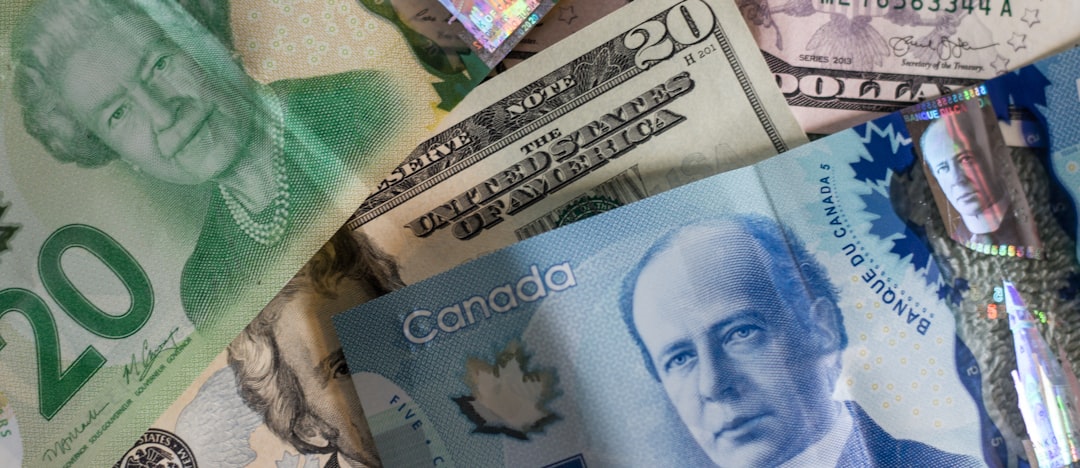
Investors should also be attentive to the Bank of Canada’s decisions. Changes in interest rates can influence stock market performance, particularly in sectors sensitive to borrowing costs. For example, financial institutions may benefit from higher rates, while sectors reliant on consumer spending may face challenges.
This scenario may benefit businesses looking to invest in growth or consumers planning major purchases.
- Monitor economic indicators: Stay updated on inflation rates, employment figures, and consumer confidence to gauge potential rate movements.
- Consider your borrowing strategy: Evaluate whether a fixed-rate mortgage or variable-rate loan aligns better with your financial goals in the current environment.
- Review investment portfolios: Assess how changes in interest rates could impact your investments and make adjustments as necessary.
However, some experts caution that the Bank of Canada’s indecision may lead to prolonged uncertainty in the financial markets. According to a recent analysis by TD Economics, the lack of a clear direction could hinder consumer confidence and spending, which are crucial for economic recovery.
Looking Ahead: What’s Next for the Bank of Canada?
You may also like
 Competitive Exams
Gen Z’s Pursuit of Work-Life Balance in an Uncertain Job Market
Gen Z prioritizes work-life balance and sustainability in careers, reflecting a shift in workplace values amid job market uncertainties.
Read More →The future of the Bank of Canada’s interest rate policy remains uncertain. As the central bank navigates through a complex economic landscape, its decisions will be closely watched by market participants and the public alike. The upcoming months will be critical as the Bank assesses the effectiveness of its current policies and the evolving economic conditions.
In conclusion, staying informed and proactive is essential for individuals and businesses amid this uncertainty. How will you adjust your financial strategies in response to potential changes in interest rates?