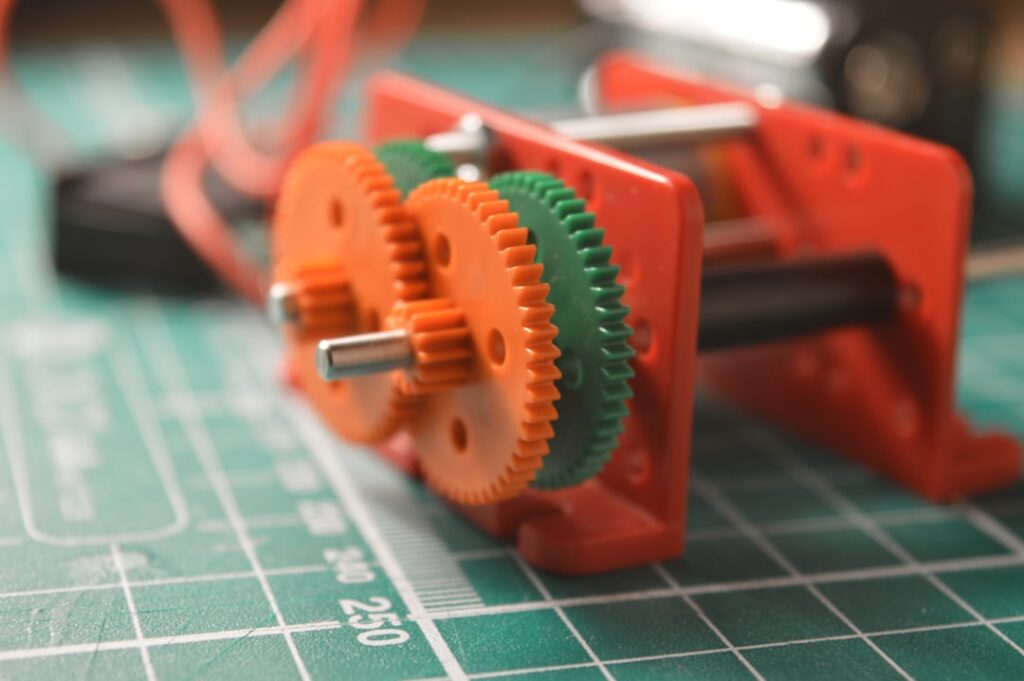
Advancements in 3D printing technology are reshaping the future of manufacturing, especially in the automotive sector. MIT researchers have developed a 3D printing system that can produce a fully functioning electric linear motor in about three hours, with a material cost of approximately 50 cents. This breakthrough is not just significant for its immediate application but also for its potential to revolutionize how cars are made in the future.
This development comes at a time when the automotive industry is grappling with supply chain disruptions and rising production costs. Traditional manufacturing methods for electric motors typically cost between $300 and $800, with rotary motors for cars exceeding $3,500. The ability to 3D print complex components directly on-site could drastically reduce these costs and improve efficiency.
In their research, published in the journal Virtual and Physical Prototyping, the MIT team demonstrated that their 3D printer could handle multiple materials simultaneously, allowing for the fabrication of all key components of an electric machine in one go. This capability marks a significant shift from conventional methods, which often require multiple steps and separate processes to create complex parts.
Why This Breakthrough Matters for Automotive Manufacturing
The implications of this 3D printing advancement extend beyond just the production of linear motors. If researchers can successfully adapt this technology to create rotary motors, the foundational components of a car could be manufactured in a single process. This would not only simplify production but also enable customization and rapid prototyping of vehicles.
Moreover, the potential for on-demand manufacturing could significantly alter the automotive supply chain. Instead of relying on a global network of suppliers, manufacturers could produce parts locally, reducing lead times and costs. This shift could also lead to a decrease in carbon emissions associated with transporting parts across long distances.
If researchers can successfully adapt this technology to create rotary motors, the foundational components of a car could be manufactured in a single process.
As Dr. Luis Fernando Velásquez-García, a senior author of the research, stated, “This is a great feat, but it is just the beginning. We have an opportunity to fundamentally change the way things are made by making hardware onsite in one step.” This sentiment reflects a growing trend in manufacturing that emphasizes sustainability and efficiency.
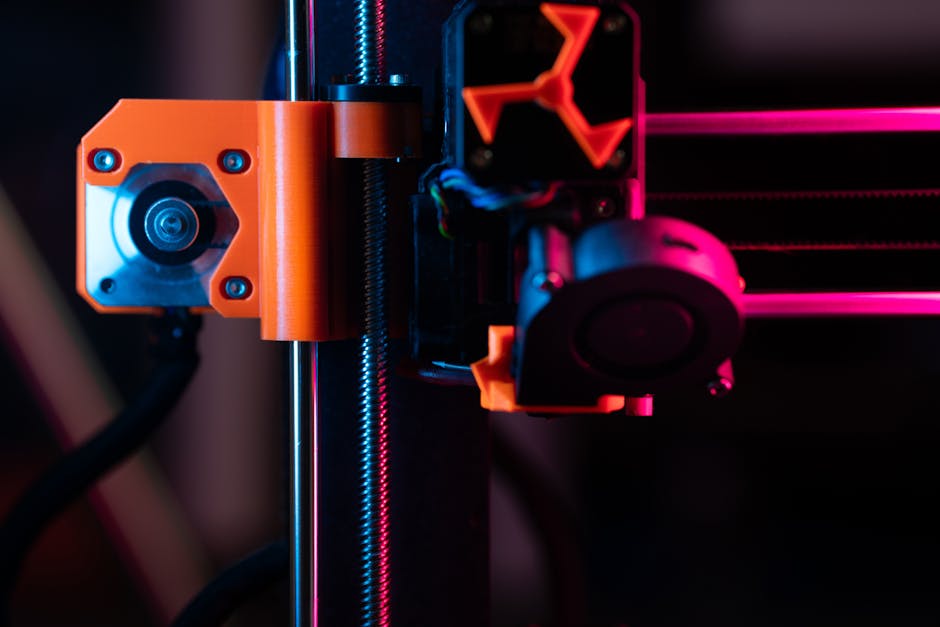
According to a report by Gizmodo, the idea of downloading designs and printing cars may soon become a reality, transforming the automotive industry into one that is more agile and responsive to consumer needs. This could lead to a new era of vehicle ownership, where individuals can customize and print their vehicles at home.
 Entrepreneurship & Business
Europe Adds to Business Regulatory Burden, Speaker Says
The exchange covered deregulation, CBAM, an India-EU trade agreement and trade figures for India’s ties with the EU and the Netherlands.
Read More →How This Affects Job Opportunities in Manufacturing
The rise of 3D printing technology is set to impact job opportunities in the manufacturing sector significantly. As traditional manufacturing roles evolve, new positions will emerge that require skills in 3D printing technology, design software, and robotics.
Entry-level workers may find opportunities in operating and maintaining 3D printers, while mid-career professionals might need to upskill in digital fabrication techniques. For those considering a career switch, fields related to additive manufacturing and design engineering will likely see increased demand.

Furthermore, educational institutions are beginning to adapt their curricula to include training in advanced manufacturing technologies. This shift indicates a growing recognition of the importance of 3D printing in the future workforce.
Entry-level workers may find opportunities in operating and maintaining 3D printers, while mid-career professionals might need to upskill in digital fabrication techniques.
- Upskill in 3D Printing: Seek out courses or certifications in additive manufacturing to stay competitive.
- Network in Emerging Fields: Join industry groups focused on 3D printing and advanced manufacturing to connect with professionals.
- Stay Informed: Follow industry news and trends to anticipate changes and opportunities in the job market.
However, experts caution that while 3D printing offers exciting possibilities, it may not fully replace traditional manufacturing methods. According to a report by El-Balad.com, the complexity of automotive components may still necessitate conventional techniques for certain applications. Balancing innovation with proven methods will be crucial for the industry’s future.
The Future of 3D Printing in Automotive Production
Looking ahead, the automotive industry is poised for a transformation driven by advancements in 3D printing technology. As researchers continue to refine their methods, the potential to print entire vehicles could become a reality.
In addition to manufacturing, this technology could influence design processes, allowing for rapid prototyping and testing of new concepts. The ability to iterate quickly on designs could lead to more innovative and customized vehicles.
 Entrepreneurship & Business
Use a Business Loan to Fix Cash Flow: Five Decisions
Cash flow is the top challenge for half of small firms. Here is how to choose a loan that fits.
Read More →As the industry evolves, one question remains: Will the automotive sector embrace this shift towards 3D printing, or will traditional manufacturing methods continue to dominate? The answer may redefine how we think about car production in the coming years.</p
Written by Career Ahead AI. AI can make mistakes, so verify key facts. Report errors to support@careeraheadonline.com.