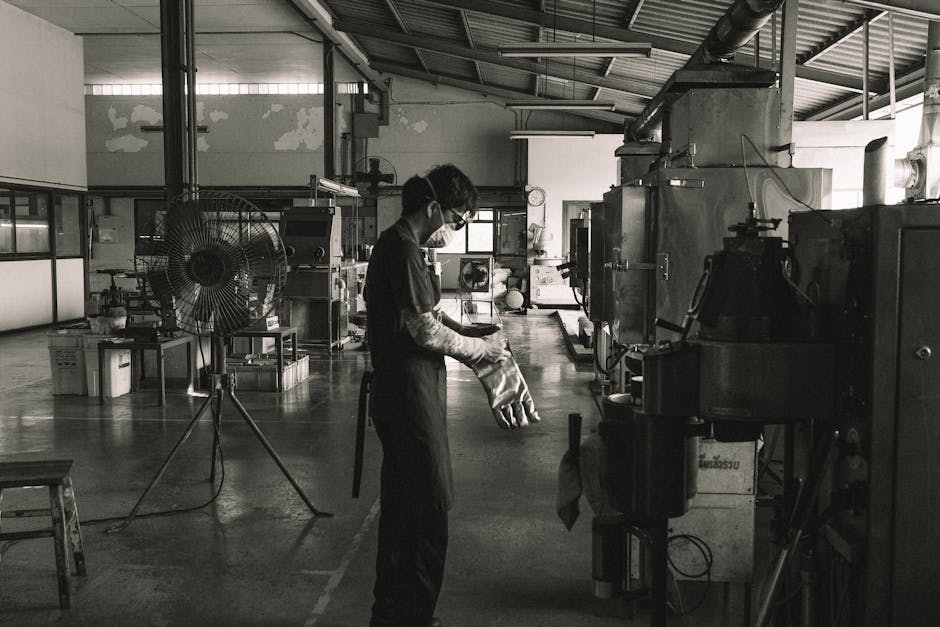
Thailand's manufacturing sector is poised for growth following the US tariff reset. This article explores the implications for businesses and workers in Thailand.
Thailand’s manufacturing sector is poised for significant growth following a recent court ruling that resets many US tariffs to a uniform rate of 15%. This development comes at a crucial time as countries seek to navigate the complexities of global trade and investment. The Thai government is optimistic that this tariff reset will enhance the country’s appeal as a manufacturing and investment hub. With the backing of the finance minister, Thailand aims to attract more foreign direct investment (FDI), which is vital for economic recovery and growth.
The reset of tariffs, ordered by the US courts, is expected to level the playing field for Thai manufacturers. Previously, Thailand faced higher tariffs on certain goods, making its products less competitive in the US market. Now, with a uniform tariff, Thai exporters can better compete with goods from other countries, potentially increasing their market share in the US.
According to Thailand’s Finance Minister, the new tariff structure will not only benefit manufacturers but also create job opportunities for the local workforce. This is especially important as the country seeks to rebound from the economic impacts of the pandemic. The ability to attract FDI will be crucial in revitalizing industries and creating sustainable employment.
Why Thailand is Positioned for Growth
Thailand has long been recognized as a manufacturing powerhouse in Southeast Asia. The country has a well-established infrastructure, a skilled workforce, and strategic geographic positioning that allows for efficient distribution of goods. With the recent tariff reset, these advantages are set to be further amplified.
Foreign investors are likely to see Thailand as a more attractive destination for manufacturing due to the reduced tariff burden. For instance, industries such as electronics, automotive, and textiles are expected to thrive as companies look to capitalize on the favorable trading conditions. The Thai government is also actively promoting initiatives to enhance technological capabilities and innovation in these sectors, which will further solidify the country’s competitive edge.
The country has a well-established infrastructure, a skilled workforce, and strategic geographic positioning that allows for efficient distribution of goods.
Gupta's appointment is part of a broader strategy by Kalanick to assemble a team of former Uber executives at Atoms, aiming to leverage their collective…
Additionally, the reset aligns with global trends towards reshoring and diversifying supply chains. Many companies are looking to reduce their reliance on single markets, and Thailand’s stable political environment and strong regulatory framework make it a viable alternative for manufacturers seeking to relocate or expand their operations.
However, the success of this initiative will depend on several factors, including the global economic recovery and demand for Thai products. As countries emerge from the pandemic, the demand for goods is expected to increase, providing an opportunity for Thailand to capture a larger share of the global market.
The Implications for Thai Workers and Businesses
The tariff reset is not just a boon for manufacturers; it also has significant implications for Thai workers. As companies expand their operations and increase production, the demand for skilled labor is likely to rise. This could lead to higher wages and better job security for workers in the manufacturing sector.
Moreover, the influx of foreign investment can lead to the establishment of new training programs and skill development initiatives. This will help workers adapt to the evolving demands of the industry, ensuring that they remain competitive in the job market. The Thai government has already expressed its commitment to investing in education and training to support workforce development.
For businesses, the tariff reset presents an opportunity to innovate and enhance productivity. Companies may invest in new technologies and processes to optimize their operations, leading to increased efficiency and profitability. This could also encourage collaboration between local and international firms, fostering knowledge transfer and best practices.
The Thai government has already expressed its commitment to investing in education and training to support workforce development.
Invest in Skills Development: Companies should prioritize training programs for their employees to ensure they are equipped with the necessary skills to meet the demands of a changing market.
Leverage Government Support: Businesses can take advantage of government incentives aimed at attracting FDI and enhancing competitiveness.
Focus on Innovation: Companies should invest in research and development to stay ahead of industry trends and consumer preferences.
Explore New Markets: With the tariff reset, businesses should consider expanding their reach into the US market and beyond.
However, experts warn that this trend may not be sustainable. A recent report from the BBC highlights that while the tariff reset is beneficial in the short term, businesses must remain cautious. The global economic landscape is unpredictable, and companies should not rely solely on favorable tariffs to drive growth. Instead, they should focus on building resilient supply chains and diversifying their markets to mitigate risks.
The Future of Thailand’s Manufacturing Sector
Looking ahead, Thailand’s manufacturing sector is on the brink of transformation. The tariff reset offers a unique opportunity for the country to solidify its position as a leading manufacturing hub in Southeast Asia. As companies adapt to the new trading environment, they will likely explore innovative solutions to enhance their operations.
Moreover, as global demand for goods continues to rise, Thailand may witness an influx of new businesses seeking to capitalize on the favorable conditions. This could lead to increased competition, driving further innovation and efficiency within the sector.
Ultimately, the question remains: How will Thailand leverage this opportunity to ensure sustainable growth in its manufacturing sector while navigating the complexities of global trade?



Entrepreneurship & Business
Entrepreneurship & Business