India’s Informal Sector Slows Down
The Ministry of Statistics and Programme Implementation’s Annual Survey of Unincorporated Sector Enterprises (ASUSE) shows that India’s informal sector is losing steam. The sector, which powers over 90 million jobs, is experiencing a slowdown.
Rise in Pay, Decline in job creation
Pay growth in the informal sector is uneven across sub-sectors. Unincorporated manufacturers recorded a 4% wage rise, down from 16% the year before. Trade-related units saw an 8% increase, down from 14%, while “other services” managed only 2% growth, compared with 10% previously.
Sectoral Snapshots
- Manufacturing: Pay up 4%. Hiring growth is muted, with only a 4% increase in pay, down from 16% in 2023-24.
- Trade: Pay up 8%. Hiring growth is also decelerating, with an 8% increase in pay, down from 14% in 2023-24.
- Other services: Pay up 2%. Hiring barely budged, with only a 2% increase in pay, down from 10% in 2023-24.
Regional Variations in Pay Growth
Geography deepens the divide. Rural wages edged up by just 2% in 2025, a stark contrast to the 18% surge recorded in 2023-24. Urban centers fared better, posting a 5% rise versus 10% the year before.
State-Level Differentials
Southern states such as Tamil Nadu and Karnataka posted wage growth in the 6–7% band. By contrast, northern states – Uttar Pradesh, Bihar, and West Bengal – lingered at 1–2%. This disparity highlights the need for targeted policies to address regional variations in pay growth.
Impact on the Economy and Employment
The informal sector’s contribution to gross domestic product (GDP) is measured through unorganized gross value added (GVA). With pay growth throttling and hiring falling, the sector’s GVA is set to be revised downward, shaving 30–40 basis points off the FY 26 GDP estimate.
This disparity highlights the need for targeted policies to address regional variations in pay growth.
Historical multipliers suggest that every rupee paid to informal workers generates roughly Rs 1.34 in consumption. A 9% shortfall in real wages could trim consumption-linked demand by an estimated Rs 64,000 crore.
The formal economy is pulling ahead. corporate salary surveys recorded a 9.7% increase in 2025, more than double the informal rise. EPFO data show 7.1 million new formal-sector subscribers in FY 25, indicating a gradual migration out of the unorganized pool.
Strategic Perspective: Navigating the Informal Sector
Policymakers face a choice: inject liquidity and credit into nano-enterprises or risk a prolonged drag on growth. The government’s Rs 2 trillion Micro-Small-Enterprise Credit Guarantee Fund (MSCLF) offers a template for risk-sharing.
Digitization offers a productivity boost. Shared compliance platforms that aggregate procurement, tax filing, and payroll could reduce the administrative burden on enterprises that typically employ just 1.7 workers.
 Industry & Global Trends
Agarwal Says India Can Attract Data Centre Investment
Agarwal cites data-centre construction costs around half the US and Europe level, renewable energy, a 1.5 billion population and coastline.
Read More →Strategic Perspective: Navigating the Informal Sector Policymakers face a choice: inject liquidity and credit into nano-enterprises or risk a prolonged drag on growth.
Initiatives like the e-Shram registration portal could help channel employer benefits and provide a safety net for informal workers.
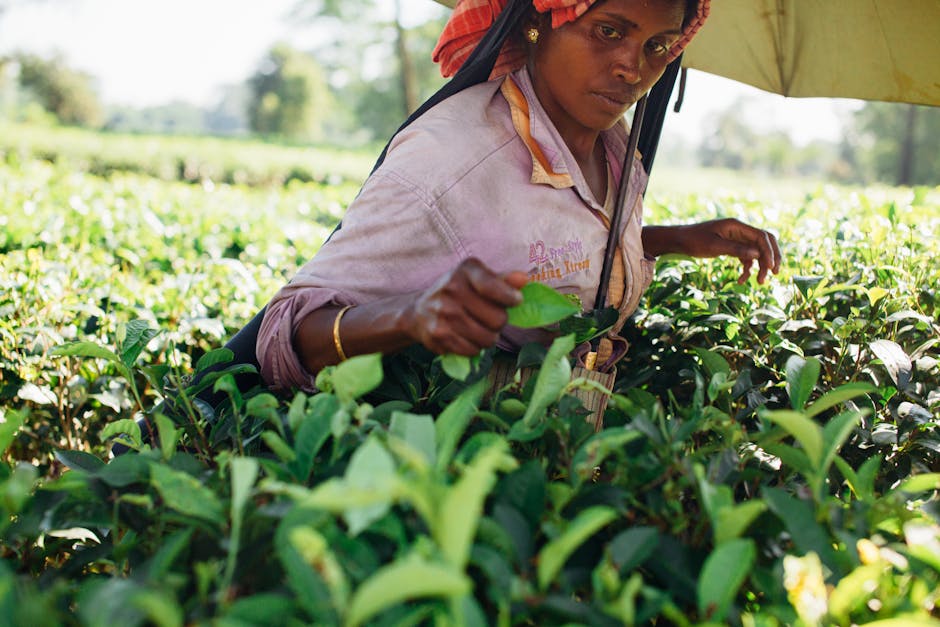
The informal sector is unlikely to regain its former pace in the short term. The data point to a structural slowdown: slower establishment entry, constrained credit, and a widening urban-rural wage gap. Policymakers must transform a “sweat-driven” growth model into one that leverages scale, digital efficiency, and targeted credit.
By doing so, policymakers can help revitalize the informal sector and ensure that it continues to play a vital role in India’s economic growth story.
Written by Career Ahead AI. AI can make mistakes, so verify key facts. Report errors to support@careeraheadonline.com.