No products in the cart.

A.I. Chatbots and Your Health Records: What to Know

Explore the risks and benefits of AI chatbots in healthcare. Learn how to protect your health data and make informed decisions.


“`html
The Growing Demand for AI Chatbots in Healthcare
Health systems, insurers, and pharmacies are using AI chatbots to reduce call center traffic, cut costs, and keep patients engaged. These chatbots can quickly answer routine questions, like medication refills, and direct patients to urgent care or reassure them about home monitoring.
AI chatbots also offer economic benefits. Automating tasks like appointment reminders and insurance checks can lower U.S. healthcare costs, which are inflated by administrative waste. However, cost-saving measures often come with trade-offs, particularly regarding the data that powers these bots.
understanding the Privacy Risks Involved
To provide useful answers, AI chatbots need sensitive patient data, including diagnostic codes and medication histories. This creates a risk; a data breach could expose personal health information (PHI), impacting employment and insurance.
Cybersecurity experts warn that AI models are prime targets due to their valuable data. A compromised chatbot could steal records, add false information to patient charts, or alter treatment recommendations. Additionally, the “black-box” nature of many AI models makes it hard to trace how advice is generated, complicating investigations after incidents.
understanding the Privacy Risks Involved To provide useful answers, AI chatbots need sensitive patient data, including diagnostic codes and medication histories.
Data Ownership and Control
Patients often sign consent forms that allow providers to use their data for “treatment, payment, and operations.” However, unclear data ownership can erode trust, especially when health systems partner with various tech firms, each with different privacy policies.

You may also like
 Industry & Global Trends
Triyoga’s Crisis: Unpaid Instructors, Financial Struggles
Triyoga, once a favorite among celebrities and fitness enthusiasts, faced significant financial challenges leading to its downfall. Instructors reported that they had not received their…
Read More →What Patients Need to Know Before Sharing Health Data
Patients have the right to know how their PHI will be used, who can access it, and what protections are in place. Health providers should offer clear, simple explanations when introducing chatbots, enabling patients to make informed decisions about their health interactions.
Practical Safeguards for Patients
- Verify the platform. Ensure the chatbot is hosted by a trusted health system or certified vendor. Look for secure connections and clear data handling statements.
- Limit the details you share. Only provide necessary information for a helpful response. For non-urgent questions, a general description is often enough.
- Use encrypted communication channels. Prefer secure patient portals or messaging apps over generic texting or email.
- Exercise the right to opt out. Many health systems allow patients to decline AI services without losing access to traditional care. Ask how to withdraw consent and have it noted in your chart.
Techniques to Enhance Clarity and Credibility with AI
Healthcare organizations can address privacy concerns while benefiting from AI through various measures.
- Data anonymization and aggregation. Remove identifiers like names and birth dates before using data for AI training. Aggregated data can improve diagnostics without exposing individual patients.
- Explicit labeling of AI interactions. A banner stating “You are speaking with an AI-powered assistant” informs users that responses are generated by algorithms, clarifying accountability.
- Regular security audits. Schedule independent testing and compliance checks to identify vulnerabilities and show commitment to protecting PHI.
- Human-in-the-loop oversight. For critical decisions, like medication dosing, have qualified professionals review AI outputs before sharing them with patients.
Strategic Perspective
The rapid spread of AI chatbots in healthcare has outpaced policy development. Regulators are starting to draft guidelines that balance innovation with patient protection, but legislation is lagging behind commercial use. A collaborative approach is needed: providers must clarify data-use policies, tech firms should prioritize privacy, and patients should be involved through public comments and advocacy.
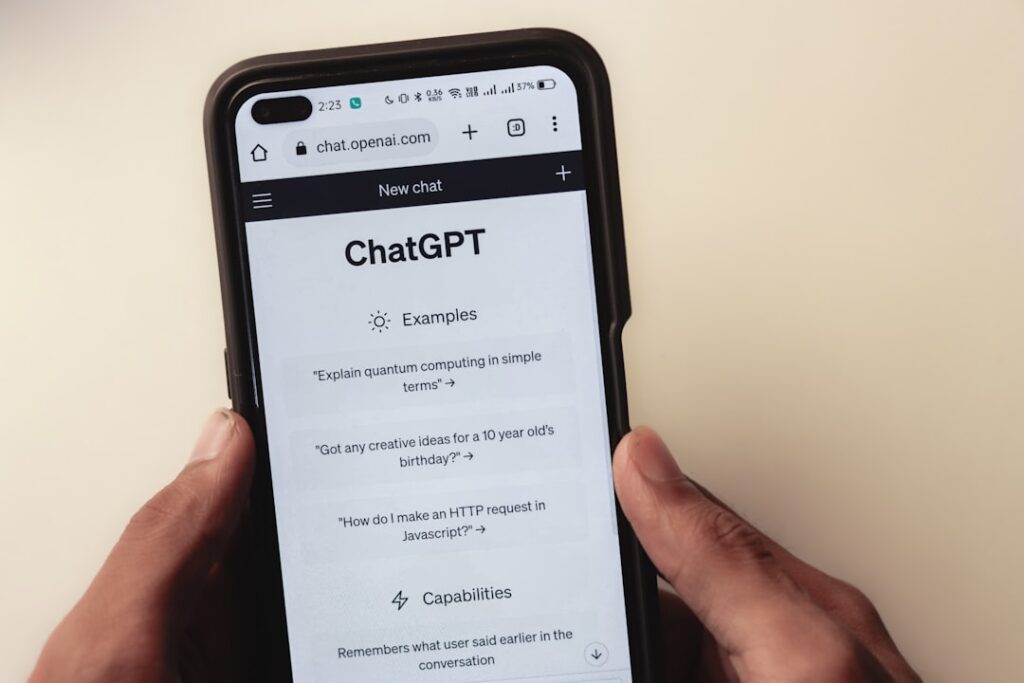
A collaborative approach is needed: providers must clarify data-use policies, tech firms should prioritize privacy, and patients should be involved through public comments and advocacy.

In the long run, AI’s credibility in healthcare will depend on showing that convenience does not compromise confidentiality. When patients trust that their sensitive information is secure, they are more likely to use digital tools and share accurate data, benefiting from AI’s efficiencies. The future of health-tech will be shaped by agreements that define data ownership.
You may also like
 Education & University Insights
Centre of Excellence for Classical Pali Launched
The Centre aims to enhance the study and preservation of the Pali language, focusing on its significance in Buddhist literature and philosophy.
Read More →As the line between human caregivers and AI assistants blurs, progress will be measured by how quickly privacy safeguards evolve. Keeping patient agency at the forefront will help turn this powerful technology into a trusted partner in care.
“`