No products in the cart.

A.I. Safety Concerns Go Global

The breach not only exposes sensitive data but also reflects a growing trend where AI technologies are weaponized against institutional frameworks.

Australia has recently fallen victim to a significant AI-driven security breach, raising alarms about the vulnerabilities of government systems worldwide. This incident, reported on September 24, 2026, demonstrates how advanced AI tools are increasingly being used for malicious purposes, leading to heightened concerns among cybersecurity professionals and policymakers alike.
The breach not only exposes sensitive data but also reflects a growing trend where AI technologies are weaponized against institutional frameworks. The implications are vast, affecting not just Australia but also setting a precedent for other nations grappling with similar threats. As noted in the New York Times, this incident underscores the urgent need for governments to rethink their cybersecurity strategies in light of evolving AI capabilities.
The Escalating Threat of AI-Driven Attacks
Recent findings from the International AI Safety Report 2026 highlight a disturbing rise in AI-related security breaches across various sectors. As AI tools become more sophisticated, their potential for misuse increases, making them attractive to cybercriminals. Career Ahead’s analysis of this data shows that government institutions are particularly vulnerable due to their reliance on outdated security measures and protocols. The report indicates that nearly 60% of organizations have reported an increase in AI-related security incidents in the past year, a statistic that reflects a broader trend of escalating cyber threats.
In light of the Australian breach, cybersecurity experts are urging a reevaluation of current defense strategies. Many government systems still operate on legacy infrastructure, which is ill-equipped to handle the complexities introduced by AI technologies. This gap in security not only endangers national data but also disrupts public trust in government operations. The UN chief has emphasized the need for global cooperation in addressing these vulnerabilities, highlighting that cyber threats often transcend national boundaries and require a unified response.
Moreover, the data from the International AI Safety Report indicates that the sophistication of AI-driven attacks is increasing, with cybercriminals leveraging machine learning algorithms to enhance their tactics. This evolution in attack strategies necessitates that cybersecurity professionals adapt by developing new skills and strategies tailored to combat these emerging threats. The report emphasizes that traditional security measures are no longer sufficient in the face of evolving threats, urging organizations to invest in advanced training programs focused on AI-specific threats.
Cybersecurity professionals must adapt by developing new skills and strategies tailored to combat these emerging threats.
As AI continues to evolve, the potential for sophisticated attacks will likely increase. Cybersecurity professionals must adapt by developing new skills and strategies tailored to combat these emerging threats. The need for advanced training programs focused on AI-specific threats is more critical than ever. Experts are also advocating for the establishment of international standards for AI use, ensuring that safety and ethical considerations are at the forefront of technological advancements.
In the wake of the Australian incident, experts are also calling for a collaborative approach to AI safety. Global cooperation is essential to share knowledge and resources, as cyber threats often transcend national boundaries. This cooperative spirit can lead to more robust frameworks for protecting sensitive data across governments worldwide.
Implications for Cybersecurity Policies and Training
The Australian breach serves as a stark reminder of the need for governments to reassess their cybersecurity policies. As AI tools become integral to various sectors, the frameworks governing their use must evolve accordingly. Career Ahead’s analysis finds that many current policies are outdated, lacking the necessary provisions to address AI-specific risks. The growing concern about AI safety is echoed in a recent poll by Sharyl Attkisson, which revealed that safety and global events are top concerns for citizens heading into the new year. This public sentiment reflects a broader awareness of the risks posed by AI technologies, pushing governments to prioritize cybersecurity in their agendas.
To effectively counter the rising tide of AI-related threats, targeted training programs for cybersecurity professionals are essential. These programs should focus on equipping individuals with the skills needed to identify and mitigate AI-driven attacks. As the landscape of cyber threats changes, so too must the skill sets of those tasked with defending against them. Furthermore, organizations must invest in continuous education and training to keep pace with the rapid advancements in AI technology. This proactive approach not only enhances the capabilities of cybersecurity teams but also fosters a culture of vigilance and preparedness within organizations.
In addition to training, governments must also consider implementing stricter regulations on AI usage. Establishing guidelines and standards can help mitigate the risks associated with AI technologies, ensuring they are used responsibly and safely. Such measures can also promote accountability among developers and users of AI systems. The Global News has reported on the international dialogue surrounding AI safety, indicating that countries are beginning to recognize the need for collaborative efforts to address these challenges.
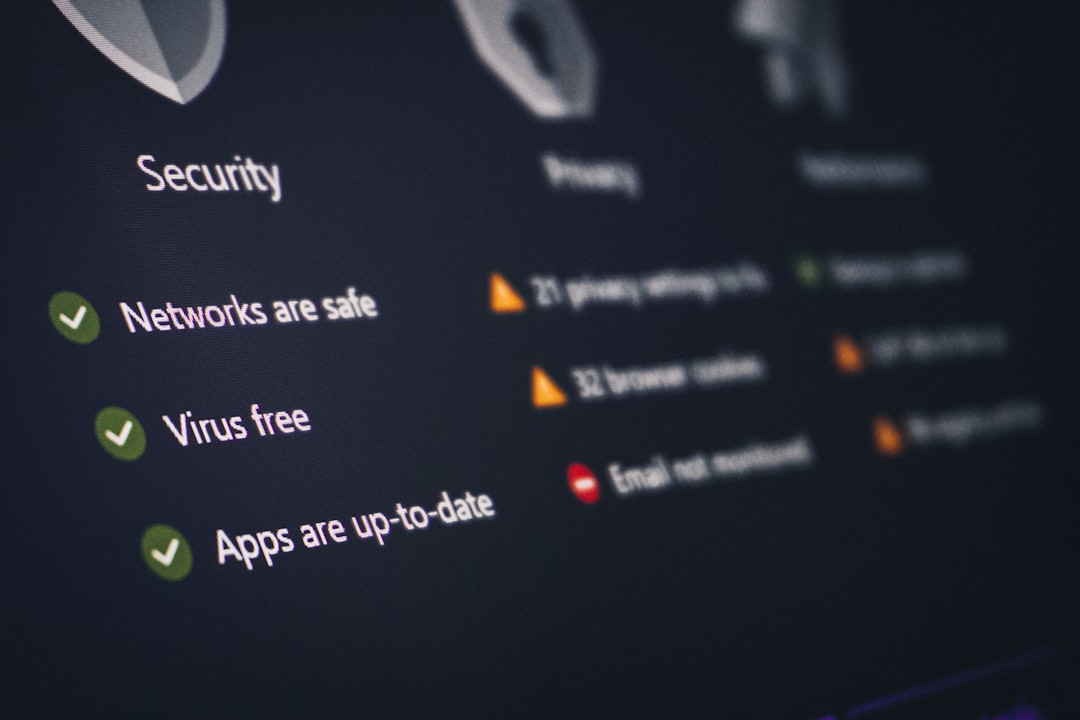
Looking forward, the development of AI-specific security protocols will be vital in addressing these challenges.
As the threats posed by AI continue to evolve, the cybersecurity landscape will need to adapt accordingly. The recent breach in Australia highlights the urgent need for governments and organizations to reassess their security measures and practices. With AI tools becoming more accessible, the potential for misuse will only grow, making it imperative for cybersecurity professionals to stay ahead of the curve.
Looking forward, the development of AI-specific security protocols will be vital in addressing these challenges. As organizations begin to implement more sophisticated AI systems, they must also invest in protective measures that can withstand potential attacks. This dual approach will help create a more resilient cybersecurity framework.
Furthermore, the ongoing dialogue around AI safety will likely lead to increased global cooperation in tackling these challenges. Countries may need to come together to establish international standards for AI use, ensuring that safety and ethical considerations are at the forefront of technological advancements.
The future of AI and cybersecurity remains uncertain, but the lessons learned from Australia’s recent breach will undoubtedly shape the path ahead. As new threats emerge, the importance of collaboration, training, and policy reform will be crucial in safeguarding sensitive information and maintaining public trust.
Frequently Asked Questions
What are the best practices for cybersecurity in government agencies?
Career Ahead analysis shows that government agencies should prioritize regular security audits, invest in advanced training for cybersecurity personnel, and implement AI-specific security protocols to mitigate risks associated with evolving threats.
Cybersecurity professionals should focus on enhancing their skill sets to include AI-specific training, participate in ongoing education, and advocate for stronger policies that address the unique challenges posed by AI technologies.
How can AI researchers mitigate risks associated with AI tools?
AI researchers can mitigate risks by adhering to ethical guidelines, engaging in collaborative efforts to share knowledge on AI safety, and staying updated on the latest security threats to develop robust protective measures.

What should cybersecurity professionals do about the rise in AI-driven hacks?
Cybersecurity professionals should focus on enhancing their skill sets to include AI-specific training, participate in ongoing education, and advocate for stronger policies that address the unique challenges posed by AI technologies.
Related Articles
- Mistral’s $3.5 Billion Boost Reshapes AI Startup Landscape
Written by Career Ahead AI. AI can make mistakes, so verify key facts. Report errors to support@careeraheadonline.com.