No products in the cart.

Advancements in IVF: The Future of Reproductive Medicine
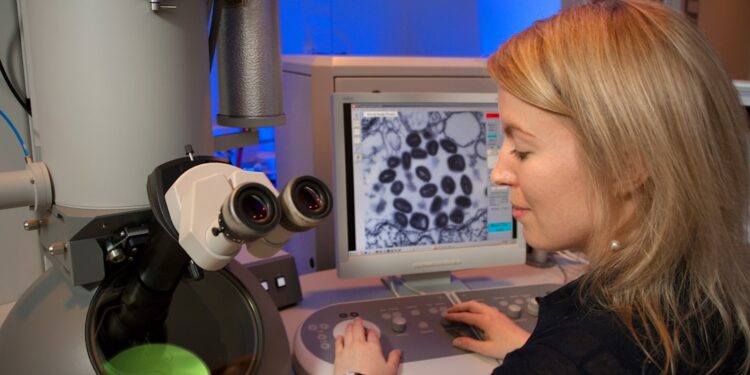
This article delves into the latest advancements in IVF technology, including AI, robotics, and genetic testing, and their implications for reproductive health.

Transforming IVF Through Technology
In vitro fertilization (IVF) has undergone significant transformations since the birth of the first IVF baby, Louise Brown, in 1978. Today, advancements in technology promise to reshape the landscape of reproductive medicine. Innovations such as artificial intelligence (AI), robotics, and genetic testing are enhancing success rates and making IVF more accessible for couples struggling with infertility.
As the demand for fertility treatments rises globally, the need for efficient and reliable solutions becomes increasingly urgent. The integration of AI and robotics into IVF processes is set to revolutionize how embryos are selected and implanted, potentially leading to higher success rates and fewer miscarriages. This evolution in IVF technology reflects broader trends in healthcare towards automation and precision medicine.
AI’s Role in Embryo Selection
AI technologies are making significant strides in identifying the most viable embryos for implantation. Traditional methods rely heavily on embryologists’ visual assessments, which can be subjective and inconsistent. AI systems can analyze vast amounts of data to identify patterns that indicate embryo viability.
For instance, researchers at Columbia University Medical Center have developed an AI tool that examines semen samples for healthy sperm, significantly improving the chances of successful fertilization. This technology can process over a million images in an hour, providing a level of precision that human analysis cannot match. Such advancements could lead to a new standard in embryo selection, ultimately resulting in healthier pregnancies.
Moreover, AI can assist in predicting the success of IVF cycles by analyzing patient data and treatment responses. This predictive capability allows clinicians to tailor treatment plans more effectively, increasing the likelihood of success for individuals based on their specific circumstances.
This predictive capability allows clinicians to tailor treatment plans more effectively, increasing the likelihood of success for individuals based on their specific circumstances.
Robotics Streamlining IVF Procedures
Robotics is another frontier in the evolution of IVF. Automated systems are being developed to standardize and streamline various steps in the IVF process. These systems can perform tasks such as selecting eggs and sperm, fertilizing them, and monitoring embryo development with minimal human intervention.
You may also like
 Entrepreneurship & Business
Indonesia, IIT Madras Unite for Deep-Tech Research
The MoU was signed during a visit by Indonesia's Minister of Higher Education, Science and Technology, Prof Brian Yuliarto, to IIT Madras.
Read More →One notable example is the work of Alejandro Chavez-Badiola, who has pioneered an automated IVF system that integrates AI to enhance efficiency and consistency. This technology aims to eliminate human error, which can significantly impact IVF outcomes. By automating the process, clinics can increase their capacity to handle more patients while maintaining high standards of care.
The potential benefits of robotic IVF extend beyond success rates. Automation can also reduce costs, making treatments more accessible to a broader population. As these technologies mature, they could democratize access to fertility treatments, especially in regions where such services are limited.
Ethical Considerations in Genetic Testing
Preimplantation genetic testing (PGT) has become a cornerstone of modern IVF, allowing for the screening of embryos for genetic abnormalities before implantation. This testing can significantly reduce the risk of miscarriage and genetic disorders in newborns. However, it also raises ethical questions about the extent to which parents should be allowed to select embryos based on genetic criteria.
While PGT-A (preimplantation genetic testing for aneuploidy) is widely accepted and has shown to improve outcomes, other forms of genetic testing, such as PGT-P (which predicts complex traits), are more controversial. The implications of selecting embryos based on traits like intelligence or physical characteristics could lead to slippery slopes in genetic engineering and eugenics.
This debate underscores the need for clear ethical guidelines as IVF technologies evolve. Balancing the benefits of genetic testing with the potential for misuse will be crucial as society navigates the complexities of reproductive choices.
This debate underscores the need for clear ethical guidelines as IVF technologies evolve.

Addressing Global Disparities in IVF Access
You may also like
 Entrepreneurship & Business
Meet the eight startups pitching
Australia's Startup Battlefield showcases eight innovative startups vying for investment opportunities in AI, health tech, and workforce management, reflecting a growing tech ecosystem poised for…
Read More →The advancements in IVF technology are not just reshaping individual experiences; they have broader implications for global reproductive health. As fertility rates decline in many developed countries, the demand for effective fertility treatments is rising. Countries like the United States and those in Europe are witnessing a surge in IVF procedures, driven by both social trends and medical advancements.
However, access to these technologies is often uneven. While affluent populations may benefit from cutting-edge treatments, low-income individuals and those in developing nations may face significant barriers. This disparity raises important questions about equity in healthcare and the future of reproductive rights globally.

As the field of reproductive medicine continues to evolve, it will be essential to address these disparities. Policymakers and healthcare providers must work together to ensure that advancements in IVF technology are accessible to all, regardless of socioeconomic status.
Future Prospects in IVF Technology
The future of IVF holds immense promise, with ongoing research and development aimed at further improving success rates and accessibility. Innovations in AI and robotics are expected to become more sophisticated, potentially leading to even higher success rates and lower costs.
Future Prospects in IVF Technology The future of IVF holds immense promise, with ongoing research and development aimed at further improving success rates and accessibility.
Moreover, as societal attitudes towards reproductive technologies continue to evolve, there may be greater acceptance of genetic testing and other advanced techniques. This shift could pave the way for more personalized approaches to fertility treatments, where decisions are tailored to individual genetic profiles and health histories.
You may also like
 Entrepreneurship & Business
Four Top Google A.I. Researchers Form New Start
The formation of a new AI startup by four top Google researchers, led by Jeff Dean, signifies a pivotal moment in the artificial intelligence landscape,…
Read More →However, ethical considerations will remain paramount. The balance between innovation and ethical responsibility will be critical in shaping the next generation of reproductive medicine. Ensuring that advancements benefit all individuals while safeguarding against potential abuses will be a key challenge for the industry.