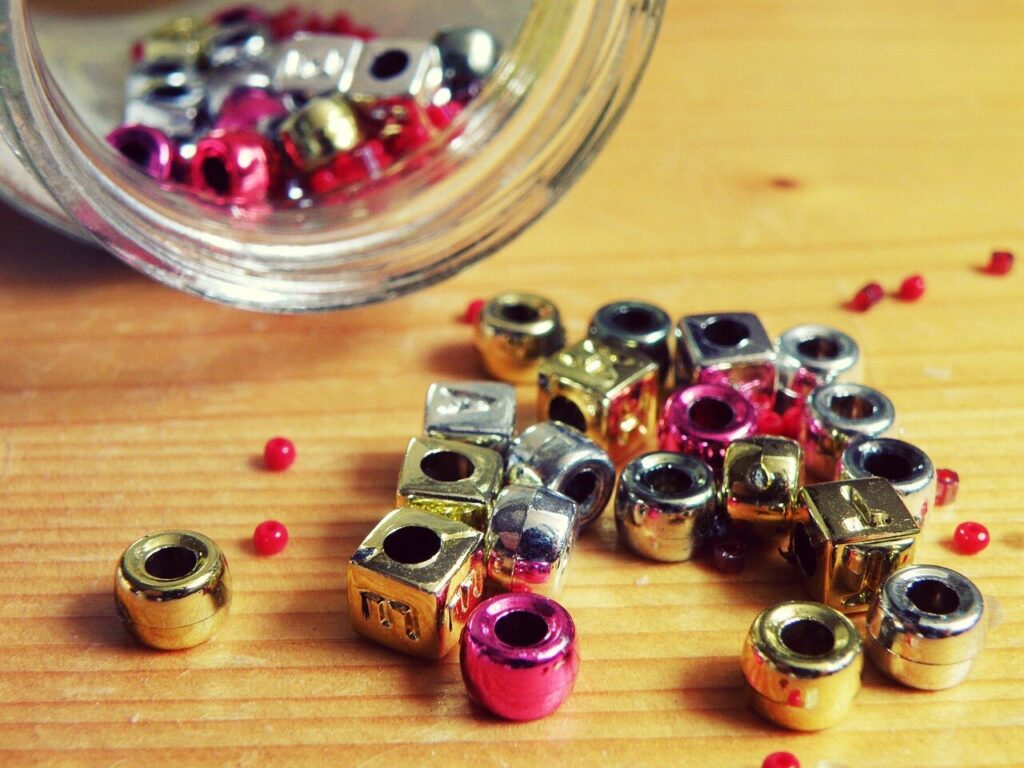
London, United Kingdom — The global imitation jewellery market is projected to expand at a compound annual growth rate (CAGR) of 8.1% through 2035, driven by surging demand for affordable luxury accessories and evolving consumer tastes across Asia, Europe, and North America. Valued at approximately $45 billion in 2024, the market is expected to surpass $110 billion by 2035, according to a comprehensive industry forecast by Industry Today.[1]
This growth is underpinned by several factors: rising disposable incomes in emerging markets, particularly India and Southeast Asia; the democratization of fashion through social media; and increasing consumer preference for sustainable, cruelty-free alternatives to precious metals and gemstones. As the luxury jewellery sector faces challenges from economic uncertainty and environmental scrutiny, imitation jewellery offers a compelling value proposition to younger, budget-conscious buyers seeking style without the price tag.
Why the Imitation Jewellery Market Matters Now
The acceleration in imitation jewellery demand is reshaping how consumers perceive luxury and personal adornment. This shift carries broad implications for manufacturers, retailers, and policymakers alike. For the workforce, it signals new opportunities in design, supply chain innovation, and digital marketing. For educators, the trend highlights the need for curricula that integrate fashion technology and sustainability principles. Moreover, this growth trajectory challenges the traditional dominance of precious metals in jewellery markets. It compels legacy brands to rethink their value propositions and explore hybrid models blending craftsmanship with accessibility. The sector’s evolution also reflects broader changes in consumer behavior driven by economic pressures and ethical concerns, underscoring a more nuanced understanding of luxury’s meaning in the 21st century.
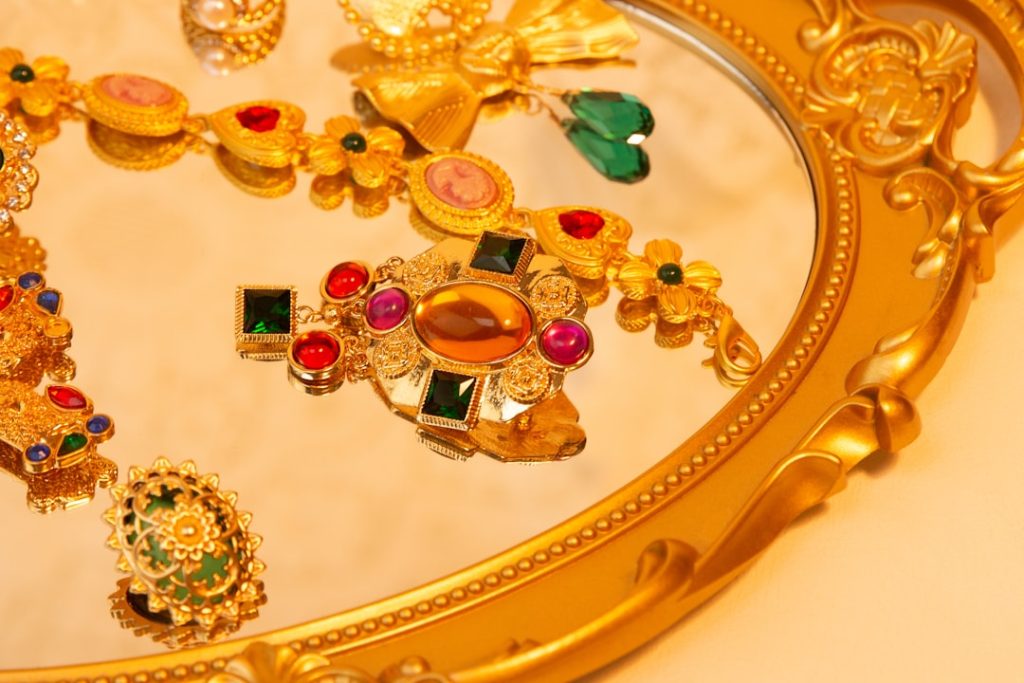
Market Drivers and Regional Dynamics
Asia-Pacific remains the dominant growth engine for imitation jewellery. India, in particular, is forecasted to sustain a CAGR of 9.5% through 2035, fueled by a burgeoning middle class and increasing urbanization. The country’s youth population, highly engaged on platforms like Instagram and TikTok, drives demand for trendy, affordable accessories that complement fast fashion.[2]
China and Southeast Asia follow closely, with governments investing in local manufacturing hubs to capitalize on export opportunities. Meanwhile, Western markets exhibit a growing appetite for ethically sourced and environmentally conscious products, boosting imitation jewellery brands that emphasize recycled materials and conflict-free components.
For the workforce, it signals new opportunities in design, supply chain innovation, and digital marketing.
 News
NewsAndhra Pradesh Extends Government Job Age Limit to 44 Through 2027
The change covers non-uniform posts; SC, ST and BC candidates have a ceiling of 49 under the rules.
Read More →Innovation and Sustainability in Design and Production
Technological advancements are enabling producers to create high-quality imitation jewellery that closely mimics the aesthetics of precious metal pieces. Techniques such as 3D printing, electroforming, and improved plating processes have lowered costs while enhancing durability and design complexity. Simultaneously, sustainability has become a strategic priority. Brands like Swarovski and Pandora are expanding their offerings of lab-grown crystals and responsibly sourced metals in imitation lines, responding to consumer demands for transparency. This pivot not only reduces environmental impact but also appeals to younger demographics who prioritize ethical consumption.[3]
Challenges and Competitive Landscape
Despite promising growth, the imitation jewellery market faces challenges including counterfeit products, fluctuating raw material prices, and the need to build brand trust. Established luxury jewellery houses are wary of imitation’s potential to erode exclusivity, leading to cautious engagement with the segment. However, new entrants and startups are leveraging direct-to-consumer models and social commerce to reach niche audiences. Companies like Mejuri and Missoma have successfully blended affordability with aspirational branding, driving category expansion. Analysts note that differentiation through storytelling, quality assurance, and digital engagement will be critical for sustained success.
Looking Ahead: Implications for Industry Stakeholders
For professionals in design, marketing, and supply chain management, the growth of imitation jewellery presents a landscape ripe with innovation and career opportunities. Adapting to consumer demands for authenticity, sustainability, and affordability will require agility and cross-disciplinary expertise. Policymakers can support this evolution by encouraging responsible manufacturing practices and protecting intellectual property rights, ensuring market integrity. Educational institutions should prioritize skill development in emerging technologies and ethical fashion to prepare graduates for these shifts. As economic pressures and environmental awareness continue to shape consumer choices, imitation jewellery’s rise signals a broader redefinition of luxury. The industry’s future will likely hinge on its ability to balance craftsmanship with inclusivity, tradition with innovation, and profit with purpose.
Written by Career Ahead AI. AI can make mistakes, so verify key facts. Report errors to support@careeraheadonline.com.