No products in the cart.

Afghan Girls Defy Taliban Education Ban with Secret Schools
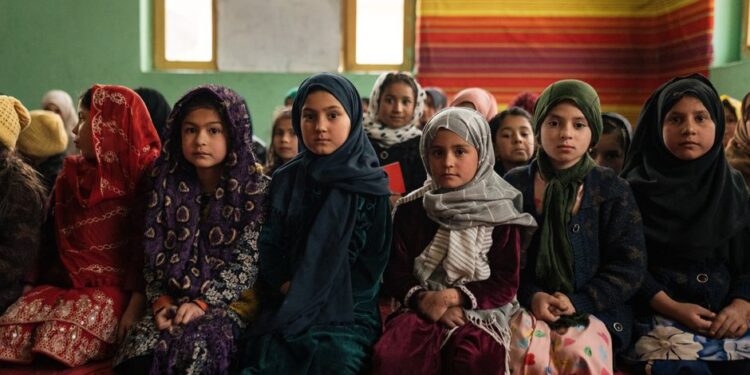
Amidst Taliban-imposed restrictions on education for girls, clandestine schools are emerging in Afghanistan. This underground movement reflects the resilience of Afghan girls and the crucial role of educators in covert settings.

Afghanistan — Under Taliban rule, girls cannot receive an education beyond the sixth grade. However, secret schools have emerged across the country. These schools allow young women to pursue their education in hiding. This underground movement shows the determination of Afghan girls to learn, despite the risks involved.
These secret schools operate in hidden locations. They often change places to avoid detection by Taliban authorities. Educators and volunteers risk their lives to teach subjects like math, science, and literature. This movement is not just about education; it symbolizes resistance against oppression.
The Emergence of Clandestine Schools
The rise of clandestine schools in Afghanistan responds to the Taliban’s strict educational policies. After the Taliban regained control in 2021, they imposed severe restrictions on girls’ education. This effectively banned girls from attending school beyond the sixth grade. In response, many families and educators formed underground networks to continue teaching girls.
According to a report by vice.com, these secret schools have become a lifeline for Afghan girls. They provide a safe space for learning and foster a sense of community among students and teachers. These schools often operate in homes, basements, or other discreet locations to avoid being found.
Educators involved in this movement face many challenges. They navigate a landscape filled with fear and uncertainty. The Taliban’s enforcement of educational bans can lead to severe consequences. Yet, these educators remain committed to providing knowledge and skills to young women.
Career Ahead’s analysis shows that this rise in clandestine education reflects a significant gap in educational access for women in Afghanistan. The determination of Afghan girls to learn may signal a shift in future educational policies. The international community is beginning to recognize the importance of education for all, regardless of gender.
Career Ahead’s analysis shows that this rise in clandestine education reflects a significant gap in educational access for women in Afghanistan.
Moreover, the existence of these secret schools raises questions about the future of education in Afghanistan. Will the international community support these initiatives, or will they continue to operate in the shadows?
Impact on Female Education in Afghanistan
The impact of clandestine schools on female education in Afghanistan is profound. These institutions provide academic knowledge and empower girls to challenge societal norms. By pursuing education, Afghan girls assert their rights and seek a better future.
As reported by cbc.ca, many students express a strong desire to learn, despite the risks. They understand that knowledge is a powerful tool for change. Educators share this belief, emphasizing that educating girls is crucial for the country’s development.
However, challenges remain significant. The Taliban’s oppressive policies create an environment of fear. This makes it difficult for schools to operate openly. Educators often change locations frequently and teach in secret, complicating the learning process.
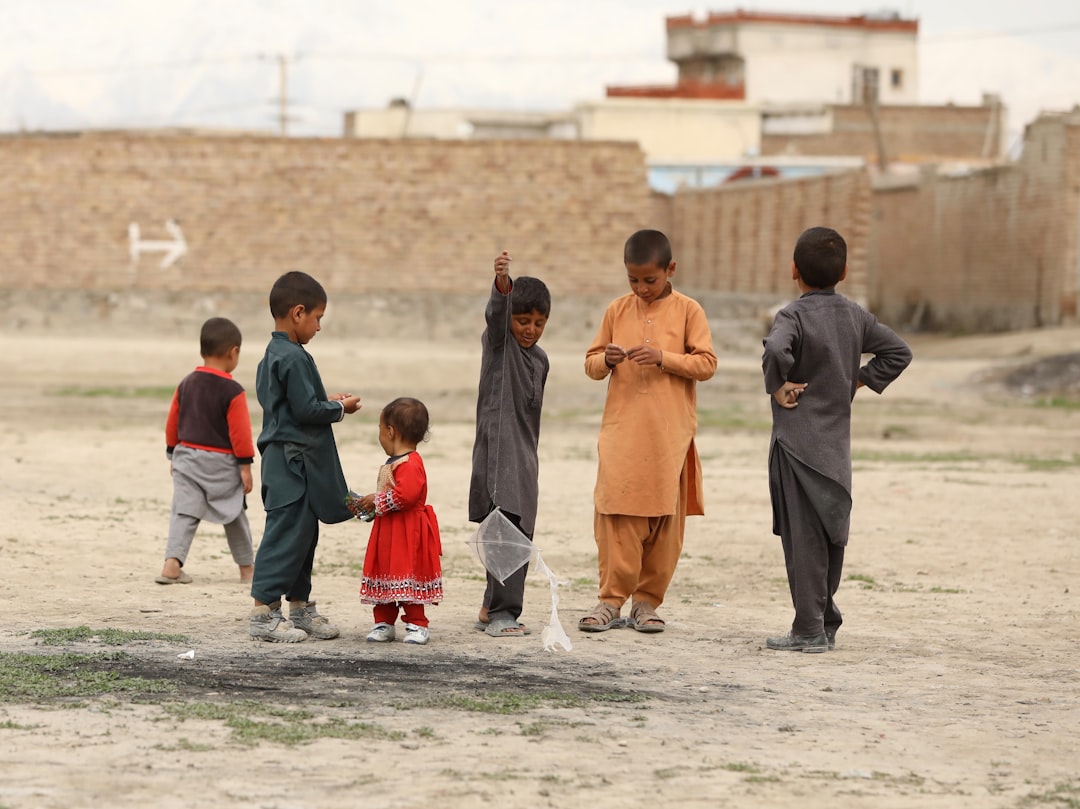
Despite these hurdles, the resilience of Afghan girls and their educators shines through. Their commitment to learning in the face of adversity highlights education as a fundamental human right. The actions of these girls and their teachers may inspire future generations to continue fighting for their rights.
Career Ahead research finds that the international response to the situation in Afghanistan could shape the future of education for girls. If global organizations recognize the importance of supporting clandestine education, it could lead to a more secure learning environment for Afghan girls.
Career Ahead research finds that the international response to the situation in Afghanistan could shape the future of education for girls.
The Role of Educators in Covert Settings
Educators play a vital role in the success of clandestine schools in Afghanistan. They are not just teachers but also advocates for girls’ rights and empowerment. Their dedication to educating young women under dangerous conditions is commendable.
Many educators have formed networks to share resources and teaching methods. This enhances the quality of education in these covert settings. They often use creative teaching techniques to engage students and make learning effective, despite limited resources.
Moreover, the emotional support provided by these educators is invaluable. They create safe spaces where students can express themselves and share their experiences. This emotional aspect of education is crucial in a country where girls face significant societal pressures.
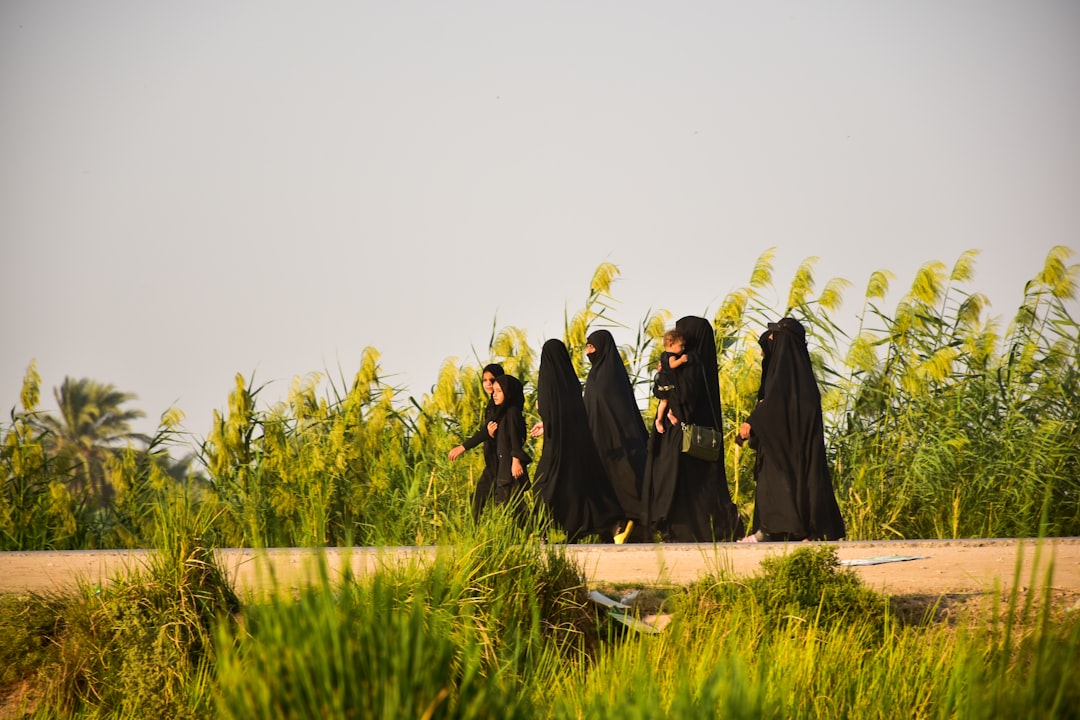
As reported by service95.com, the commitment of these educators often extends beyond academics. They serve as mentors and role models, inspiring girls to dream big and strive for a better future. This holistic approach to education can have lasting effects on the lives of these young women.
Looking ahead, the role of educators in Afghanistan will be critical in shaping the future of female education. Their efforts may influence policy changes and encourage broader acceptance of girls’ education within Afghan society.
Educators can support clandestine learning environments by forming networks to share resources and teaching strategies.
The ongoing situation in Afghanistan presents a complex landscape for education. As the international community observes the resilience of Afghan girls and their educators, the question remains: how will the global response evolve to support these brave individuals striving for education?
Frequently Asked Questions
What resources are available for Afghan girls seeking education?
Career Ahead’s analysis shows that various clandestine schools have emerged across Afghanistan. They provide resources and support for girls seeking education. These schools often rely on local communities and international organizations for materials and funding.
How can educators support clandestine learning environments in Afghanistan?
Educators can support clandestine learning environments by forming networks to share resources and teaching strategies. Collaboration among educators enhances the quality of education and provides a support system for those teaching in dangerous conditions.
What strategies can Afghan girls use to continue their education despite restrictions?
Afghan girls can continue their education by seeking out clandestine schools and forming study groups within their communities. Building a support network among peers helps foster resilience and determination to pursue their education.
Written by Career Ahead AI. AI can make mistakes, so verify key facts. Report errors to support@careeraheadonline.com.