No products in the cart.

AI Adoption Challenges and Solutions
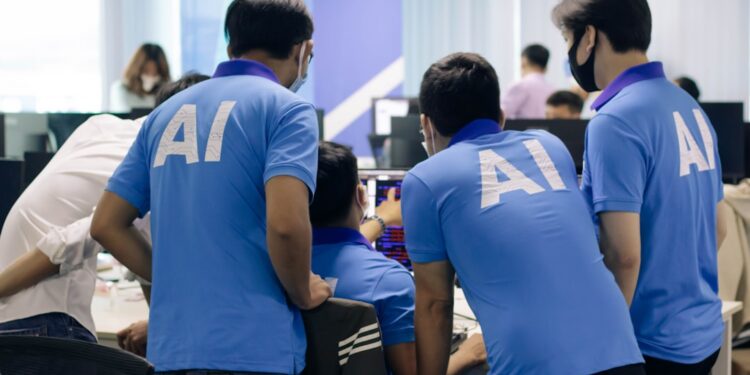
AI adoption is reshaping workplaces, yet many organizations face significant resistance from employees. This article explores the complexities of AI integration and offers strategies for overcoming challenges.

AI adoption is reshaping workplaces globally, but many organizations encounter significant resistance from employees. This resistance can undermine the potential benefits of AI, leading to a productivity gap. Understanding the root causes of this resistance is crucial for leaders aiming to integrate AI successfully.
The integration of AI technologies is not just a technical challenge; it is a deeply human one. According to Knowledge at Wharton, 31% of U.S. knowledge workers admit to actively resisting their company’s AI initiatives. This statistic highlights the urgency for leaders to address employee concerns and motivations.
Understanding Employee Resistance
Resistance to AI often stems from psychological factors. Employees may feel threatened by AI’s potential to redefine their roles or diminish their expertise. This fear can lead to disengagement with AI tools, as many workers prefer to avoid using them altogether. Generational differences also play a role; for instance, 41% of Gen Z workers report resisting AI initiatives compared to older generations. This divide suggests that younger workers may have different expectations and experiences with technology in the workplace.
Additionally, a lack of clear communication from leadership can exacerbate resistance. When employees do not understand the purpose or benefits of AI tools, they are less likely to adopt them. This underscores the importance of transparency in the integration process.
Strategies for Effective AI Integration
To overcome resistance, organizations must implement strategies that align with employees’ psychological needs. Training programs should be tailored to individual needs rather than adopting a one-size-fits-all approach. Knowledge at Wharton suggests that hands-on experimentation and role-specific learning can enhance competence and engagement. This personalized approach allows employees to feel more in control of their learning and work processes.
Strategies for Effective AI Integration To overcome resistance, organizations must implement strategies that align with employees’ psychological needs.
Furthermore, redesigning workflows to enhance human-AI collaboration can significantly improve acceptance. Instead of simply adding AI to existing processes, organizations should rethink how tasks are assigned. Automating repetitive tasks while allowing humans to focus on areas requiring creativity and judgment can increase productivity and foster a sense of ownership among employees.
You may also like
 Entrepreneurship & Business
Bajaj Finance set to mop up Rs 17,500 crore via QIP, warrants
Bajaj Finance plans to raise ₹17,500 crore through a qualified institutional placement (QIP) and warrants, marking its first major capital raise since November 2023. This…
Read More →Global Perspectives on AI Adoption
The challenges of AI adoption are not unique to any single country or region. For instance, in India, businesses are grappling with similar resistance issues, intensified by the pandemic. The rapid shift to digital solutions has left many workers feeling overwhelmed and uncertain about their roles.
In contrast, countries like the United States and parts of Europe are seeing varying degrees of success with AI integration. Companies in these regions often invest heavily in training and support systems to ease the transition. This disparity highlights the importance of context in understanding AI adoption challenges.
Navigating Ethical Concerns and Workforce Impact
Despite the clear benefits of AI, debates continue regarding its impact on the workforce. Critics argue that AI could lead to job losses and increased inequality, while proponents believe it will create new opportunities and enhance productivity. This contradiction complicates the narrative around AI adoption, making it essential for leaders to navigate these discussions carefully.
Moreover, ethical implications of AI, such as bias in algorithms and workplace surveillance, are increasingly relevant. These issues can amplify resistance among employees who feel their privacy and job security are at stake. Acknowledging these concerns is crucial for fostering trust and acceptance.
In contrast, countries like the United States and parts of Europe are seeing varying degrees of success with AI integration.

Preparing for the Future of AI in Workplaces
The future of AI in workplaces hinges on how effectively organizations can address resistance and integrate technology. As AI continues to evolve, so too will the strategies for its adoption. Companies that prioritize employee engagement and psychological safety are likely to succeed in this new landscape.
As generational shifts occur in the workforce, expectations around technology will continue to change. Younger workers will demand more intuitive and supportive AI tools. This evolution will require organizations to stay agile and responsive to employee needs.
You may also like
 Entrepreneurship & Business
Zoho Arattai Challenges WhatsApp Business Pricing | Career Outlook
Arattai for Business is designed to facilitate communication within organizations and with customers. According to Zoho's founder, Sridhar Vembu, the platform not only supports messaging…
Read More →Ultimately, the successful integration of AI will depend on a collaborative approach that values employee input and addresses concerns. By fostering an inclusive environment, organizations can turn resistance into acceptance, paving the way for innovation and growth.