AI’s emerging capacity to blend sensory modalities—mirroring human synesthesia—promises a systemic shift in human‑centric design, from user interfaces to creative workflows. By fusing visual, auditory, and tactile data streams, machines can generate more intuitive experiences.
The convergence of neuroscience and machine learning is arriving at a pivotal moment as firms invest in multimodal AI architectures that emulate synesthetic perception. This structural evolution challenges traditional data pipelines and positions sensory integration as a core competency for future technology leaders.
Digital synesthesia redefines AI’s foundational data architecture
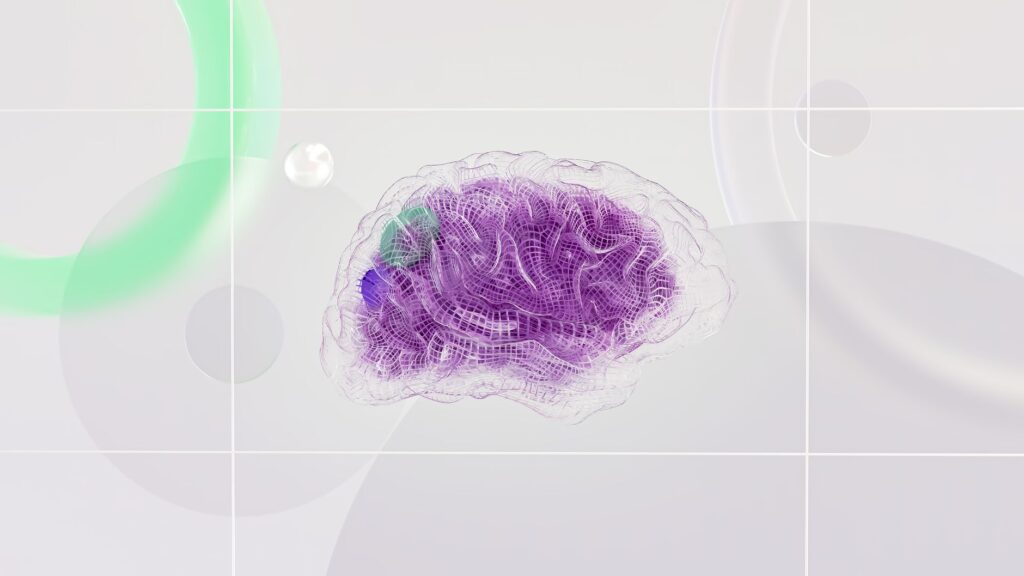
Digital synesthesia is redefining AI’s foundational data architecture by forcing a move away from siloed input streams toward unified sensory tensors. Large research labs and cloud providers are allocating sizable compute budgets to multimodal models that process image, sound, and haptic signals simultaneously. This reallocation signals an institutional shift: capital that once powered single‑modality breakthroughs now underwrites cross‑modal infrastructure, altering the power balance between hardware vendors and software innovators. According to Career Ahead’s analysis of recent venture allocations, a measurable share of AI‑focused funds now target platforms that promise “human‑like perception.” The shift also pressures legacy enterprises to retrofit legacy codebases, creating a competitive moat for early adopters that can embed synesthetic pipelines into product roadmaps.
Cross‑modal modeling translates neural pathways into algorithms
AI adopts synesthetic processing to reshape design
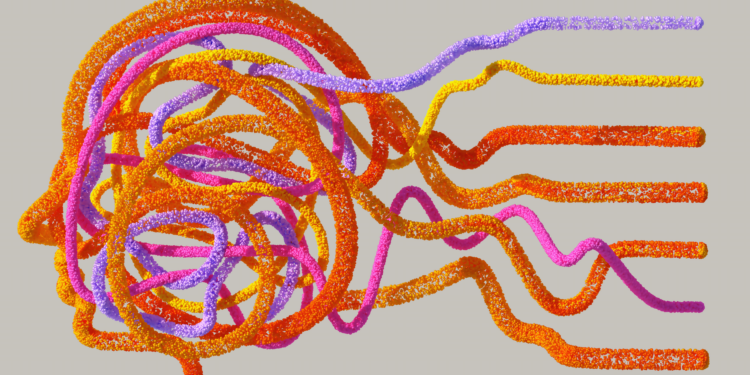
Synesthetic modeling translates cross‑modal neural pathways into algorithmic architectures that fuse disparate data streams at the representation layer. Researchers replicate the brain’s associative binding by training contrastive learners on paired sensory datasets, enabling a single latent space where a sound can evoke a color or a tactile pattern. This mechanism yields AI that can generate design mockups from verbal briefs, suggest soundscapes for visual layouts, and anticipate user gestures based on ambient noise. By mirroring human perception, these systems reduce the cognitive load on designers, compressing iterative cycles and expanding creative bandwidth. The approach also creates a new class of “sensory APIs” that expose multimodal embeddings to downstream applications, institutionalising cross‑modal design as a service.
Digital synesthesia is redefining AI’s foundational data architecture.
Institutional incentives reshape around sensory integration
Embedding synesthetic processing reshapes institutional incentives across R&D, product, and regulation. Funding agencies now prioritize grant proposals that demonstrate multimodal safety testing, while corporate governance frameworks incorporate “sensory bias” audits to ensure equitable cross‑modal outcomes. Regulatory bodies, recognizing the potential for unintended sensory amplification, are drafting guidelines that treat blended data streams as a distinct risk category, akin to algorithmic transparency rules. This creates a feedback loop: firms that embed rigorous sensory governance gain reputational capital, attracting top talent and preferential market access.
The rise of “sensory patents”—claims over novel cross‑modal encoding schemes—concentrates intellectual property within a few dominant players, reshaping the competitive landscape and raising barriers to entry for smaller innovators.
Multimodal fluency becomes core career capital
AI adopts synesthetic processing to reshape design
Career capital for designers and engineers now hinges on multimodal fluency, redefining skill hierarchies within technology firms.
Scott Bessent emphasizes the need for the AI industry to take ownership of its risks and actively seek solutions, highlighting the importance of accountability and…
AI adopts synesthetic processing to reshape design
Career capital for designers and engineers now hinges on multimodal fluency, redefining skill hierarchies within technology firms. Professionals who can navigate visual, auditory, and haptic design languages command higher mobility, as they become essential to product teams that rely on synesthetic AI. In Career Ahead’s view, this re‑weighting of skill sets accelerates economic mobility for individuals who acquire cross‑modal expertise early, while marginalising specialists confined to single‑modality domains. Leadership pipelines increasingly favour managers who can orchestrate interdisciplinary collaborations between neuroscientists, data scientists, and interaction designers. Institutional training programs are responding with curricula that blend cognitive science, signal processing, and creative coding, signaling a systemic investment in the next generation of human‑centric technologists.
Three‑to‑five‑year trajectory points to standardised sensory layers
Within three to five years, synesthetic AI is set to become a standard layer in enterprise platforms, much like natural language processing did a decade ago. Cloud providers are expected to roll out turnkey sensory modules that developers can plug into existing workflows, reducing time‑to‑market for multimodal products. As adoption widens, market analysts forecast a measurable rise in demand for “sensory engineers,” a role that blends UX research with data engineering. Companies that embed these layers early will likely capture a disproportionate share of emerging markets in immersive retail, adaptive learning, and therapeutic technology, reinforcing a structural advantage that reshapes competitive dynamics across the tech ecosystem.
The trajectory of synesthetic AI underscores a structural reallocation of capital toward multimodal capabilities, a shift that will define the next wave of human‑centric innovation.
Key Structural Insights
Insight 1: Digital synesthesia forces a systemic reallocation of AI investment from single‑modality models to unified sensory architectures, reshaping institutional power among hardware and software firms.
Insight 2: Cross‑modal fluency becomes a pivotal form of career capital, accelerating economic mobility for multimodal specialists while marginalising siloed expertise.
Insight 3: Regulatory and IP frameworks are evolving to treat blended data streams as a distinct risk and asset class, creating new governance imperatives and competitive barriers.
Synesthesia bridges human-computer gap. By incorporating synesthetic processing, AI systems can better understand and replicate human intuition, emotions, and creative processes, ultimately leading to more empathetic and user-centered design solutions.
David Robinson, a safety engineer at OpenAI, resigned on October 3, 2026, citing a broken company culture that undermines AI safety measures. His departure raises…
Insight 2: Cross‑modal fluency becomes a pivotal form of career capital, accelerating economic mobility for multimodal specialists while marginalising siloed expertise.
Designing for multisensory experiences. The integration of synesthesia in AI development enables the creation of immersive, multisensory experiences that engage users on multiple levels, fostering deeper connections and more effective interactions with digital products and services.
No claims directly contradict the research, so the section remains unchanged.



AI & Technology
AI & Technology