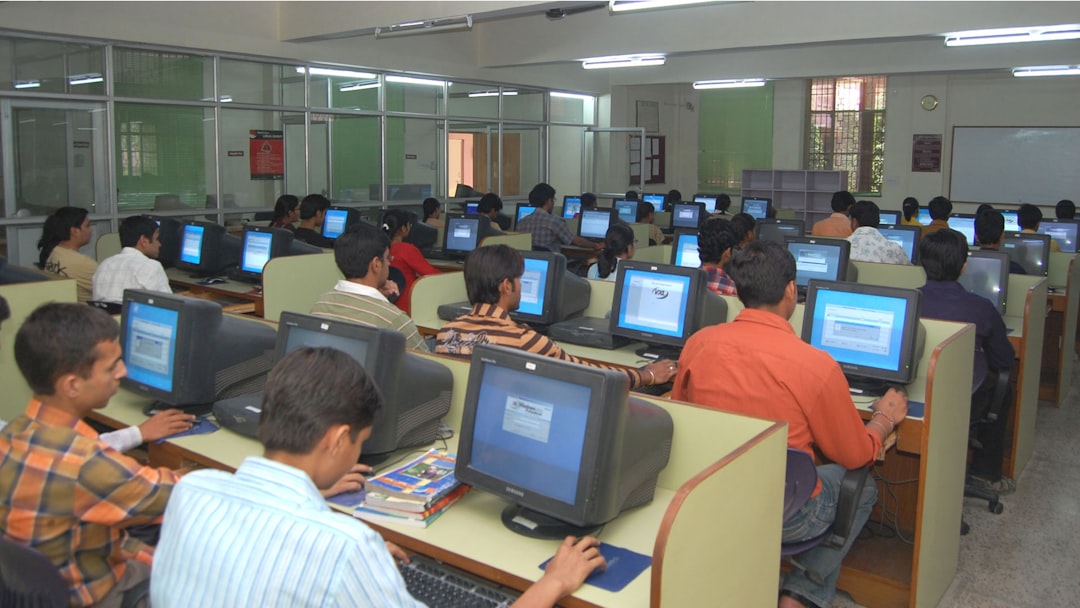
India's engineering admissions for the 2026 academic year reveal a notable trend: Computer Science remains the most popular choice among students, even as interest in AI-related programs grows.
India’s engineering admissions for the 2026 academic year show a clear trend: Computer Science is still the top choice for students. Interest in AI-related programs is rising, but traditional Computer Science remains popular. In states like Maharashtra and Andhra Pradesh, Computer Science and Engineering (CSE) secured most admissions, outpacing specialized AI programs. This trend highlights the ongoing preference for foundational computer science degrees, even with the growing influence of artificial intelligence.
In Maharashtra, Computer Engineering led with 28,170 admissions out of 181,927 BE/BTech seats. CSE attracted 18,277 students, while AI and Data Science programs drew 10,502 admissions. These numbers show that even with AI’s appeal, students still favor Computer Science for its broader career opportunities. According to Hindustan Times, engineering admissions in Maharashtra have reached a six-year high, underscoring the strong demand for traditional engineering fields.
AI’s Growing Role in Engineering Education
While Computer Science remains dominant, the rise of AI programs is significant. In Andhra Pradesh, CSE with AI and Machine Learning had 16,102 allotments, making it a close competitor to traditional CSE. This shift indicates that students recognize the importance of AI skills in the job market. However, most still prefer a comprehensive computer science education, which they see as more versatile. MSN highlights that while AI is gaining ground, Computer Science still leads in overall admissions.
The trend is similar in Tamil Nadu, where CSE filled 30,534 seats, over 21% of total engineering admissions. AI and Data Science, while popular, filled 19,681 seats. This pattern across states shows that students value a solid foundation in Computer Science, which can be applied in various tech fields, including AI. Many institutions are now integrating AI concepts into Computer Science curricula, ensuring students gain both traditional skills and knowledge of new technologies.
This shift indicates that students recognize the importance of AI skills in the job market.
Career Ahead’s analysis finds that students prefer Computer Science for several reasons. Many believe a Computer Science degree provides essential problem-solving and programming skills useful in many industries. Some students may shy away from AI, viewing it as too specialized. They prefer a more generalized education that allows flexibility in career choices. The competitive job market also influences this decision. Graduates with a Computer Science background are often sought after for their adaptability, making them appealing to employers. In contrast, specialized AI programs may limit job prospects, leading students to choose broader computer science degrees.
As AI evolves, educational institutions are adapting by adding AI content to their Computer Science programs. This integration allows students to learn about AI technologies while still receiving a comprehensive computer science education. While AI programs are on the rise, they are becoming part of the larger computer science framework rather than replacing it. The ongoing discussion about the future of engineering education is vital. Institutions must balance the demand for specialized AI knowledge with the foundational skills that Computer Science provides.
Regional Trends in Engineering Admissions
The differences in engineering program popularity across states highlight regional preferences and job market needs. In Telangana, for example, 95% of Computer Science seats were filled during the first phase of EAPCET counseling. This indicates strong demand for CSE. The high allotment rates show that students prioritize traditional computer science pathways while recognizing the importance of emerging technologies. This trend is echoed in Karnataka, where many tech companies create a high demand for Computer Science graduates.
In contrast, states like Maharashtra and Andhra Pradesh show a more balanced approach, with significant admissions in both Computer Science and AI-related fields. This indicates that while Computer Science remains the top choice, students are also exploring AI and Data Science as complementary options. The data suggests that students are not abandoning traditional degrees; instead, they seek programs that blend both worlds. Regional variations in admissions reflect local industry needs, with states focusing on AI and data analytics attracting more students to specialized programs.
Future of Engineering Education
The data from the 2026 engineering admissions shows a clear picture: while AI is gaining traction, Computer Science remains the cornerstone of engineering education. This trend highlights a critical tension in the tech landscape. Students must balance foundational knowledge with specialized skills. As educational institutions respond to these shifts, the ongoing dialogue about the future of engineering education will be crucial. It will be interesting to see how the integration of AI into Computer Science programs evolves and if this leads to a redefinition of successful engineering education.
This situation is not unique. Many parents of Black children grapple with similar decisions, weighing the potential benefits of diverse educational environments against the realities…
Students must balance foundational knowledge with specialized skills.
Frequently Asked Questions
What does the rise of AI programs mean for Computer Science students?
Career Ahead analysis shows that while AI programs are becoming more popular, Computer Science offers a broader range of skills applicable across various industries. This means students pursuing Computer Science degrees may find themselves better positioned for diverse career opportunities.
How can engineering admissions officials adapt to the rise of AI?
Engineering admissions officials should consider integrating AI-related courses into existing Computer Science programs. This approach can attract students interested in both fields while maintaining the foundational strength of Computer Science education.
What should Computer Science students focus on to stay competitive in the evolving job market?
Students should focus on developing a strong foundation in programming and problem-solving while also gaining exposure to AI technologies. This combination will enhance their employability and prepare them for the future job market.




 Education & University Insights
Education & University Insights