

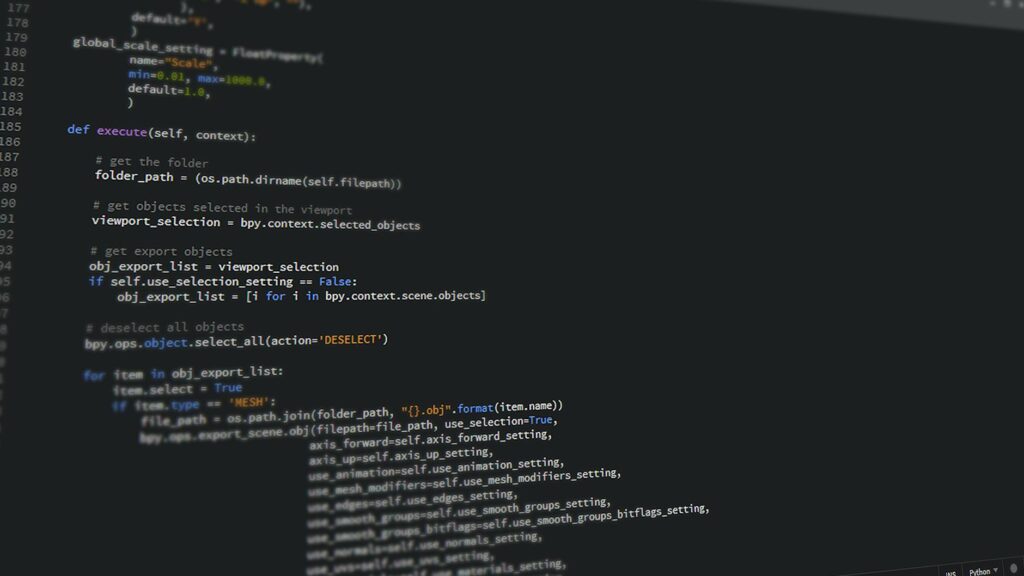
Junior programmers are being squeezed out of entry-level jobs as AI tools take over routine coding tasks.
The Rise of AI Coding assistants
AI tools like GitHub Copilot, microsoft‘s CodeWhisperer, and Amazon’s CodeGuru are changing the game for junior developers. These tools can write functions, suggest refactors, and even debug with a single prompt, making it easier for teams to ship features faster and cut costs. However, this shift raises concerns about the role of junior developers and the skills they need to acquire.
A recent CIO survey found that 62% of firms plan to expand AI-assisted coding within the next year, citing cost cuts and faster delivery as primary drivers. But what does this mean for junior developers who once spent weeks learning syntax? The upside is obvious: teams ship features faster and budgets shrink. The downside is that the very tasks that used to be a learning ground are now outsourced to a model trained on millions of public repositories.
However, this shift raises concerns about the role of junior developers and the skills they need to acquire.
The Changing Landscape of Software Development
The surge in AI coding assistants is part of a broader automation wave that began with low-code platforms a decade ago. The pandemic accelerated this trend; remote teams needed rapid prototyping, and AI promised to bridge the gap. According to a 2025 Gartner report, low-code and AI-assisted development grew 45% year-over-year, outpacing traditional coding by a wide margin.
At the same time, the industry’s appetite for speed has intensified. Product cycles that once spanned six months now demand releases every two weeks. Executives point to AI as a way to meet these timelines without hiring senior engineers for every task. However, the same report warns that over-reliance on AI can embed hidden technical debt, as models sometimes hallucinate imports or ignore project-specific conventions.
The Impact on Junior Developers’ Careers
If AI continues to handle boilerplate and routine debugging, demand for entry-level coders could shrink dramatically. Junior engineers who lean heavily on suggestions may never master core concepts like algorithmic thinking or memory management. A Reddit thread from r/webdev illustrates the problem: a senior developer complained that a junior pushed AI-generated code that “worked” but broke under edge cases, forcing the senior to spend hours fixing it.
Strategies for Junior Developers to Thrive
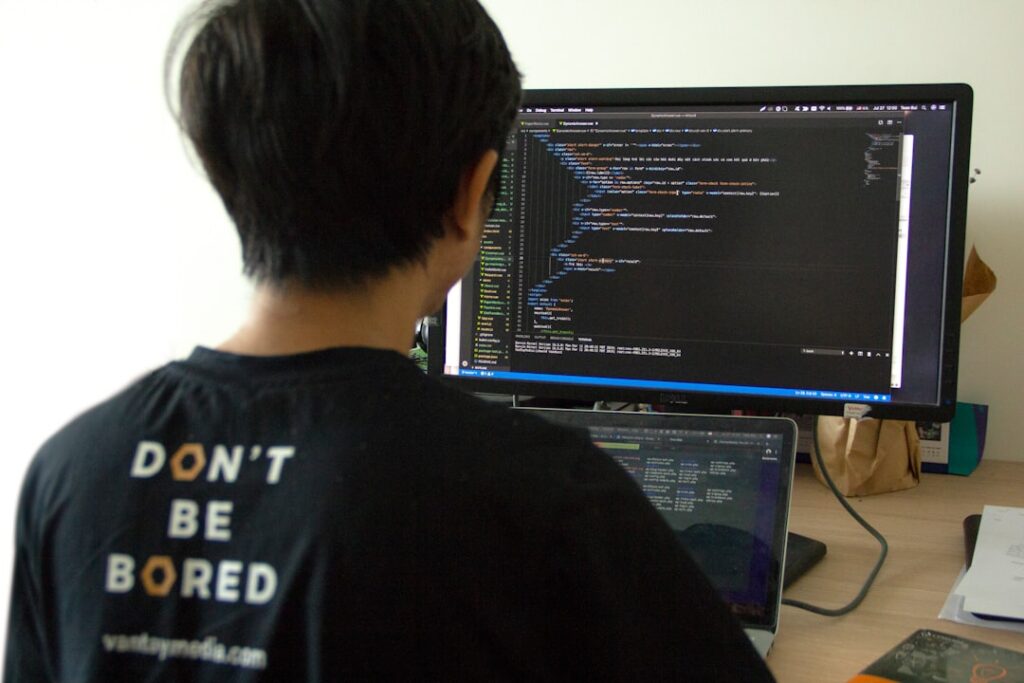
The threat is not a death sentence. Junior developers can future-proof their careers by focusing on skills AI cannot replicate. Critical thinking, problem decomposition, and clear communication remain essential. When a junior can explain why a piece of code works, they become an invaluable reviewer of AI output. Companies also have a role to play by launching internal “AI-augmented developer” bootcamps, pairing newcomers with mentors who teach prompt engineering and code validation.
 Career Guidance
How to Switch Industries Mid-Career Without Starting Over
Bridge roles can reduce risk, while targeted skills and industry-specific applications help you make the case for a new field.
Read More →The Future of Software Development and Junior Developers
The most realistic scenario is a hybrid ecosystem where AI assists but does not fully replace human judgment. In such a world, junior developers become “AI overseers,” tasked with reviewing, testing, and contextualizing machine-generated code. Those who master this oversight role will find steady demand. Education systems must adapt by adding courses on prompt engineering and AI ethics to computer-science curricula.
Written by Career Ahead AI. AI can make mistakes, so verify key facts. Report errors to support@careeraheadonline.com.





