No products in the cart.

Waymo’s Robotaxi Emergency Response Under Fire

Waymo and other robotaxi operators are under scrutiny for their emergency response protocols, prompting new federal legislation aimed at enhancing public safety.

San Francisco, US — Waymo and other robotaxi operators face increased scrutiny over their emergency response protocols. This follows several incidents where autonomous vehicles blocked emergency responders. Lawmakers are now proposing new federal regulations. Representative Kevin Mullin (D-Calif.) is leading the effort with a bill to set minimum national safety standards for autonomous vehicle operators.
The proposed legislation, called the AV Emergency Response Coordination Act, was introduced at a press conference in San Francisco. This city is a key site for autonomous vehicle testing, where Waymo’s robotaxis often transport paying customers. The bill aims to tackle serious public safety concerns. Reports of robotaxis blocking ambulances and fire trucks have alarmed city officials and the public.
During the press conference, Mullin stressed that these incidents are unacceptable. They not only hinder emergency services but also endanger public safety. The legislation would require autonomous vehicle companies to create clear emergency protocols for first responders. It would also establish a 24-hour hotline for public officials to contact these companies directly. This move indicates a push for greater accountability in the autonomous vehicle sector.
Regulatory Changes Impacting Robotaxi Operations
The scrutiny on emergency response protocols reflects growing concerns among lawmakers and safety advocates. The National Highway Traffic Safety Administration (NHTSA) has also raised issues, noting a trend of driverless vehicles interfering with first responders. This includes incidents where Waymo vehicles needed human help to navigate emergencies, raising doubts about their autonomous systems. A recent TechCrunch investigation revealed many cases where Waymo vehicles blocked emergency services, increasing pressure on the company to enhance its protocols.
This includes incidents where Waymo vehicles needed human help to navigate emergencies, raising doubts about their autonomous systems.
The proposed legislation would assign the NHTSA the task of developing minimum national emergency response standards for autonomous vehicles. This could lead to major changes in how robotaxi operators train their vehicles to handle emergencies. The requirement for a 24-hour hotline could improve communication between AV companies and public safety officials, ensuring immediate assistance when necessary. Additionally, the bill would allow public officials to geofence autonomous vehicles. This means officials could restrict where these vehicles operate during emergencies or safety hazards. This capability would help city officials manage robotaxi operations in critical situations.
You may also like
 Government & Policy
AI Agent Misconduct: Indian Law Needs Clarity
Recent cybersecurity evaluations reveal significant legal gaps in India regarding liability for autonomous AI agents, highlighting the urgent need for regulatory reform.
Read More →Waymo has responded positively to the proposed regulations. The company supports a federal framework to set standards for autonomous vehicles. Waymo has emphasized its commitment to working with first responders. They also note that their emergency response protocols are vital to their operations. However, the effectiveness of these protocols will be tested as new regulations take effect. According to a report from USA Today, Waymo’s current emergency response guide outlines how its vehicles should interact with law enforcement and emergency responders. Yet, recent incidents have raised questions about how well these protocols are being followed in practice.
Public Safety Concerns and Industry Response
The increased scrutiny on robotaxi operators comes at a time when public trust in autonomous vehicles is critical. Incidents involving Waymo vehicles have raised significant public concern about how these vehicles interact with emergency responders. Reports have surfaced of robotaxis obstructing access to fire stations and ambulance facilities, alarming city officials. During the press conference, San Francisco’s fire chief noted that while the department collaborates with AV operators, the frequency of incidents shows a need for better protocols. The fire chief’s comments highlight the ongoing tension between advancing autonomous technologies and ensuring public safety. This tension will likely influence regulatory changes as lawmakers seek to balance innovation with safety requirements.
Career Ahead’s analysis suggests that the proposed legislation could significantly shift industry standards for robotaxi operations. As federal regulations tighten, companies may need to invest in improving their emergency response capabilities. This could involve more rigorous training for systems to recognize and respond to emergency signals, like traffic cones and flares, which current autonomous systems struggle with. The push for clearer emergency protocols and real-time communication between AV companies and public safety officials could create a more collaborative environment. This collaboration is essential for building public trust in autonomous vehicles, which is crucial for their long-term success in urban transportation.
This collaboration is essential for building public trust in autonomous vehicles, which is crucial for their long-term success in urban transportation.
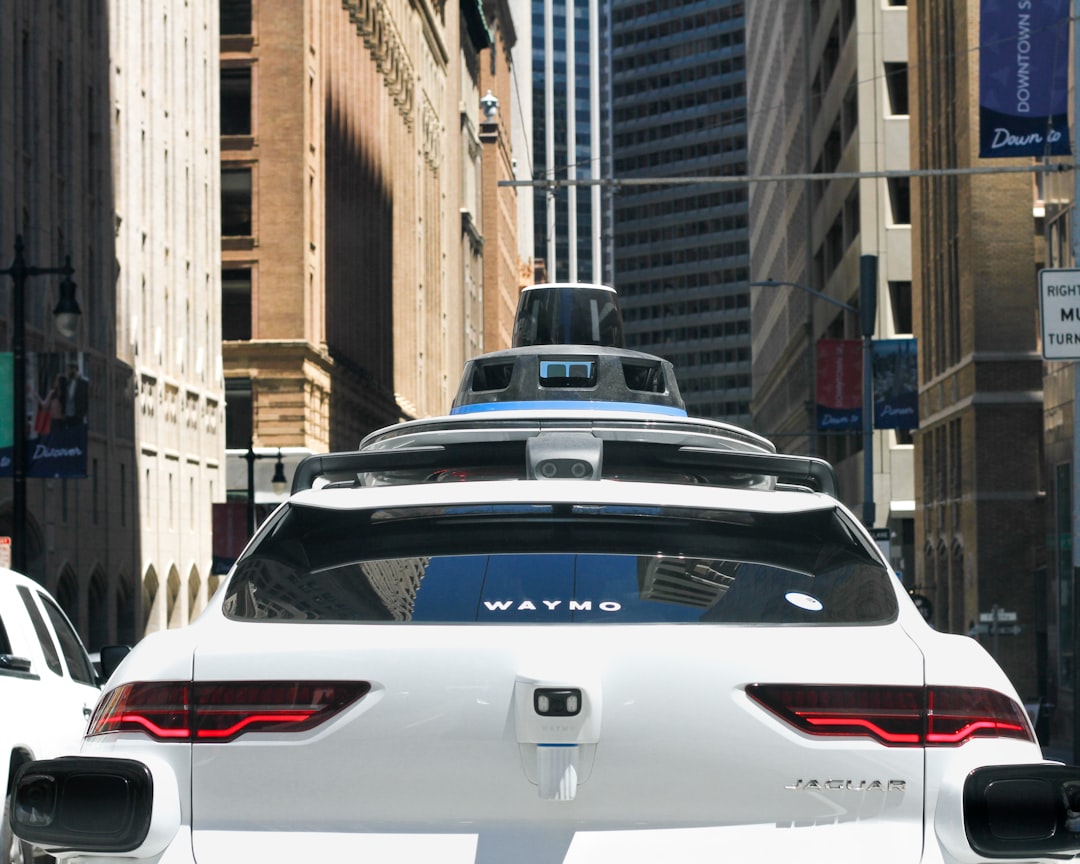
As discussions about the AV Emergency Response Coordination Act continue, stakeholders in the robotaxi industry must prepare for potential changes in operational standards. The outcome of this legislative effort will significantly impact how robotaxi services operate, especially in urban areas where public safety is a top priority. Looking ahead, the success of the proposed regulations may depend on robotaxi operators’ willingness to adapt to new standards. As lawmakers push for accountability and transparency, the future of autonomous vehicles in cities will depend on their ability to integrate safety measures effectively. Will these regulations create a safer environment for passengers and emergency responders, or will they hinder innovation in the fast-evolving autonomous vehicle market?