No products in the cart.

AI Chip Demand Fuels 49.7% Surge

South Korea's semiconductor exports surged by 49.7% in June 2026, driven by global demand for AI chips, highlighting the country's pivotal role in the semiconductor market and the need for skilled engineers and optimized supply chains.

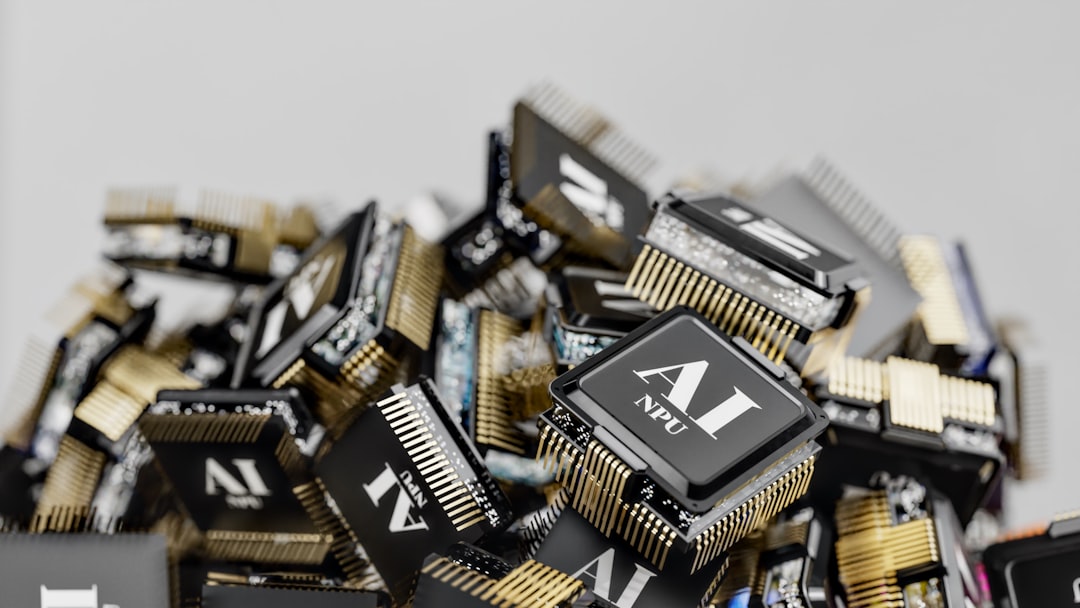
South Korea’s export growth remained strong in early June 2026. Exports rose by 49.7% compared to last year. This increase is mainly due to a boom in the semiconductor sector. The customs office reported that global demand for AI chips is driving this surge. AI chips are essential for advanced technology applications.
This growth is significant. It shows how important South Korea is in the global semiconductor market. The country’s semiconductor exports have long been a major part of its economy. This latest increase highlights the crucial role of AI advancements in boosting demand for these products.
AI Chip Demand and Its Implications for Semiconductor Engineering
The recent rise in exports shows a growing need for semiconductor engineers skilled in AI applications. As companies increase AI chip production, they need engineers to design and manufacture these complex components. Career Ahead’s analysis predicts that this trend will create thousands of new job opportunities in South Korea’s semiconductor sector.
Engineers focusing on AI chip design must understand hardware and software integration. They need knowledge of machine learning algorithms, data processing, and system architecture. The demand for these skills will likely grow as more companies invest in AI technologies to improve their products and services.
Additionally, South Korea’s semiconductor industry is a global leader. This means competition for skilled engineers is increasing. Companies will likely offer attractive salaries and benefits to attract top talent. This trend benefits engineers and strengthens South Korea’s position in the global tech landscape.
They need to equip future engineers with the right skills.
As the AI sector expands, educational institutions must adapt their programs. They need to equip future engineers with the right skills. This shift is crucial for meeting the demands of a changing job market that values expertise in AI and semiconductor technologies.
Optimizing Supply Chains in Response to Increased Chip Demand
You may also like
 Industry & Global Trends
HFCL Stock Rises Amid AI, Defence Demand
HFCL's stock has tripled in the last six months, driven by a surge in orders for artificial intelligence and defence, indicating a growing demand for…
Read More →The rise in semiconductor exports highlights the need for effective supply chain management. With AI chip demand soaring, companies must optimize their supply chains. This ensures timely delivery and production efficiency. Career Ahead research shows that firms with agile supply chain strategies will have a competitive edge.
Supply chain managers should use advanced forecasting techniques and real-time data analytics. This helps them anticipate demand changes and adjust production schedules. Collaboration with suppliers is also essential to secure the materials needed for chip production.
Moreover, the global semiconductor supply chain has faced challenges in recent years. Disruptions from the pandemic and geopolitical tensions have impacted operations. Companies are now re-evaluating their supply chain strategies. They seek to build more resilient systems that can handle future shocks. This presents a chance for supply chain professionals to innovate and improve efficiency.
They seek to build more resilient systems that can handle future shocks.
Companies investing in technology and training for their supply chain teams will likely see better performance and lower costs. Integrating AI and machine learning into supply chain processes can enhance decision-making. This ultimately supports the growing demand for semiconductor products.
The Future of South Korea’s Semiconductor Industry
The implications of South Korea’s export growth go beyond job creation and supply chain improvements. The semiconductor industry is set for transformative changes as AI technologies evolve. Companies that adapt quickly will thrive, while those that do not may struggle.
As demand for AI chips increases, South Korea’s semiconductor sector will likely attract more investment and innovation. This could lead to advancements in chip design and manufacturing processes. Such progress would enhance the country’s reputation as a leader in the global market. Career Ahead’s analysis suggests that firms investing in research and development will be better positioned to seize emerging trends in AI and semiconductor technologies.
Career Ahead analysis shows that semiconductor engineers must be skilled in AI algorithms, data analytics, and system integration.

The ongoing evolution of the semiconductor industry also raises sustainability questions. As production increases, companies must consider their ecological impact. Focusing on sustainability could drive the development of greener technologies within the semiconductor sector.
You may also like
 Industry & Global Trends
Wall Street’s $10 billion India hospital bet sparks a fight over bills | Career Outlook
Wall Street's $10 billion investment in Indian hospitals raises concerns about rising healthcare costs and access to care, mirroring challenges in the U.S. healthcare system.
Read More →Looking ahead, South Korea’s semiconductor industry will depend on its ability to innovate and respond to market demands. The relationship between AI advancements and semiconductor production will shape the future of technology. This will have significant implications for engineers and supply chain managers alike.
Frequently Asked Questions
What skills do semiconductor engineers need to meet AI demand?
Career Ahead analysis shows that semiconductor engineers must be skilled in AI algorithms, data analytics, and system integration. These skills are essential for designing and manufacturing AI chips effectively.
How can supply chain managers adapt to the increasing chip demand?
Supply chain managers can adapt by using advanced forecasting techniques and real-time data analytics. This helps them respond quickly to demand changes and optimize production schedules.
What should semiconductor engineers do to capitalize on the AI boom?
Engineers should focus on acquiring skills in AI chip design and integration. Staying updated with the latest AI technologies will enhance their employability in a rapidly changing job market.