DES Pune University is embracing innovation in higher education through new leadership strategies, interdisciplinary research, and industry partnerships, aiming to prepare students for a dynamic job market.
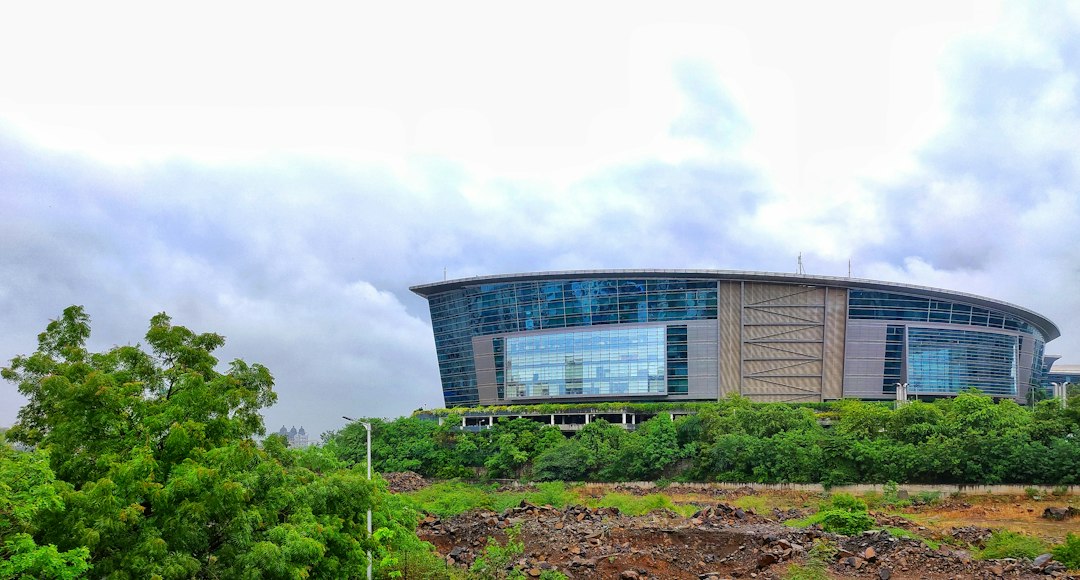
Pune, India — DES Pune University recently opened a new academic complex. This marks a significant step in its commitment to educational innovation. Maharashtra’s Minister of Higher and Technical Education, Chandrakant Dada Patil, attended the event. It symbolizes the university’s shift towards a modern educational framework under Prof Dr Ravindra Acharya and Dr Rajesh Ingle.
The leadership at DES Pune University aims to balance its rich academic tradition with the changing needs of students. Today, students seek more flexibility and measurable results from their education. The new academic complex is more than just a building; it shows a strategy to improve the university’s educational offerings and research capabilities. A report by the Economic Times highlights that the leadership wants to create a culture that combines traditional academic excellence with modern educational demands. This is essential for the university’s relevance in today’s educational landscape.
Leadership Strategies Driving Innovation
Prof Dr Ravindra Acharya, the President of DES Pune University, and Vice-Chancellor Dr Rajesh Ingle are guiding the institution towards a future focused on innovation. They stress the need for an environment that encourages interdisciplinary learning and research. This is clear in the creation of the Centre for Interdisciplinary, Integrated and Applied Research (CIIAR). This center aims to work with various sectors, including government and industry, to solve real-world problems. This initiative is vital as it aligns with the university’s goal of producing graduates who are knowledgeable and ready to address complex societal issues.
The leadership’s strategy prioritizes breadth over specialization. This allows students to gain exposure to different disciplines. Such exposure is crucial in a fast-changing job market where employers value versatile skills. The university currently has six schools covering fields from Engineering and Technology to Humanities and Social Sciences. This reflects an inclusive educational philosophy. The recent groundbreaking for the School of Science and Mathematics, which will include a collaborative Advanced Research Centre for Ecology and Conservation with Fergusson College, shows the leadership’s commitment to expanding research capabilities. This center will help address ecological challenges and reinforce the university’s dedication to national development.
Additionally, the leadership is engaging with industry partners to keep the curriculum relevant. By building partnerships with organizations, DES Pune University is positioning itself as a leader in higher education innovation. The collaboration with Fergusson College is expected to produce significant research outputs. These outputs will benefit students and contribute to broader societal advancements. According to the Economic Times, these initiatives may inspire other institutions in India to adopt similar strategies that focus on innovation and interdisciplinary collaboration.
New York City's school system remains one of the most segregated in the U.S. City leaders are now pushing for integration, but advocates emphasize the…
The university’s leadership is committed to ensuring that graduates have both theoretical knowledge and practical skills for success.
Impact on Curriculum Development and Student Outcomes
The shift towards innovation at DES Pune University is greatly affecting curriculum development. The focus on data-driven decisions and technology-assisted processes helps align academic programs with industry needs. This alignment is crucial for preparing students for the job market, where practical skills are increasingly valued. The university’s leadership is committed to ensuring that graduates have both theoretical knowledge and practical skills for success.
Faculty quality and research culture are also key to this transformation. The university is investing in faculty development and research initiatives. This ensures that educators teach effectively and contribute to their fields through research. This dual focus enhances the learning experience for students and prepares them for meaningful work after graduation. The recent convocation ceremony marked the university’s transition to a fully degree-granting institution. This change emphasizes the accountability that comes with this new structure. Leadership must ensure that graduates meet employer expectations and contribute positively to society. This accountability shapes how the institution positions itself and what it prioritizes in its mission.
Moreover, the focus on collaborative research initiatives, like those with Fergusson College, is expected to benefit students significantly. By participating in real-world projects, students will gain valuable experience that traditional classrooms may not provide. This hands-on learning approach is vital for student success in today’s competitive job market. Integrating practical experiences into the curriculum enhances student engagement and prepares them for future challenges.
The leadership at DES Pune University is not only focused on immediate changes but also on the future. As the educational landscape evolves, the university’s commitment to innovation and interdisciplinary research may position it as a leader in higher education. Other institutions may look to DES Pune University as a model for integrating innovative practices. The proactive approach of the university’s leadership may inspire educational reform across India, encouraging other universities to rethink their strategies and adopt a more dynamic educational model.
In summary, the leadership changes at DES Pune University, led by Prof Dr Ravindra Acharya and Dr Rajesh Ingle, highlight a significant shift towards innovation in academic practices. This shift involves not just infrastructure but also creating a culture of research and collaboration that prepares students for the future. The implications of these developments extend beyond the university itself. As higher education institutions across India adapt to changing demands, the strategies employed by DES Pune University may influence a broader trend towards innovation in academic leadership. The question remains: will other universities follow this path, or will they stick to traditional structures in a changing educational environment?
This hands-on learning approach is vital for student success in today’s competitive job market.
Frequently Asked Questions
What are the leadership strategies at DES Pune University?
Career Ahead’s analysis shows that leadership strategies at DES Pune University focus on interdisciplinary collaboration and innovation in curriculum development. Prof Dr Ravindra Acharya and Dr Rajesh Ingle prioritize creating an environment that supports research and practical learning for students.
How is innovation being integrated into higher education?
Innovation at DES Pune University is integrated through new research centers, data-driven curriculum development, and a focus on interdisciplinary learning. These initiatives aim to align educational offerings with industry needs, preparing students for the job market.
What should higher education administrators consider when implementing new academic structures?
Higher education administrators should align the curriculum with industry demands, foster a research culture, and promote interdisciplinary collaboration. These factors are crucial for improving student outcomes and ensuring accountability in a rapidly changing educational landscape.



Education & University Insights
 Education & University Insights