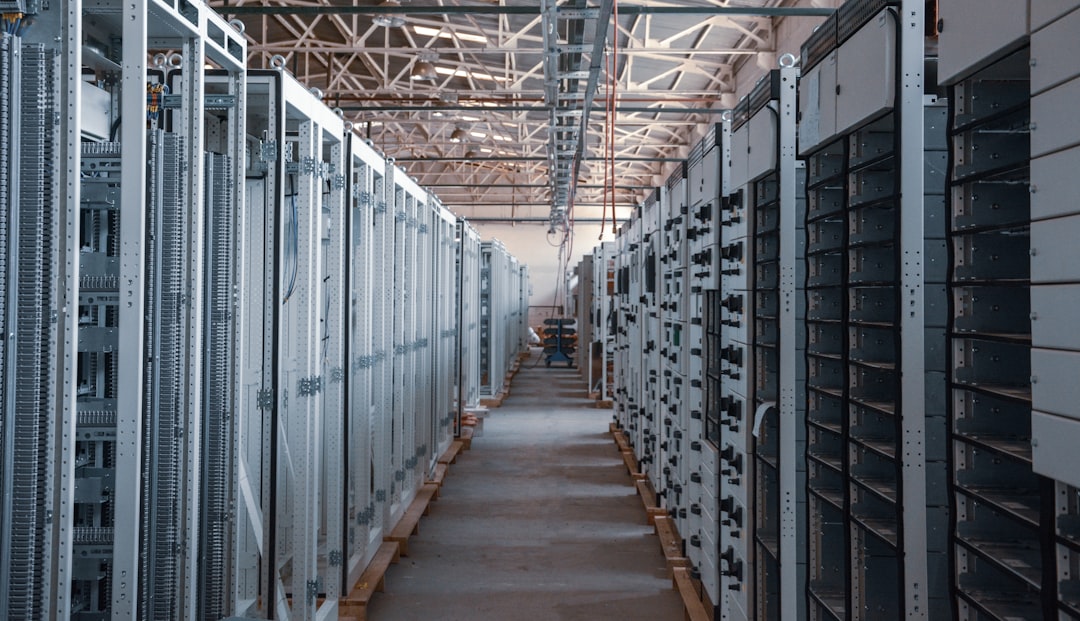
As companies invest nearly $1 trillion in AI infrastructure over two years, their water consumption is projected to grow rapidly, raising sustainability concerns.
AI data centers are using much more water than tech giants report. This raises urgent sustainability concerns. Companies like Microsoft, Google, and Amazon are under scrutiny for their water usage as demand for AI infrastructure grows. The impact on costs and the environment is becoming more significant.
These companies plan to invest nearly $1 trillion in AI infrastructure over two years. Their water consumption is expected to rise quickly. This has led to calls for better transparency in reporting water usage, especially in areas facing water scarcity. A recent report from the Hindustan Times shows that the water used at power plants for these data centers can be much higher than the water used directly by the centers. This complicates the sustainability picture.
The Hidden Costs of Water Consumption
Water use in AI data centers goes beyond the facilities themselves. A large amount is consumed at the power plants that supply electricity to these centers. A 2024 analysis by the Lawrence Berkeley National Laboratory found that indirect water consumption for data centers can be about 12 times greater than direct water use. This gap shows how tech companies report their water usage inaccurately.
For example, Google reported using 10.9 billion gallons of water in 2025, a 34% increase from the previous year, mainly for cooling. However, the company does not fully disclose the water used to generate power for its data centers. This varies widely based on the energy source. Coal and nuclear power require much more water than renewable sources like solar and wind. This lack of full reporting can lead to conflicts over water resources, especially in stressed areas.
Companies like Meta and Microsoft aim to be water positive by 2030. However, these plans often focus only on direct water use. Meta’s indirect water consumption reached 19 billion gallons in 2024, complicating its sustainability claims. Addressing both direct and indirect water usage is crucial for a sustainable model. The Ceres analysis warns that total water demands from data centers in Phoenix could exceed 20% of the city’s annual water use by 2031. This raises alarms among local governments and environmental groups.
Addressing both direct and indirect water usage is crucial for a sustainable model.
The launch comes at a time when media consumption patterns are rapidly changing. Viewers increasingly prefer on-demand content and real-time updates, prompting networks like Bloomberg…
As demand for AI grows, data center engineers must find ways to improve performance while reducing water use. For example, Nvidia has created a closed-loop cooling system that needs no extra water once filled. This could help solve the water crisis in data centers. Such innovations are vital as the industry faces pressures for both performance and sustainability.
Sustainability Practices and Regulatory Implications
The push for sustainability in tech is not just about cutting water use. It also means following regulatory requirements. Currently, no laws require comprehensive reporting of both direct and indirect water usage. This makes it hard for sustainability officers to promote better resource management within their companies. The Ceres analysis shows that total water demands from data centers in Phoenix could exceed 20% of the city’s annual water use by 2031. This raises concerns among local governments and environmental groups, leading to discussions about stricter reporting and management of water resources in tech operations.
Moreover, tech companies are increasingly aware of the link between energy and water consumption. Amazon aims to replenish more water than it uses, but its claims often overlook indirect consumption. As companies invest in renewable energy, they must also consider the water implications of their energy choices. This connection between energy and water resources highlights the need for comprehensive sustainability strategies. The State of AI Report 2025 stresses that as AI technologies evolve, so must the frameworks that govern their environmental impact.
Data center engineers and sustainability officers need to work together to implement technologies that cut water use while boosting efficiency. Innovations in cooling systems and energy management are key to achieving these goals. However, retrofitting existing data centers can be very costly. As scrutiny on water use increases, companies that ignore these issues may face reputational damage and regulatory consequences.
With the growing focus on environmental responsibility, tech giants must balance their operational needs with the need to conserve water. The question remains: how will these companies respond to the increasing pressure for transparency and sustainability in their water use? Recent reports suggest that the future of AI infrastructure will depend on how well these companies manage their water resources and meet evolving sustainability expectations.
In September, the economy added just 150,000 jobs, a stark contrast to the 200,000 jobs analysts had predicted. This slowdown comes amid ongoing inflationary pressures,…
The State of AI Report 2025 stresses that as AI technologies evolve, so must the frameworks that govern their environmental impact.
In conclusion, the water consumption of AI data centers is a critical issue that needs immediate attention from industry leaders and policymakers. As the demand for AI technologies rises, sustainable water management practices become more urgent. The future will depend on tech giants’ commitment to innovate and adopt responsible resource management strategies that align with global sustainability goals.
Frequently Asked Questions
What are the best practices for reducing water usage in data centers?
Career Ahead’s analysis shows that closed-loop cooling systems can greatly reduce water use in data centers. Using renewable energy sources also helps cut indirect water consumption.
How can sustainability officers advocate for better resource management in tech?
Sustainability officers can push for comprehensive water reporting and the adoption of innovative technologies that lower water use. Working with data center engineers can improve resource management strategies.
What technologies can help data centers minimize water consumption?
Technologies like closed-loop cooling systems and advanced energy management solutions are vital for reducing water use in data centers. These innovations lead to more efficient operations and less environmental impact.




News

News