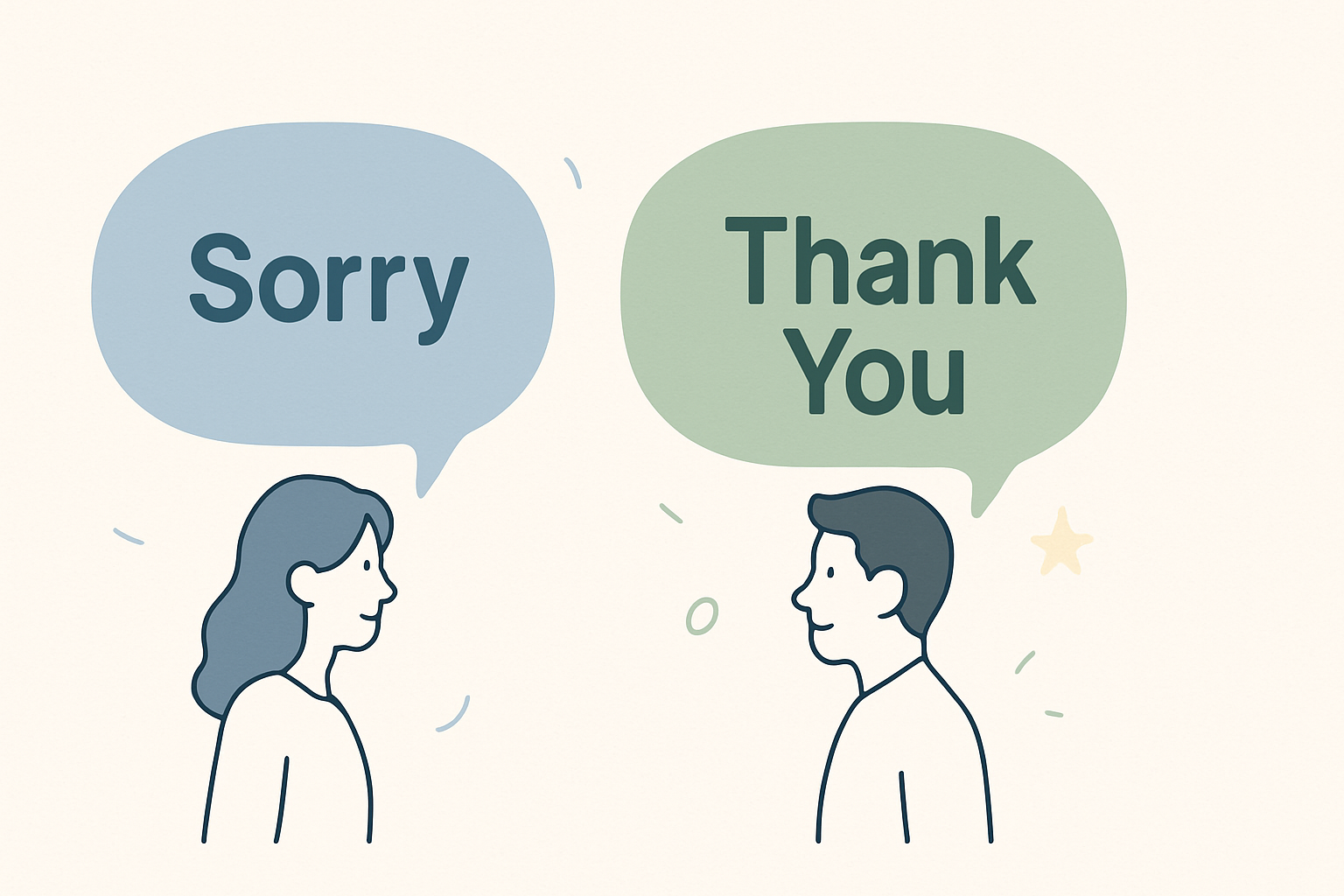
Sixty-two percent of Gen Z workers expect to retire before age 65.
Gen Z Is Starting Retirement Saving Earlier
Gen Z is opening retirement accounts earlier than previous generations, according to ICI data. The comparison is about when people begin using retirement accounts, rather than a claim that every member of the generation follows the same path. It points to an earlier start across the generation as a whole, while the other figures describe how many households have accounts and what workers expect about retirement. Those measures offer separate views of participation and confidence; they do not establish the same thing.¹
At the same age, the number of Gen Z households with retirement accounts is three times higher than the number for Gen X households. The age-matched comparison gives a specific way to assess the difference between generations: it compares households at the same point in life, rather than comparing Gen Z today with Gen X today. The statistic concerns households with retirement accounts. It does not say how much those households have saved, or whether account balances are enough to fund retirement.¹
An expectation is a view about a future outcome; it does not show that the outcome has happened or that a worker has enough savings to support it.
The retirement-age figure describes what workers expect, not a record of when they eventually stop working. An expectation is a view about a future outcome; it does not show that the outcome has happened or that a worker has enough savings to support it. That distinction matters when reading the age target alongside account-opening data: holding an account and anticipating an earlier retirement are different measures, and neither figure supplies the missing details about an individual worker’s finances.¹
 News
AI Accounts Copy Jokes from Female Comedians
Olivia Carter’s copied joke appeared on an AI avatar account with 214,000 followers, while comedians described stolen material and Instagram’s limits.
Read More →Confidence and Contributions Measure Different Things
Nearly half of Gen Z workers believe they will be able to retire comfortably. The figure captures workers’ confidence about the quality of their retirement, not a calculation of the income or savings they will have when they stop working. It also differs from the age expectation: a worker can hold a view about retiring comfortably without that statement specifying when retirement begins. The reported confidence is therefore one part of the picture, separate from the account and timing measures.¹
Ninety percent of Gen Z is already contributing to a retirement plan. A contribution shows participation in a plan, while the figure on account ownership counts households with retirement accounts; the measures use different descriptions of saving. The contribution statistic does not give the amount workers put in, how long they have contributed or the value of their accounts. It establishes that contributions are widespread among Gen Z, without answering how much retirement income those contributions may produce.¹

A Plan Can Help Workers Assess Their Choices
Scott Ford, president of wealth management at U.S. Bank, stressed the value of proactive financial wellness. His point places attention on taking an active approach to financial decisions. The figures on account access, contributions and retirement expectations describe different parts of Gen Z’s relationship with retirement saving; Ford’s emphasis is on the value of engaging with financial choices rather than treating those figures as a complete picture of any one person’s situation.¹
Ford said there may be no single playbook for building wealth, but having a plan can help people understand the choices in front of them, assess those choices against their goals and decide what makes sense for their financial situation. The guidance does not prescribe one route or promise a particular result. It describes a decision process: identify the available choices, compare them with personal goals and make a choice suited to one’s own circumstances.¹
Start Now, But Link Saving to a Plan
 News
JEE Main 2027 Session 1 Registration Opens
The schedule includes a late application window, a correction period, exam-city announcement and admit-card release.
Read More →For readers in their twenties and thirties, the data points to one concrete move: open a retirement account now. Gen Z households are three times more likely than Gen X households to have one at the same age, and ninety percent of Gen Z already contributes to a plan. That means the barrier is not access—it is consistency. Use this as a prompt to set a specific contribution amount and automate it, rather than waiting for a higher salary.¹
A Plan Can Help Workers Assess Their Choices Scott Ford, president of wealth management at U.S.
The figures on expectations should not drive your choices. Sixty-two percent of Gen Z workers expect to retire before 65, and nearly half believe they will retire comfortably, but those are views, not guarantees. A plan helps you assess your own situation against your goals, as Scott Ford notes. So ask yourself: does my current contribution rate support the retirement age I expect? If not, adjust now—not later.¹
Sources
Written by Career Ahead AI. AI can make mistakes, so verify key facts. Report errors to support@careeraheadonline.com