Recent discussions on the Bloomberg Surveillance podcast have focused on how artificial intelligence (AI) is changing labor markets. As companies quickly adopt AI, the workforce faces major shifts. This trend raises concerns about job loss and the future of work, especially for entry-level positions.
Labor economists and AI policy analysts are now working to understand these changes. The podcast features insights from experts who stress the need to address these challenges. The conversation is timely, as many firms are reevaluating their hiring practices due to AI capabilities.
AI’s Role in Job Displacement
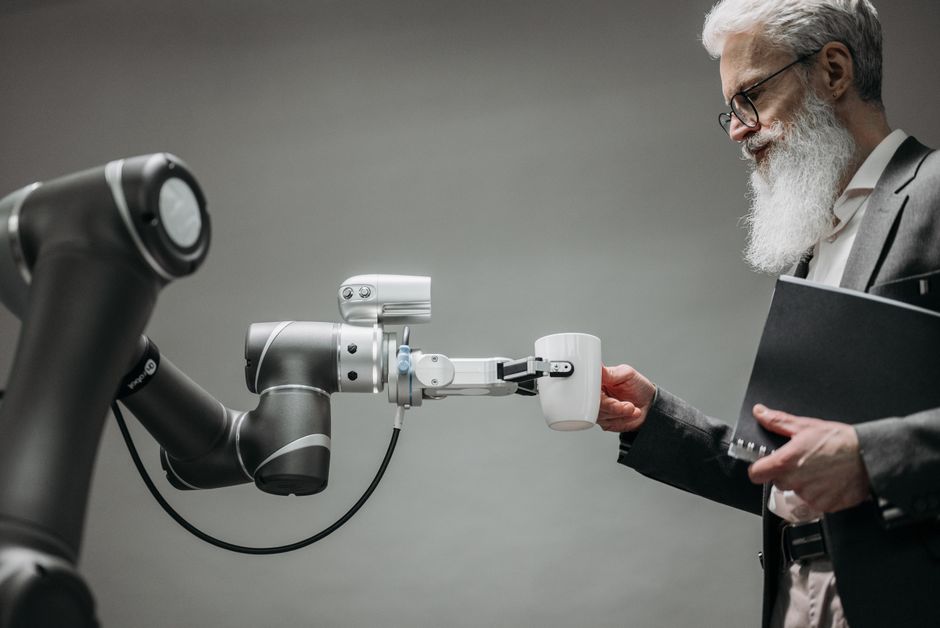
The rise of AI technology is causing significant job displacement in many sectors. According to data from the podcast, many entry-level roles are at risk due to automation. Career Ahead analysis shows that industries with routine tasks, like data entry and customer service, are especially vulnerable.
For example, the National Association of Software and Service Companies (NASSCOM) reported that over 30% of entry-level IT jobs could be replaced by AI tools in the next five years. This trend is concerning for new graduates, as they may find fewer job opportunities. Career Ahead research indicates that roles in technical support and basic programming are among the most affected, as AI can perform these tasks more efficiently than humans.
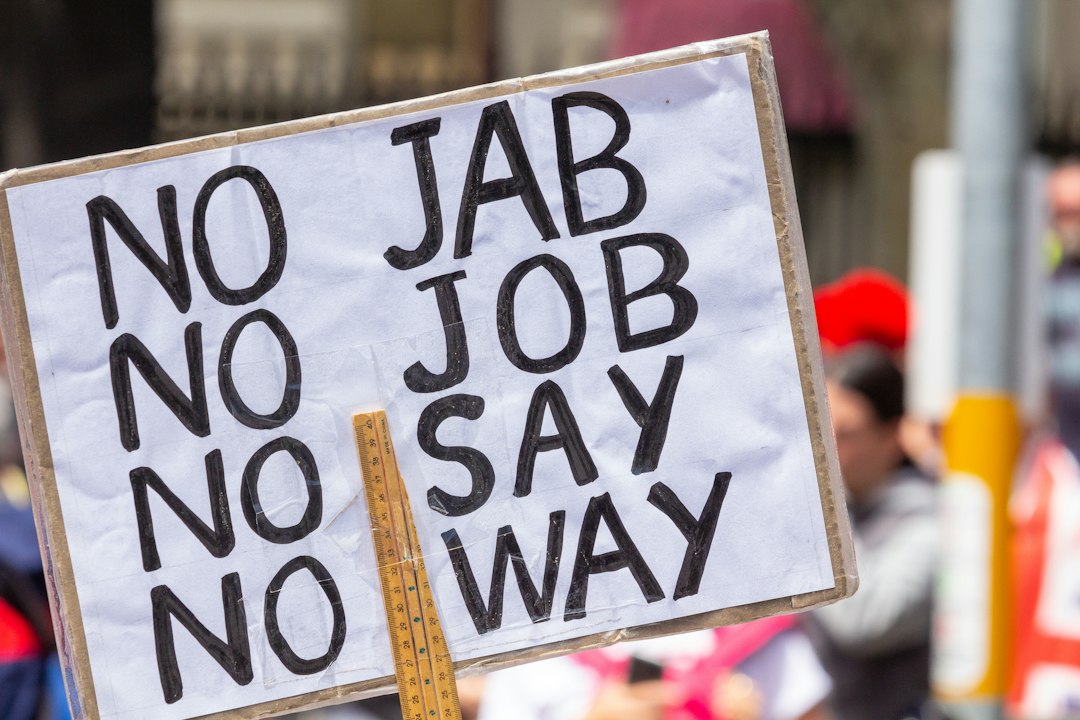
The podcast also highlights the psychological effects of job displacement. Many workers feel uncertain and anxious about their future job prospects. Comprehensive support systems are crucial as individuals navigate this changing landscape. The emotional toll of job loss can decrease motivation and productivity, complicating the transition for displaced workers.
Professionals will need to adapt by learning new skills that complement AI technologies.
As AI evolves, the implications of job displacement go beyond just losing jobs. The skills needed in the workforce are also changing. Professionals will need to adapt by learning new skills that complement AI technologies. This shift emphasizes the need for educational institutions to align their curricula with industry demands. Skills like data analysis and AI management are becoming essential. The podcast stresses that educational reform is vital to prepare the workforce for future jobs, ensuring graduates have the tools to succeed in an AI-driven economy.
Trends in Labor Market Shifts Due to Automation
The integration of AI is not only about job loss; it also signals a change in labor market dynamics. The Bloomberg Surveillance podcast notes that automation is reshaping job types. Roles that require creativity, emotional intelligence, and complex problem-solving are becoming more valuable.
Career Ahead’s analysis finds that sectors like healthcare, education, and creative industries are seeing a rise in demand for human-centric skills. For instance, while AI can assist in diagnostics, the need for empathetic healthcare professionals remains high. This suggests that while some jobs will vanish, new opportunities will arise that require different skills. The podcast highlights that industries like healthcare need professionals who can interpret AI-generated data and provide personalized care, showing the importance of human oversight in tech-driven environments.
Furthermore, the podcast discusses the need for lifelong learning. Workers must continually upskill to stay relevant in an AI-driven economy. Employers increasingly seek candidates who show adaptability and a willingness to learn. This shift offers professionals a chance to invest in their growth and align their skills with emerging industry needs. According to the podcast, companies that prioritize employee development and foster a culture of continuous learning will likely outperform their competitors.
This shift offers professionals a chance to invest in their growth and align their skills with emerging industry needs.
As the labor market changes, policymakers must also consider these implications. The podcast suggests that governments should actively support workforce transitions. This includes initiatives for retraining programs and incentives for companies that invest in employee development. Strong social safety nets are essential, as displaced workers may need help navigating job transitions in a rapidly changing environment.
The insights shared on the Bloomberg Surveillance podcast highlight the urgency of addressing the intersection of labor and AI. As we move forward, it is crucial for labor economists and AI policy analysts to monitor these trends. They must advocate for policies that support a balanced approach to technological advancement. The podcast calls for collaboration among stakeholders to shape a future where technology enhances job opportunities rather than reduces them.
The future of work is uncertain, but one thing is clear: as AI evolves, so will the labor market. Will we see a shift toward more meaningful work, or will job displacement dominate the narrative? The answers will shape the workforce landscape for years to come.
Frequently Asked Questions
What are the latest trends in labor market changes due to AI?
Career Ahead analysis shows that AI is causing significant job displacement, especially in entry-level roles in IT and customer service. As companies adopt automation, the demand for human-centric skills is rising, indicating a shift in job types.
They should focus on sectors most affected by automation and advocate for policies that promote upskilling and support for displaced workers.
How can AI policy analysts prepare for upcoming regulations?
AI policy analysts should understand the implications of AI integration in various sectors. This includes tracking job displacement trends and advocating for policies that support workforce transitions, like retraining programs and educational reforms.
What should labor economists focus on regarding AI’s impact on employment?
Labor economists must analyze the changing job landscape as AI technologies reshape labor markets. They should focus on sectors most affected by automation and advocate for policies that promote upskilling and support for displaced workers.
Written by Career Ahead AI. AI can make mistakes, so verify key facts. Report errors to support@careeraheadonline.com.