

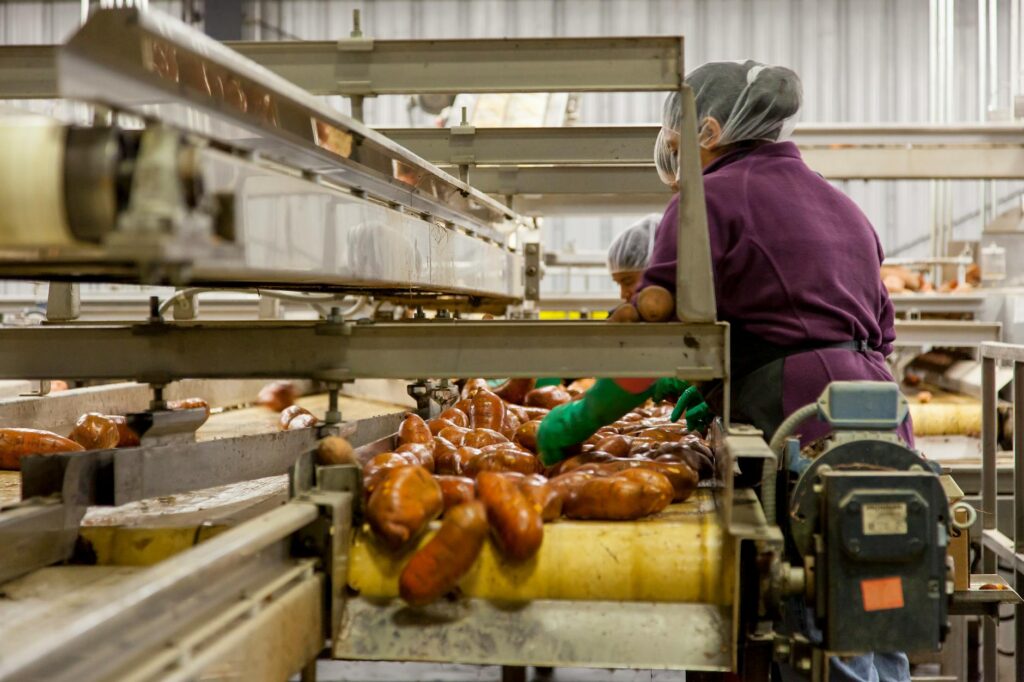
AI‑powered simulation is converting food factories into data‑rich, self‑optimizing systems, slashing quality defects by more than a third and redefining the skill set required for the sector’s future leaders.
Macro‑Economic Drivers of AI Adoption in Food Manufacturing
The global food market is projected to reach $12.2 trillion by 2028, a trajectory powered by rising consumer expectations for safety, nutrition, and sustainability [1].
Parallel to this demand surge, the AI‑in‑food‑manufacturing market is expanding at a 26.4% CAGR from 2023 to 2028, outpacing the broader industrial AI growth rate of 19% [1].
Two structural forces accelerate this convergence. First, input cost volatility—driven by climate‑induced crop fluctuations and geopolitical supply shocks—has forced manufacturers to tighten margins while maintaining regulatory compliance. The USDA’s 2024 cost‑of‑production index shows a 7.2% year‑over‑year rise in commodity prices for processed foods, compelling firms to seek efficiency gains beyond traditional lean‑manufacturing [6].
Second, the regulatory landscape is tightening. The FDA’s 2023 Food Safety Modernization Amendments (FSMA) revision mandates real‑time traceability for high‑risk ingredients, a requirement that aligns naturally with AI‑enabled sensor networks and simulation platforms [7].
The FDA’s 2023 Food Safety Modernization Amendments (FSMA) revision mandates real‑time traceability for high‑risk ingredients, a requirement that aligns naturally with AI‑enabled sensor networks and simulation platforms [7].
Early adopters illustrate the magnitude of impact. In 2026, manufacturers deploying AI‑driven simulation reported a 35% reduction in quality defects and a 25% cut in unplanned downtime, translating into an average $12 million annual cost avoidance per $500 million production line [5].
 Career Guidance
How to Switch Industries Mid-Career Without Starting Over
Bridge roles can reduce risk, while targeted skills and industry-specific applications help you make the case for a new field.
Read More →Digital Twin Architecture as the Core Optimization Engine
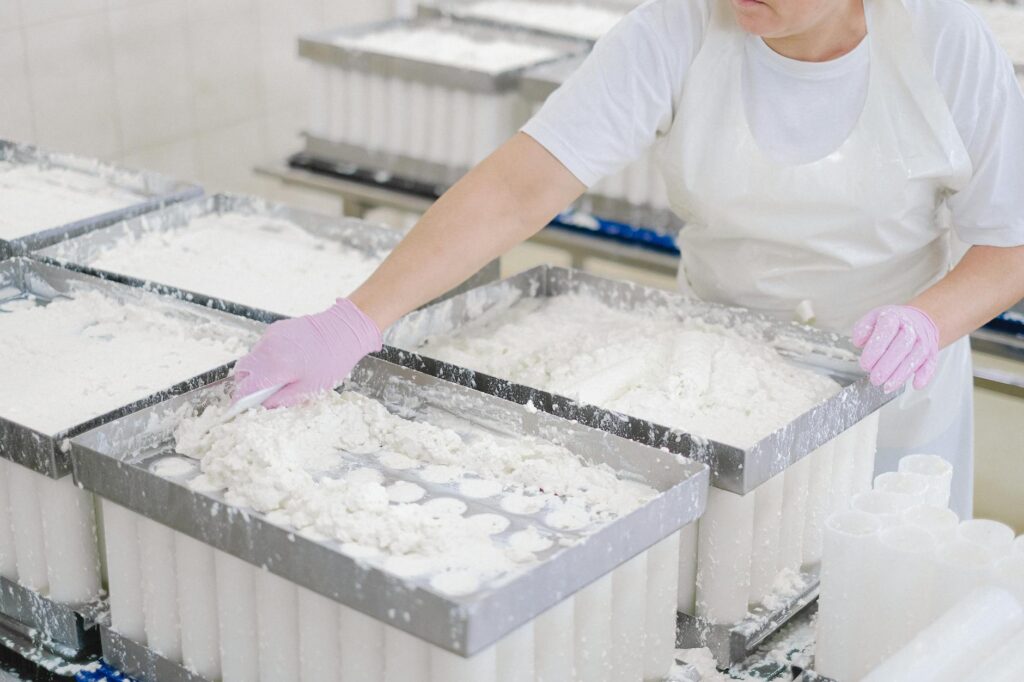
At the heart of the transformation lies the digital twin—a high‑fidelity, AI‑powered simulation of physical production lines that ingests sensor data, predicts process deviations, and recommends corrective actions in milliseconds. Unlike static process models, digital twins continuously learn from machine‑learning (ML) algorithms that map multivariate relationships among temperature, humidity, ingredient flow, and microbial load [2].
The core mechanism operates on three interlocking layers:
- Predictive Maintenance Layer – By correlating vibration signatures with historical failure modes, the twin forecasts equipment wear with a precision of 92%, enabling pre‑emptive part replacement and averting costly line stoppages [4].
- Quality‑Control Layer – Computer‑vision models analyze product surface imagery and spectroscopic data to detect anomalies invisible to the human eye, reducing defect detection latency from 30 minutes to under 2 minutes [5].
- Supply‑Chain Synchronization Layer – The twin integrates upstream logistics data, adjusting batch sizes in real time to align with raw‑material availability, thereby cutting ingredient waste by up to 20% [5].
Systemic Realignment of Supply Chains and Labor Structures
The diffusion of AI‑driven twins propagates structural ripples beyond factory floors.
Supply‑Chain Reconfiguration
Digital twins generate granular production forecasts that cascade upstream, compelling ingredient suppliers to adopt just‑in‑time (JIT) micro‑batching. This transition reduces inventory holding costs but imposes tighter coordination requirements, prompting the emergence of AI‑mediated logistics platforms that match supplier capacity to plant demand in real time [1].
Labor Re‑Skillification Automation of routine monitoring displaces low‑skill roles while expanding demand for data‑science, systems‑engineering, and AI‑ethics competencies.
Labor Re‑Skillification
Automation of routine monitoring displaces low‑skill roles while expanding demand for data‑science, systems‑engineering, and AI‑ethics competencies. The World Economic Forum projects that AI‑augmented manufacturing will create 1.2 million new roles globally by 2029, offsetting the 800,000 jobs displaced by mechanization [7].
 Entrepreneurship & Business
Vendor-Driven Changes Consume 28% of Enterprise Software Budgets
Origina and Thinkers50 say vendor-driven software changes consume 28 per cent of large enterprises’ budgets, limiting AI and innovation investment.
Read More →Data Governance Imperatives
The heightened data flow raises systemic concerns about privacy and cybersecurity. The Food and Drug Administration’s 2025 Guidance on AI in Food Production mandates encrypted data pipelines and periodic algorithmic audits to mitigate bias and protect proprietary formulations [5].
Career Capital Reconfiguration in AI‑Enabled Food Plants
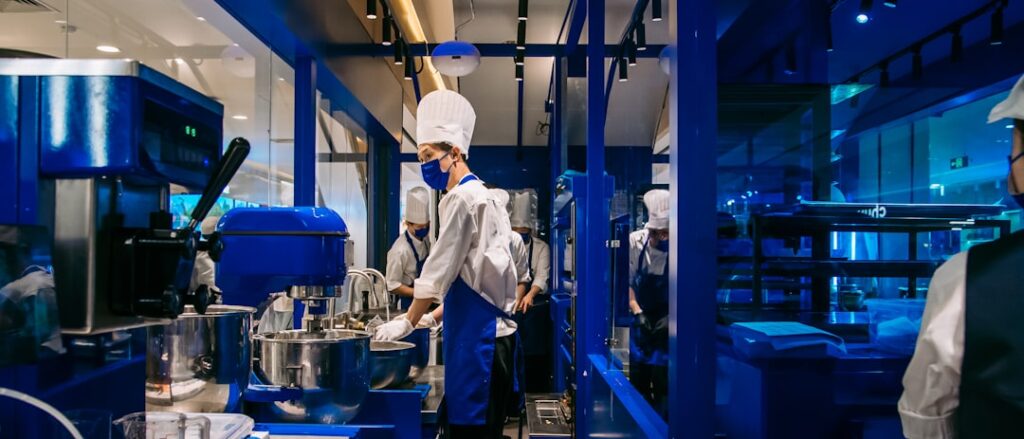
The convergence of technology, regulation, and market pressure redefines career capital—the portfolio of skills, networks, and institutional knowledge that determines upward mobility.
Emerging Skill Vectors
- Process‑Data Engineering – Professionals who can translate sensor streams into actionable ML features command a premium; median salaries have risen 23% year‑over‑year since 2022 [9].
- AI Ethics & Compliance – With regulatory scrutiny intensifying, expertise in algorithmic fairness and data stewardship is becoming a gatekeeper for leadership roles.
- Cross‑Functional Integration – Engineers fluent in both food science and software architecture are bridging silos, accelerating twin deployment cycles from 18 months to under 9 months [3].
Projected Trajectory through 2029: Capital Allocation and Policy Levers
Looking ahead, three interrelated forces will shape the sector’s evolution over the next three to five years.
Emerging Skill Vectors Process‑Data Engineering – Professionals who can translate sensor streams into actionable ML features command a premium; median salaries have risen 23% year‑over‑year since 2022 [9].
- Capital Realignment – Venture capital and private‑equity funds are earmarking $4.3 billion for AI‑enabled food manufacturing startups by 2029, prioritizing platforms that offer end‑to‑end twin solutions. Established firms are reallocating 15‑20% of CAPEX from physical plant expansion to digital infrastructure, a trend that aligns with the “soft‑asset” investment patterns observed in the pharmaceutical biotech boom of the early 2000s [8].
- Regulatory Standardization – The FDA is expected to release a “Digital Twin Validation Framework” in 2027, providing standardized metrics for model fidelity and safety, which will reduce compliance uncertainty and lower entry barriers for mid‑size manufacturers.
- Workforce Policy – The Department of Labor’s 2026 “Future Skills Initiative” proposes tax credits for firms that fund AI‑related upskilling, projected to increase the proportion of AI‑qualified workers in food manufacturing from 12% to 28% by 2030 [7].
Key Structural Insights
> [Insight 1]: AI‑driven digital twins convert quality control from reactive inspection to proactive orchestration, cutting defects by over a third and redefining capital efficiency.
> [Insight 2]: The technology precipitates a systemic labor re‑skillification, creating high‑value data‑science roles while mandating institutional upskilling pathways to preserve mobility.
> * [Insight 3]: Policy and capital trends converge on a software‑first growth model, where regulatory frameworks and fiscal incentives accelerate the diffusion of AI simulation across the food sector.
Sources
[1] How AI Is Transforming Food Manufacturing in 2026 — Ioni.ai (Industry Report)
[2] Viewpoint on the Role of Artificial Intelligence in Food Processing and Production — Trends in Food Science (Oxford Academic)
[3] Revolutionizing the Food Industry: The Transformative Power of AI — Food Science Advances (ScienceDirect)
[4] Artificial Intelligence in Food Manufacturing: A Review of Current Work and Future Opportunities — Food Engineering Reviews (Springer)
[5] AI in Food Production: Revolutionizing Efficiency and Quality — iFactoryApp (Industry Blog)
[6] USDA Economic Research Service, “Commodity Price Volatility in Processed Foods” — United States Department of Agriculture (2024)
[7] World Economic Forum, “The Future of Food Manufacturing: Governance and Innovation” — World Economic Forum (2025)
[8] Historical Parallels in Automation: Automotive and Textile Sectors — Industrial History Review (Cambridge University Press)
[9] BLS Occupational Outlook, “Data Scientists and Engineers in Manufacturing” — U.S. Bureau of Labor Statistics (2025)
 AI & Technology
HR‑Driven Salary Negotiation Frameworks Redefine Talent Value
A 2026 study finds workers who never negotiate sacrifice up to $1 million in lifetime earnings, prompting firms to formalise seven robust frameworks.
Read More →Written by Career Ahead AI. AI can make mistakes, so verify key facts. Report errors to support@careeraheadonline.com.





