The Comprehensive Economic and Trade Agreement (CETA) between India and the UK is set to reshape trade dynamics, enhancing export opportunities and fostering economic growth in both nations.
The Comprehensive Economic and Trade Agreement (CETA) between India and the United Kingdom, effective July 15, 2026, marks a significant milestone in the bilateral relationship of the two nations. This agreement is not merely about reducing tariffs; it symbolizes a strategic partnership aimed at strengthening economic ties amid a rapidly evolving global landscape. The CETA is designed to boost trade and investment flows, create quality jobs, and drive sustainable economic growth, with a target of doubling bilateral trade to over $100 billion by 2030.
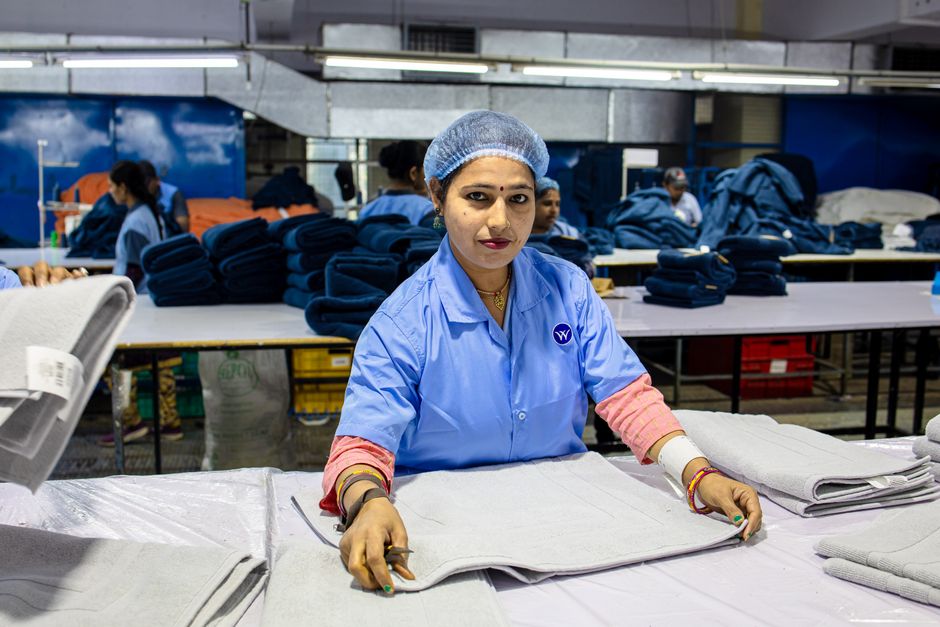
One of the most notable features of the CETA is its provision for zero-duty access for 99% of Indian exports to the UK. This is particularly advantageous for labor-intensive sectors such as textiles, leather, and marine products, which are sensitive to pricing and competition. For instance, tariffs on processed foods, which previously reached as high as 70%, will now be eliminated, allowing Indian exporters to compete more effectively in the UK market. This reduction in tariffs will make Indian products more appealing to UK consumers, thereby enhancing market penetration.
Transformative Effects on Indian Export Sectors
The CETA is poised to transform how Indian businesses approach their export strategies, especially in high-value sectors like engineering goods and chemicals. The agreement ensures consistent market access, which is crucial for maintaining profit margins in these industries. The reduction of tariffs from 12% on textiles to zero will particularly benefit Indian textile manufacturers, enabling them to offer competitive pricing without compromising on quality. According to insights from The Economist, such tariff reductions could significantly increase export volumes, allowing Indian companies to enter the UK market with greater vigor.
Moreover, the CETA is expected to have a profound impact on Indian agriculture exports. The agreement includes provisions that protect sensitive agricultural sectors, allowing Indian products to enter the UK market with lower tariffs. This is vital for Indian farmers and agribusinesses looking to expand their reach. Research indicates that agricultural exports could see a potential increase of 30% within the first year of the CETA’s implementation, underscoring the agreement’s transformative potential for the agricultural sector.
Access to Government Procurement Markets
In addition to enhancing export opportunities, the CETA facilitates easier access for Indian firms to UK government procurement markets. This enables Indian companies to bid for public contracts, particularly in infrastructure services and consulting, where they have established a strong reputation. By capitalizing on these opportunities, Indian exporters can significantly boost their market presence and drive growth. The focus on government procurement aligns with the UK’s objective to source high-quality services, which Indian firms are well-positioned to provide.
India's Commerce Ministry announces that 45% of exports to the U.S. will be exempt from new tariffs, impacting pricing strategies and competitiveness for exporters in…
This is vital for Indian farmers and agribusinesses looking to expand their reach.
As Indian companies prepare for this new trade landscape, prioritizing quality standards and compliance will be essential. Industry bodies will play a crucial role in guiding Micro, Small, and Medium Enterprises (MSMEs) to navigate the complexities of the CETA. Understanding regulatory requirements and procurement opportunities will be vital, as failing to meet UK standards could restrict access to this lucrative market.
Emphasis on Sustainability and Quality
The agriculture sector stands to gain significantly from the CETA, particularly with its emphasis on sustainable practices and improved market access. Indian agricultural products, especially fruits and vegetables, will benefit from lower tariffs, addressing the challenges farmers have faced in accessing international markets. The growing demand for organic and sustainably sourced products in the UK necessitates that Indian exporters adapt to these preferences to maximize their opportunities.
Furthermore, the CETA includes protections for intellectual property rights, which will benefit Indian agricultural innovators. By securing their innovations, Indian firms can expand their offerings in the UK, enhancing competitiveness and profitability. However, to fully capitalize on these opportunities, Indian exporters must invest in quality control and sustainable farming practices. The UK market’s demand for high-quality and sustainable products means that Indian exporters must align their strategies accordingly.
Strategic Insights for Export Managers
As the CETA unfolds, export managers in India must remain vigilant regarding market trends and UK consumer preferences. By aligning their strategies with these insights, they can effectively tap into the growing demand for Indian agricultural products. The ability to respond swiftly to changing market dynamics will be critical for success in this new trade environment.
The CETA represents a transformative step in the India-UK economic partnership. As both countries strive to achieve their trade goals, the focus will be on how Indian businesses adapt and seize new opportunities arising from this agreement. The phased implementation of the CETA will require ongoing collaboration between Indian exporters and UK importers to ensure mutual benefits.
India's Commerce Ministry announces that 45% of exports to the U.S. will be exempt from a new 10% tariff, significantly impacting pricing strategies and export…
The ability to respond swiftly to changing market dynamics will be critical for success in this new trade environment.
Frequently Asked Questions
What new markets can Indian exporters access due to the trade pact?
The India-UK trade pact opens the UK market for 99% of Indian exports, significantly enhancing access for sectors like textiles, agriculture, and engineering goods.
How will the trade agreement impact UK businesses sourcing from India?
UK businesses will benefit from reduced tariffs on Indian goods, leading to more competitive pricing and enhanced supply chain resilience.
What strategies should export managers in India adopt to leverage the new trade agreement?
Export managers should focus on quality compliance and market research to align their products with UK consumer preferences, leveraging government procurement opportunities.





 International Trade