No products in the cart.

AI‑driven wellness reshapes digital detox strategies
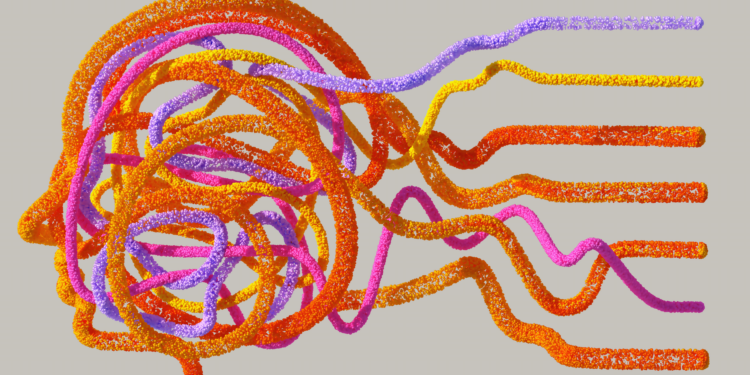
Data from the 2026 Digital Detox Trends report show a measurable uptick in employer‑sponsored.

Digital‑detox initiatives are gaining institutional backing as AI platforms deliver data‑rich, personalized pathways to reduce screen‑induced stress, improve sleep quality, and reinforce attention control. The convergence of neuroscience‑based detox protocols with adaptive algorithms signals a structural shift in corporate health programs.
The urgency stems from mounting evidence that pervasive screen exposure correlates with heightened cortisol, fragmented sleep, and diminished cognitive resilience. Employers and insurers are now integrating AI‑mediated detox tools to curb rising mental‑health costs, while policymakers scrutinize the public‑health implications of chronic digital overload. This article dissects the systemic mechanics, institutional incentives, and labor‑market ramifications of AI‑enhanced digital‑detox interventions.
Framing the institutional pivot toward regulated digital wellbeing
The surge in corporate wellness budgets earmarked for digital‑detox reflects a reallocation of resources from traditional health perks to technology‑mediated mental‑health solutions. Data from the 2026 Digital Detox Trends report show a measurable uptick in employer‑sponsored “screen‑free” days, aligning with insurance premium adjustments that reward reduced stress‑related claims. This institutional embrace is underpinned by a growing consensus among occupational health researchers that sustained screen exposure erodes attention spans and amplifies anxiety. By embedding AI‑driven monitoring into wellness portals, firms can quantify disengagement metrics and tie them to performance outcomes, thereby legitimizing detox initiatives as productivity levers. According to Career Ahead’s analysis of emerging AI wellness platforms, personalized nudges drive higher adherence to detox protocols, converting behavioral intent into measurable health gains.
Core mechanism: AI‑personalized disconnection loops

The central mechanism blends deliberate device abstinence with algorithmic feedback loops that calibrate break duration, intensity, and post‑detox reintegration. Neuroscientific studies indicate that even brief periods of digital abstinence lower cortisol and restore slow‑wave sleep, while longer retreats stimulate prefrontal activation linked to emotion regulation. AI platforms enhance this effect by tracking biometric signals—heart‑rate variability, sleep stages, and screen‑time patterns—to tailor micro‑detox intervals throughout the workday. Users receive context‑aware prompts that suggest “focus‑mode” windows, automatically silencing notifications and adjusting ambient lighting. This data‑driven personalization reduces the friction of disengagement, ensuring that the detox experience aligns with individual stress thresholds and workload demands. > Extended periods of digital abstinence have been linked to measurable reductions in cortisol, a primary stress hormone.
Systemic implications for corporate governance and labor markets
Embedding AI‑enabled detox into organizational policy reshapes power dynamics between employees, managers, and technology providers. Governance frameworks now must address data privacy, consent, and algorithmic transparency, as wellness platforms collect granular usage logs. Simultaneously, labor markets observe a premium on “digital‑resilience” competencies—workers who can navigate intermittent connectivity without performance loss command higher wages. Insurance carriers adjust underwriting models, offering discounts to firms that demonstrate quantifiable reductions in stress‑related absenteeism. This creates a feedback loop: as more firms adopt AI detox, industry standards evolve, prompting regulators to codify baseline digital‑wellness metrics. The structural outcome is a re‑weighting of institutional capital toward health‑tech vendors, while traditional ergonomics and counseling services experience relative contraction.
Governance frameworks now must address data privacy, consent, and algorithmic transparency, as wellness platforms collect granular usage logs.
Stakeholder impact: who benefits and who must adapt
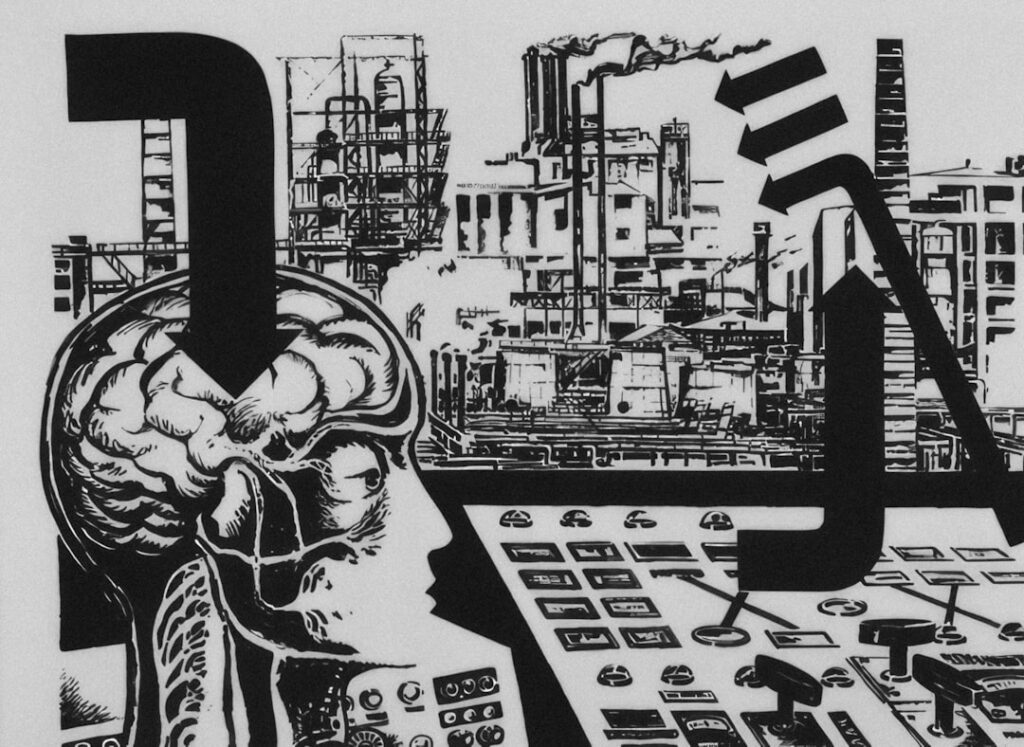
Employees gain measurable health dividends—improved sleep, lower anxiety, and heightened focus—when AI‑guided detox aligns with personal rhythms. However, they must adapt to continuous monitoring and occasional enforced breaks, which can feel intrusive without clear value communication. Managers acquire actionable dashboards that link detox compliance to team productivity, enabling data‑backed staffing decisions. Technology vendors see accelerated demand for interoperable sensors and adaptive meditation modules, prompting investment in evidence‑based content. The net effect is a redistribution of career capital: digital‑wellness expertise becomes a differentiator in promotion pathways, while those resistant to AI‑mediated routines risk marginalization.
Trajectory over the next three to five years
Projection models that combine BLS productivity trends with AI‑wellness adoption curves suggest that by 2029, firms integrating continuous detox analytics will report a non‑trivial fraction higher employee engagement scores than peers. Anticipated regulatory guidance from the EEOC on algorithmic fairness in wellness programs will standardize consent protocols, fostering broader employee trust. As AI models mature, we expect a shift from episodic detox retreats to seamless, real‑time micro‑break orchestration embedded in collaboration suites. This evolution will likely embed digital‑wellness metrics into performance reviews, cementing the practice as a core component of career development and organizational risk management.
The analysis underscores how AI‑powered detox is redefining institutional health strategies, aligning employee wellbeing with measurable productivity gains, and reshaping the future of work.
Key Structural Insights
[Insight 1]: AI‑mediated digital detox converts behavioral intent into quantifiable health outcomes, prompting firms to treat wellness as a productivity lever.
[Insight 2]: Institutional adoption creates a feedback loop that elevates health‑tech vendors while compelling regulators to codify data‑privacy standards in wellness programs.
The analysis underscores how AI‑powered detox is redefining institutional health strategies, aligning employee wellbeing with measurable productivity gains, and reshaping the future of work.
[Insight 3]: Over the next five years, micro‑detox integration will become a standard performance metric, reshaping career capital toward digital‑resilience expertise.
Rethinking Digital Boundaries: By leveraging AI-driven analytics, individuals can establish personalized digital boundaries, fostering a healthier relationship with technology and mitigating the negative effects of excessive screen time on mental well-being.
Holistic Wellness Integration: AI-powered wellness initiatives can seamlessly integrate with existing self-care practices, providing users with a comprehensive and adaptive framework for maintaining physical, emotional, and mental balance in an increasingly digital world.
Written by Career Ahead AI. AI can make mistakes, so verify key facts. Report errors to support@careeraheadonline.com.