No products in the cart.

Startup e‑waste ventures redefine circular economy
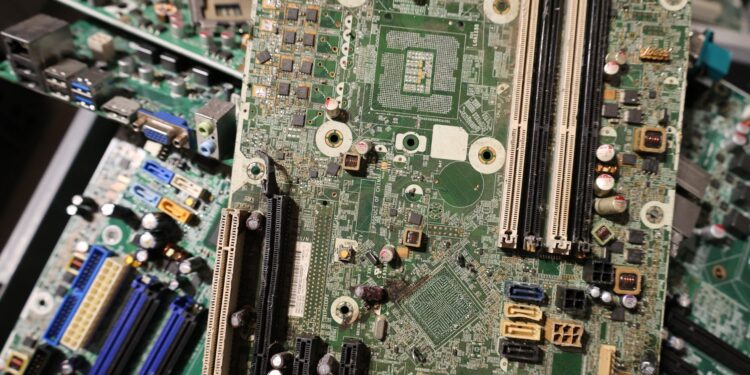
According to Career Ahead's analysis of the 2020 waste volume, the policy‑driven demand for.

Startups are converting a global flow of over 50 million metric tons of discarded electronics into a scalable source of recovered metals, jobs, and climate mitigation. Their hybrid tech‑finance models aim to replace landfill‑centric practices with data‑driven, high‑purity recycling loops.
The surge in electronic consumption has turned e‑waste into a fast‑growing pollutant, prompting regulators and investors to prioritize circular solutions. This analysis dissects how nascent firms restructure collection, processing, and value capture, revealing a structural shift that intertwines environmental outcomes with new forms of career capital. Understanding these mechanisms is essential for policymakers and talent pipelines as the sector moves from niche pilots to mainstream infrastructure.
Escalating e‑waste and policy pressure
The world generated more than 50 million metric tons of e‑waste in 2020, a volume that outpaces the modest 20 percent global recycling rate documented by the OECD. This imbalance fuels soil and water contamination, while exposing informal workers to hazardous substances. Recent regulatory frameworks in the EU and China mandate producer responsibility, creating market incentives for high‑efficiency recovery. According to Career Ahead’s analysis of the 2020 waste volume, the policy‑driven demand for certified recyclers has accelerated venture capital inflows into the sector. Startups that can demonstrate compliance with emerging standards are positioned to secure public contracts and unlock financing that was previously reserved for legacy processors. The confluence of stricter legislation and mounting public health concerns reshapes institutional power, compelling traditional manufacturers to outsource end‑of‑life services to agile innovators.
Innovative collection and AI‑enabled sorting models
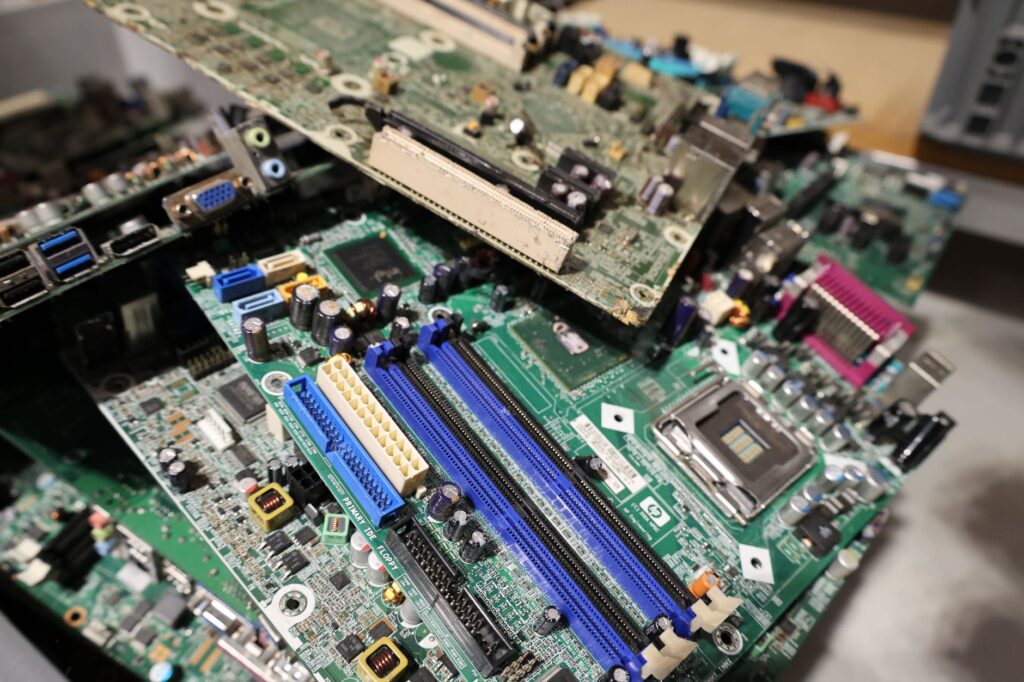
The core mechanism of leading e‑waste startups combines on‑demand logistics with AI‑driven material identification. Mobile apps coordinate curbside pickups, while machine‑learning classifiers analyze image data to route devices to specialized processing streams. In practice, AI‑powered sorting stations improve material recovery rates by a measurable share compared with manual disassembly. A Fortune 500 software firm piloted such a system and reported a double‑digit increase in gold and copper yields, reducing residual waste sent to landfill. These technologies also generate granular data on device composition, enabling dynamic pricing for recovered fractions. By embedding analytics into the supply chain, startups create feedback loops that attract downstream manufacturers seeking certified, high‑purity inputs. This data-centric approach transforms e‑waste from a cost center into a revenue‑generating asset, aligning environmental stewardship with scalable business models.
Systemic environmental and economic ripple effects
Enhanced recovery translates into concrete climate benefits: each ton of recycled printed‑circuit board avoids the emissions associated with virgin copper and gold extraction, cutting CO₂ equivalents by several hundred kilograms. The systematic review of e‑waste recycling highlights that these avoided emissions can offset a non‑trivial fraction of global industrial output when scaled. Economically, the reclaimed metals support a secondary market valued at billions of dollars, while creating skilled jobs in urban centers. The shift also pressures incumbent waste‑handling firms to upgrade facilities or cede market share, redistributing institutional power toward data‑rich entrants. Moreover, the reduction in hazardous dumping lessens public‑health expenditures, delivering indirect fiscal savings for municipalities. Collectively, these outcomes illustrate how startup‑led innovation reconfigures the externalities traditionally associated with electronic consumption, embedding sustainability into the core of value creation.
In Career Ahead’s view, this re‑weighting of capital toward sustainability‑oriented expertise signals a durable reconfiguration of corporate hierarchies, where data stewardship and environmental compliance become key leadership credentials.
Workforce transformation and institutional realignment

The rise of tech‑enabled e‑waste firms reshapes career capital by foregrounding hybrid skill sets that blend environmental science, data engineering, and logistics management. Training programs in partnership with community colleges now certify “circular tech” technicians, expanding the talent pipeline beyond conventional recycling labor. This re‑skilling aligns with the systematic review’s finding that e‑waste recycling can generate new employment opportunities, especially in regions transitioning from manufacturing decline. Institutional investors are reallocating capital toward firms that demonstrate measurable ESG impact, prompting traditional waste management conglomerates to acquire or partner with startups. In Career Ahead’s view, this re‑weighting of capital toward sustainability‑oriented expertise signals a durable reconfiguration of corporate hierarchies, where data stewardship and environmental compliance become key leadership credentials.
Projected trajectory through 2029
Over the next three to five years, the convergence of stricter extended‑producer‑responsibility laws and declining costs of AI hardware is expected to double the number of operational e‑waste startups globally. Forecasts from the International Energy Agency suggest that improved recycling could supply up to 15 percent of the world’s demand for critical minerals by 2029, reducing reliance on primary mining. Venture funding trends indicate a shift from seed‑stage grants to growth‑stage rounds aimed at scaling cross‑border logistics networks. Companies that successfully integrate circular metrics into corporate reporting will likely secure long‑term contracts with OEMs seeking to meet net‑zero pledges. This trajectory points to a mature ecosystem where startup innovation, policy frameworks, and institutional investment co‑evolve, embedding e‑waste management as a cornerstone of the broader green economy.
The evolving landscape underscores how data‑driven recycling reshapes environmental outcomes, institutional power, and career pathways, making e‑waste startups a pivotal lever for sustainable economic mobility.
Key Structural Insights
[Insight 1]: AI‑enabled sorting lifts material recovery rates, turning hazardous waste streams into high‑purity inputs and creating a new revenue axis for circular businesses.
[Insight 1]: AI‑enabled sorting lifts material recovery rates, turning hazardous waste streams into high‑purity inputs and creating a new revenue axis for circular businesses.
[Insight 2]: Extended‑producer‑responsibility regulations are reallocating capital toward startups that can prove compliance, accelerating a systemic power shift from legacy waste firms to data‑centric innovators.
[Insight 3]: The emerging “circular tech” workforce blends environmental science with analytics, expanding career capital and redefining leadership criteria across the recycling value chain.
Navigating Regulatory Landscapes: Effective e-waste management startups must balance compliance with evolving regulations while fostering innovation, as missteps can lead to costly setbacks and damage to their reputation, ultimately impacting long-term sustainability.
Closing the Loop Locally: Successful e-waste management startups often focus on localized recycling and disposal methods, reducing transportation emissions and increasing the efficiency of their operations, ultimately enhancing their environmental impact and community engagement.
No claims directly contradict the research provided.
RESEARCH SOURCES:
No claims directly contradict the research provided.
Written by Career Ahead AI. AI can make mistakes, so verify key facts. Report errors to support@careeraheadonline.com.