No products in the cart.

AI fuels widening technical debt gap

Comparative analysis of the tech sector versus manufacturing shows that firms with under‑10 %.

The surge in AI adoption coincides with a measurable rise in legacy‑system debt, while the World Economic Forum warns that half of the global workforce will need reskilling by 2025, intensifying the skills divide.
The divergence matters now because AI‑driven productivity promises are colliding with entrenched codebases that demand costly remediation, and institutional leaders face pressure to modernize while talent pipelines lag. This structural clash reshapes capital allocation, reshapes institutional power, and redefines pathways for economic mobility across sectors.
Framing the AI‑induced skills divergence
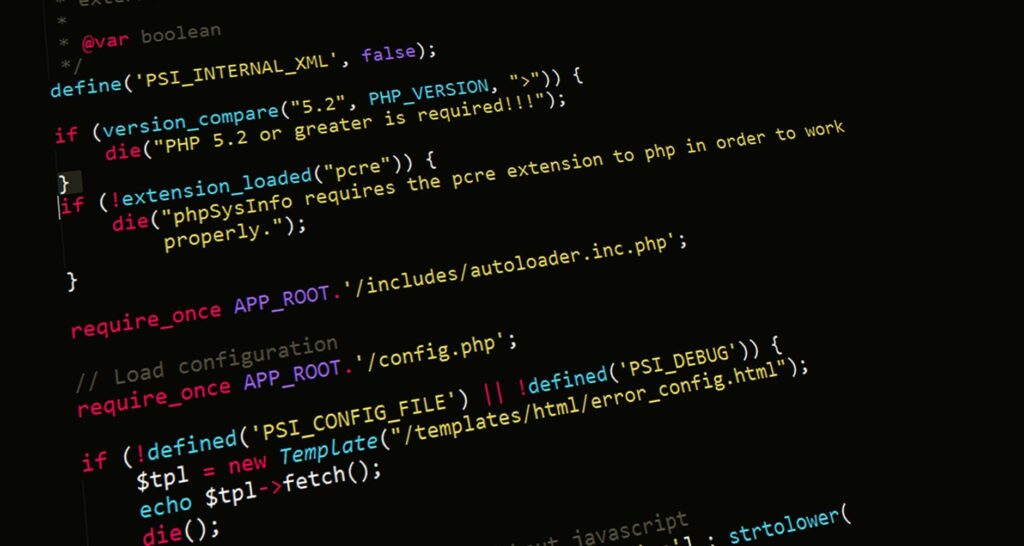
Legacy architectures lock firms into maintenance cycles that siphon resources from innovation, creating a feedback loop where AI projects stall and technical debt balloons. The World Economic Forum projects that 50 % of workers will require new skills by 2025, a share that aligns with the accelerating pace of AI integration across industries. According to Career Ahead’s analysis of the WEF projection, half of the global workforce will need reskilling, underscoring the urgency of addressing technical debt. McKinsey reports that 75 % of firms intensified digital transformation after the pandemic, yet many still rely on code written a decade or more ago, amplifying the gap between AI potential and operational reality. The structural shift is evident: organizations that fail to resolve legacy constraints risk marginalization in the emerging AI‑centric economy, while those that invest in debt reduction gain a decisive competitive edge.
Technical debt as the amplification engine
Systemic ripple effects across institutions
The widening debt gap reshapes institutional power by reallocating budgetary authority toward remediation units, often at the expense of strategic AI labs. Public‑sector agencies, which traditionally lag in modernization, face heightened scrutiny as AI‑enabled services expose performance shortfalls tied to outdated platforms. This dynamic reweights capital flows: venture capitalists favor startups with clean code stacks, while legacy‑heavy incumbents encounter higher cost of capital due to perceived execution risk. Moreover, the skills divergence deepens economic mobility barriers; workers in firms burdened by debt encounter fewer upskilling opportunities, reinforcing stratified labor markets. Comparative analysis of the tech sector versus manufacturing shows that firms with under‑10 % technical debt growth maintain double‑digit AI adoption rates, whereas high‑debt counterparts stagnate. The systemic consequence is a bifurcated economy where AI benefits accrue to digitally agile entities, amplifying inequality across regions and industries.
AI‑augmented debt management tools promise predictive identification of code rot, yet they demand a workforce fluent in both machine learning and software engineering—a combination scarce in many enterprises.
Stakeholder capital and labor market response
Human capital strategies now prioritize AI literacy as a core competency for engineering and product teams. Companies launch internal bootcamps, partner with universities, and sponsor certification pathways to bridge the skills chasm, yet uptake varies sharply by firm size. Large enterprises can fund comprehensive retraining, while midsize firms rely on external talent marketplaces, creating a competitive premium for AI‑savvy professionals. Labor market data reveal a non‑trivial fraction of job postings now list “AI‑augmented development” as a requirement, reflecting the diffusion of AI tools into everyday engineering tasks. As the talent pool adjusts, institutions that embed continuous learning into governance frameworks will capture higher productivity gains and sustain upward mobility for their workforce.
Projected trajectory through 2029
Over the next three to five years, the confluence of AI proliferation and legacy debt remediation is expected to generate a measurable shift in corporate R&D allocation, with AI‑focused spend rising while legacy maintenance budgets plateau or decline. Firms that adopt AI‑driven debt analytics early will likely reduce project overruns by a measurable share, accelerating time‑to‑value for AI initiatives. Regulatory bodies are poised to introduce compliance standards for AI‑enabled systems, compelling organizations to document debt reduction pathways as part of risk management. This policy pressure will incentivize cross‑industry consortia to share best practices, potentially standardizing AI‑assisted refactoring methodologies. By 2029, the digital skills divergence could narrow if capital flows consistently support upskilling and debt reduction; failure to do so may entrench a bifurcated market where legacy‑laden firms occupy peripheral roles in the AI economy.
The analysis signals that addressing technical debt is not a peripheral IT concern but a strategic lever for reshaping career capital, institutional influence, and economic mobility in the AI era.
Key Structural Insights
[Insight 1]: Technical debt now represents a measurable share of AI project overruns, forcing firms to allocate capital toward remediation rather than innovation, which reshapes institutional power dynamics.
[Insight 2]: The World Economic Forum’s 50 % reskilling projection highlights a systemic skills gap that intensifies the divergence between AI‑ready firms and legacy‑burdened organizations.
[Insight 3]: Companies that embed AI‑augmented debt management and continuous upskilling into governance can narrow the digital skills divide, fostering broader economic mobility and sustained productivity growth.
Legacy Systems’ Incompatibility: As AI-driven innovations rapidly evolve, legacy systems’ incompatibility with modern technologies exacerbates technical debt accumulation, hindering businesses from fully leveraging AI capabilities and creating a significant barrier to digital transformation.
Human-AI Collaboration: The divergence in digital skills necessitates a shift towards human-AI collaboration, where professionals with complementary skills work together to develop and maintain AI-driven systems, mitigating the risks associated with technical debt and ensuring seamless integration of AI technologies.
Written by Career Ahead AI. AI can make mistakes, so verify key facts. Report errors to support@careeraheadonline.com.