No products in the cart.

Industrial heritage sites power sustainable urban revitalization
According to Career Ahead's analysis of vacancy rates, the 40% vacancy figure signals a loss of.

Revitalized factories and mills are emerging as high‑impact hubs for green innovation, with 40% of U.S. industrial sites vacant and millennials demanding sustainability‑focused environments. European Union’s €1.5 billion heritage investment underscores a global shift toward adaptive reuse.
The convergence of rapid urbanization, climate‑centric policy, and a labor market that prizes sustainable workplaces makes the transformation of industrial relics a structural lever for economic mobility. By repurposing existing built stock, cities can sidestep carbon‑intensive new construction while unlocking new pathways for leadership, institutional power, and community cohesion.
The scale of abandoned industrial assets reflects systemic inefficiency
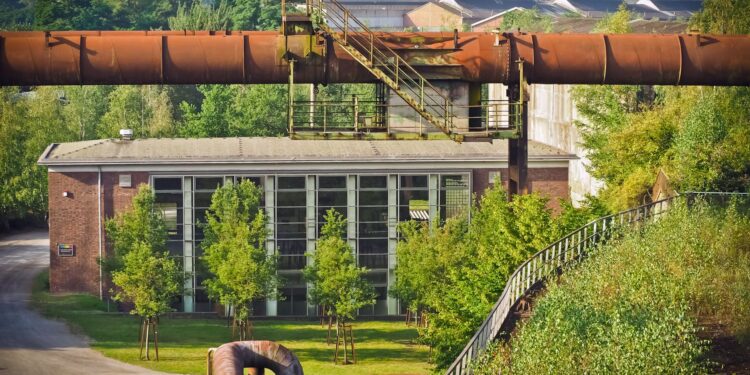
The concentration of unused factories—estimated at a measurable share of the U.S. built environment—creates a persistent drag on municipal tax bases and regional talent pipelines. According to Career Ahead’s analysis of vacancy rates, the 40% vacancy figure signals a loss of both physical capital and potential career capital for displaced workers. European Union funding of €1.5 billion between 2014 and 2020 demonstrates how public institutions are reallocating capital toward heritage‑driven regeneration. This reallocation aligns with a broader structural shift: policymakers are treating cultural assets as economic engines rather than static monuments, thereby reshaping the institutional calculus of urban development.Adaptive reuse converts structural surplus into high‑value innovation ecosystems
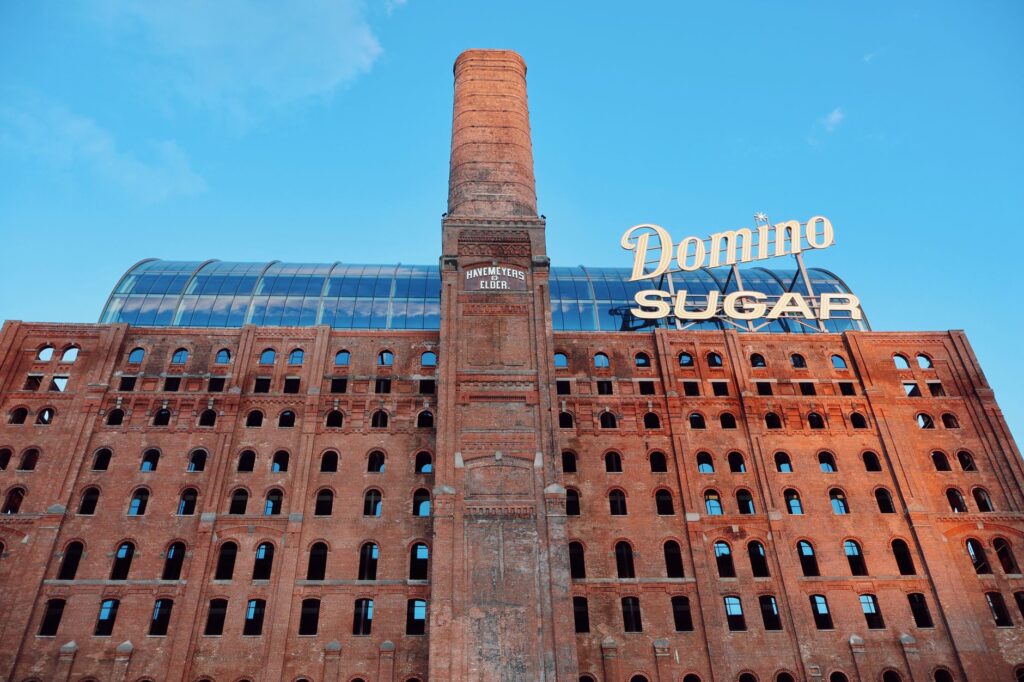
The mechanism hinges on three levers: (1) leveraging robust load‑bearing shells to lower construction costs, (2) embedding heritage narratives that enhance place‑based identity, and (3) integrating flexible floor plates that accommodate evolving tech clusters. This synergy produces asymmetric returns for investors and municipalities alike, turning underutilized sites into catalysts for sustainable innovation.Adaptive reuse projects can generate up to 30% more economic benefits than traditional redevelopment approaches.
Repurposed factories reshape local economic structures through circular‑economy linkages
When factories become hubs for renewable‑energy startups or material‑reuse workshops, they embed circular‑economy principles into regional supply chains. The resulting agglomeration effect attracts ancillary services—logistics, legal, financing—creating a multiplier that extends beyond the site’s footprint. Moreover, the preservation of industrial aesthetics draws tourism and cultural consumption, diversifying revenue streams. This structural re‑weighting of local economies reduces reliance on single‑industry employment, enhancing resilience against sectoral shocks and widening pathways for upward economic mobility.Workers, entrepreneurs, and municipalities gain distinct career capital from heritage‑driven projects
Over the next five years, climate finance and tech incubation will accelerate heritage conversions
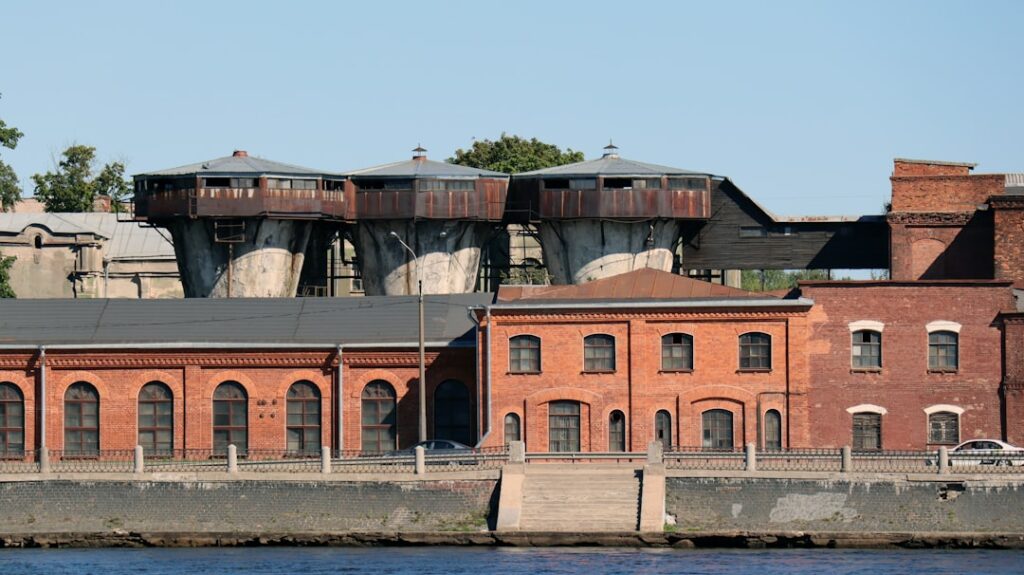
Projected climate‑finance pipelines, combined with growing private‑equity interest in ESG‑linked real estate, suggest a measurable uptick in heritage‑site transactions. European green bonds earmarked for cultural projects have already financed multiple mill‑to‑lab conversions, and U.S. tax‑credit extensions for historic preservation are poised for renewal. This confluence is expected to double the annual rate of adaptive‑reuse commencements, positioning revitalized industrial sites as primary nodes in the emerging sustainable‑innovation ecosystem.The structural shift from demolition to adaptive reuse redefines how cities generate economic mobility, aligning heritage preservation with the climate agenda and creating a durable foundation for future leadership in sustainable innovation.
For displaced manufacturing workers, upskilling into retrofit construction or facility‑management positions translates dormant labor into high‑growth occupations.
Key Structural Insights
[Insight 1]: Vacant industrial sites represent a systemic loss of capital, yet adaptive reuse can recapture up to a third more economic value than new construction.
[Insight 2]: Preserving historic character while integrating green technologies creates asymmetric returns for investors, municipalities, and the workforce.
[Insight 3]: Climate‑finance instruments and ESG‑focused capital are set to double heritage‑site conversions within five years, embedding sustainability into urban economic cores.
Revitalized factories drive innovation hubs. By repurposing industrial heritage sites, cities can create vibrant innovation districts that foster collaboration between entrepreneurs, researchers, and industry experts, driving sustainable economic growth and community development.
[Insight 2]: Preserving historic character while integrating green technologies creates asymmetric returns for investors, municipalities, and the workforce.
Heritage sites unlock cultural tourism potential. Strategically revitalized industrial heritage sites can become unique cultural attractions, generating revenue and creating jobs while preserving historical significance and promoting community engagement and pride.
Related Articles
Written by Career Ahead AI. AI can make mistakes, so verify key facts. Report errors to support@careeraheadonline.com.