

AI in stem education: Personalized Science Labs with AI
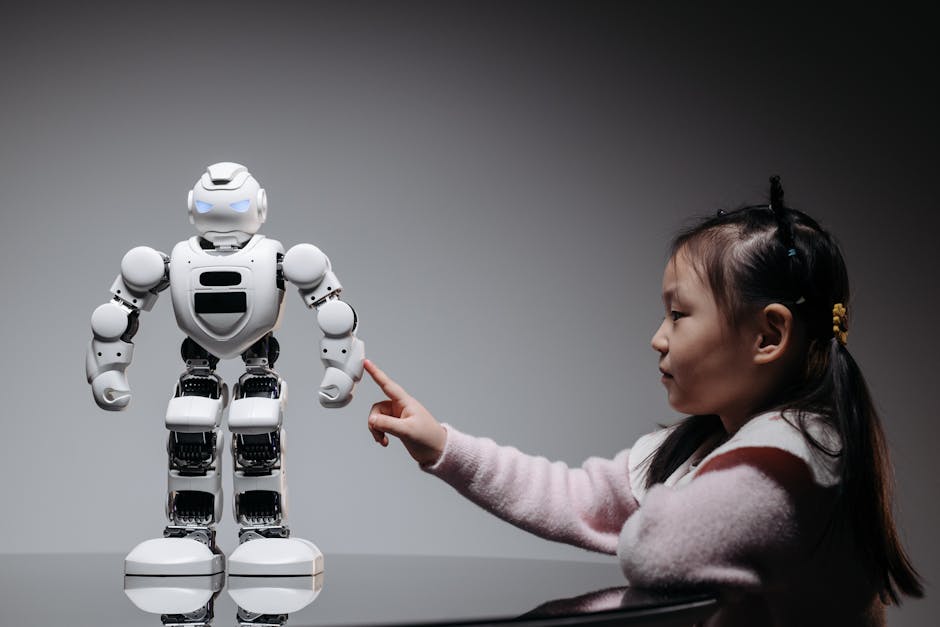
In recent years, artificial intelligence (AI) has increasingly penetrated educational environments, with notable advancements in STEM (Science, Technology, Engineering, and Mathematics) education. Institutions across the globe, including notable universities and schools in the United States, are integrating AI to create customized science experiments that cater to individual student needs. This innovation not only enhances the learning experience but also prepares students for careers in an evolving job market.
Why It Matters
The implementation of AI in STEM education is crucial as it addresses diverse learning styles and paces. According to a report by the World Economic Forum, 85 million jobs may be displaced by a shift in labor between humans and machines by 2025, yet 97 million new roles could emerge that are more adapted to the new division of labor between humans, machines, and algorithms [1]. By utilizing AI, educators can offer personalized learning experiences, allowing students to engage with the material in ways that resonate with their unique learning preferences.
Context
The rise of AI in education aligns with increasing investments in educational technology (EdTech). For instance, the global EdTech market is projected to reach $404 billion by 2025, driven by a growing demand for personalized learning solutions [2]. Schools and universities are recognizing the need to integrate technology to enhance traditional teaching methods. AI-powered tools can analyze student performance data in real-time, enabling educators to tailor lessons and experiments to optimize student engagement and understanding.
Institutions like Stanford University and the Massachusetts Institute of Technology (MIT) have initiated programs that leverage AI to design personalized learning pathways. These initiatives showcase the potential of AI to revolutionize how STEM subjects are taught, fostering a more interactive and effective educational environment [3].
These initiatives showcase the potential of AI to revolutionize how STEM subjects are taught, fostering a more interactive and effective educational environment [3].
Analysis
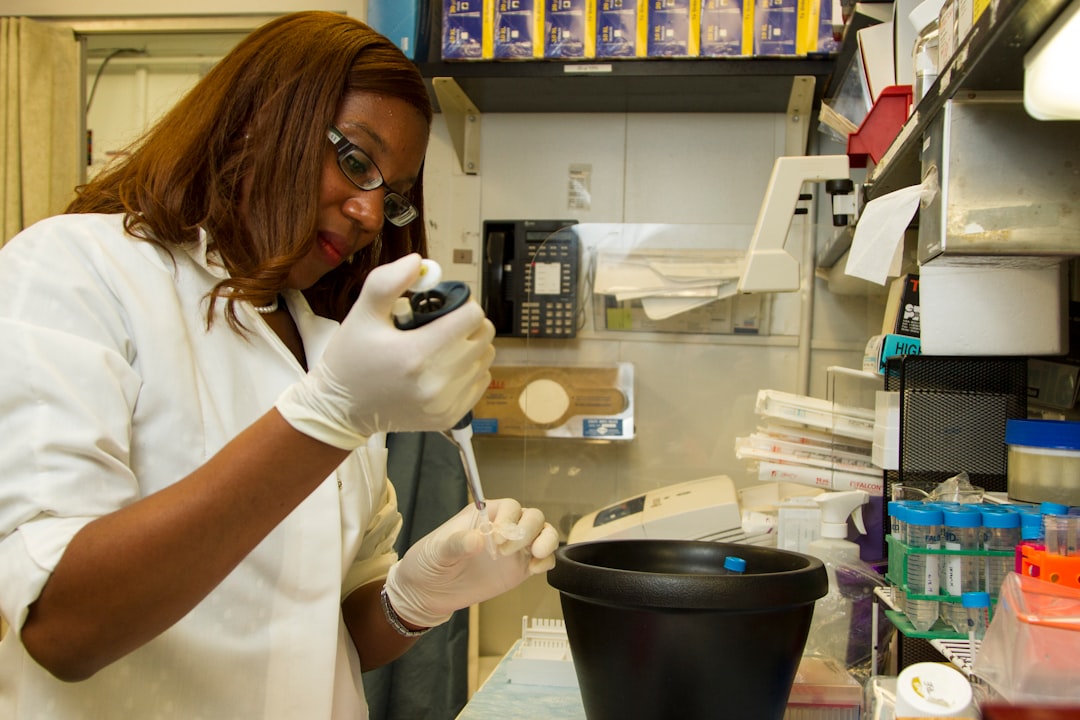
AI’s role in developing personalized science labs is particularly significant. By incorporating AI technologies, educators can design experiments that adapt to individual student abilities and interests. For example, AI can guide students in selecting variables to test, providing real-time feedback and suggestions based on their input. This level of customization can lead to deeper understanding and retention of scientific concepts.
Moreover, the demand for educators equipped with AI competencies is growing. As schools adopt these technologies, there is a corresponding need for teachers who can effectively integrate AI into their curricula. Professional development programs are emerging to prepare educators for this transition, emphasizing the importance of continuous learning in the teaching profession.
Counterpoint
Despite the promising advancements, the integration of AI in STEM education is not without challenges. Concerns regarding data privacy and the potential for bias in AI algorithms pose significant ethical considerations. Critics argue that reliance on technology could diminish the role of teachers, potentially undermining the human elements of education that are essential for student development. Addressing these concerns requires a balanced approach that prioritizes ethical considerations alongside technological advancements.
Looking Ahead
The future of AI in STEM education holds the potential for even more transformative changes. As AI technology continues to evolve, we can expect even greater personalization in learning experiences. The integration of virtual and augmented reality with AI could allow students to conduct experiments in simulated environments, further enhancing engagement and understanding.
 Education & University Insights
Sri Lanka High Commission Builds Education and Youth Bridges with India
Twenty Sri Lankan education administrators trained at NIEPA in New Delhi, while young leaders from six South Asian nations met at the Sri Lanka High…
Read More →Critics argue that reliance on technology could diminish the role of teachers, potentially undermining the human elements of education that are essential for student development.
In addition, as educational institutions embrace AI, we may see the emergence of new teaching roles focused on technology integration, data analysis, and student engagement. Preparing educators for these new roles will be vital in ensuring that the benefits of AI in education are fully realized. As we look towards the future, the collaboration between educators, technologists, and policymakers will be essential in navigating the complexities of this educational transformation.
Written by Career Ahead AI. AI can make mistakes, so verify key facts. Report errors to support@careeraheadonline.com.





