No products in the cart.

AI Infrastructure Drives Growth, Not Algorithms

Nvidia's CEO Jensen Huang emphasizes the critical role of infrastructure in AI development, highlighting a shift from algorithm-centric growth to a focus on physical resources. This change could reshape career paths for cloud engineers and AI researchers.

Nvidia’s CEO Jensen Huang has declared that the future of artificial intelligence (AI) is increasingly tied to infrastructure rather than algorithms. This statement, made on August 18, 2026, emphasizes the critical need for physical resources such as land, power, and data center facilities to support AI development. Huang’s insights come as the AI industry faces unprecedented demand for computing capacity, highlighting a shift in focus that could impact the careers of cloud infrastructure engineers and AI researchers.
The announcement aligns with Nvidia’s recent partnership with SB Energy to secure essential infrastructure at the PORTS-Pike Technology Campus in Portsmouth, Ohio. This facility will provide an initial capacity of 4.25 gigawatts for AI factories, where computing transforms energy and data into intelligence. Huang’s comments underscore a growing recognition that the availability of infrastructure could dictate the pace at which AI capabilities are expanded, marking a significant shift in the industry’s landscape. As Huang noted, “Access to land, power, and data-center shells is increasingly becoming as critical as advanced chips and computing systems for building AI factories” (Mint).
Infrastructure: The New Frontier for AI Development
Huang’s assertion that AI growth is constrained by infrastructure rather than algorithms indicates a pivotal change in the AI sector. Traditionally, the focus has been on developing advanced algorithms and models. However, as the demand for AI applications increases, so does the need for robust infrastructure to support them. Career Ahead’s analysis finds that this shift could create a significant skill gap for professionals in the AI field, particularly for cloud infrastructure engineers tasked with building and maintaining these systems.
The PORTS-Pike facility is a prime example of this new focus. It is designed to support multiple generations of computing systems, each potentially requiring around 1.5 million Nvidia GPUs. This level of capacity not only represents a considerable investment in infrastructure but also signals a long-term commitment to supporting AI’s growth. Nvidia’s strategy to secure physical infrastructure marks a departure from merely supplying computing components, indicating a broader role in the AI ecosystem. As Huang stated, the shift towards infrastructure investment is crucial for the next phase of AI development.
Additionally, as the industry shifts, there may be a growing demand for professionals who can navigate the complexities of energy management and sustainable practices in data center operations.
You may also like
 Industry & Global Trends
BT Expands Reach with TalkTalk Acquisition
The acquisition is seen as a strategic necessity for BT, allowing it to consolidate its position in a market that has seen increasing pressure from…
Read More →Moreover, the implications of this shift extend beyond just Nvidia. Other tech companies are likely to follow suit, recognizing that the infrastructure needed to support AI applications is as vital as the algorithms themselves. This could lead to a competitive landscape where companies are not only racing to develop better AI models but also to secure the necessary physical resources to deploy them effectively. According to Bloomberg, the increasing demand for AI capabilities will put pressure on existing infrastructure, making it essential for firms to invest in their own facilities and partnerships.
As AI becomes more infrastructure-intensive, the implications for cloud engineers are profound. They must now consider not only the software and algorithms but also the physical resources required to deploy these technologies effectively. This includes understanding power requirements, land acquisition, and the intricacies of data center operations. The evolving landscape suggests that cloud infrastructure engineers will need to develop new competencies to remain relevant in their roles. Additionally, as the industry shifts, there may be a growing demand for professionals who can navigate the complexities of energy management and sustainable practices in data center operations.
Furthermore, this shift in focus could lead to increased investment opportunities in infrastructure development. Companies and investors may look to capitalize on this trend by funding projects that enhance AI capabilities through better infrastructure. As demand for AI applications continues to rise, the pressure on existing infrastructure will only intensify, making it crucial for professionals to stay ahead of these changes. The potential for growth in this sector is significant, as highlighted by Huang’s comments regarding the need for a comprehensive approach to AI development that includes both hardware and software.
Emerging Tools and Technologies for AI Deployment
This democratization of AI infrastructure development could lead to a more diverse range of solutions and innovations, further driving the industry’s growth.
As the AI industry evolves, new tools and technologies are emerging to facilitate the deployment of AI systems. Nvidia’s CUDA software and networking capabilities are examples of innovations that help bridge the gap between computing power and AI applications. Huang’s emphasis on complete systems and AI factories indicates a trend toward integrated solutions that encompass both hardware and software. This integrated approach is essential for optimizing performance and ensuring that AI systems can operate efficiently within the constraints of available infrastructure.
Additionally, the collaboration between Nvidia and OpenAI at the PORTS-Pike facility highlights the importance of partnerships in driving AI infrastructure development. By working together, companies can leverage each other’s strengths to create more efficient and effective AI systems. This collaborative approach may become a standard practice in the industry, as firms seek to share resources and expertise to meet growing demands. The synergy between hardware providers and AI developers will be crucial in addressing the challenges posed by infrastructure limitations.
You may also like
 Industry & Global Trends
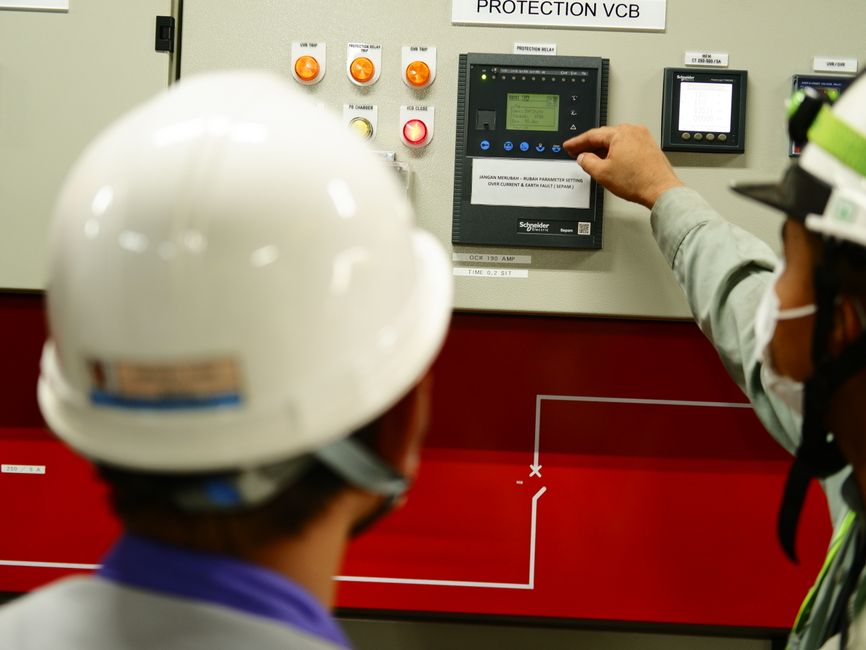
Mergers Reshape Automation Careers at Schneider Electric
Schneider Electric's aggressive investments in automation are reshaping the industry landscape in Europe. This shift is set to create significant job opportunities for automation engineers…
Read More →Furthermore, the focus on infrastructure opens up avenues for startups and smaller companies to enter the AI space. By developing niche solutions that address specific infrastructure challenges, these firms can carve out a competitive advantage. This democratization of AI infrastructure development could lead to a more diverse range of solutions and innovations, further driving the industry’s growth. As noted by Axios, the landscape is rapidly changing, and the ability to adapt to these new realities will be key for all players in the AI ecosystem.
As cloud infrastructure engineers and AI researchers adapt to these changes, they will need to embrace a mindset of continuous learning. The rapid pace of technological advancement requires professionals to stay informed about emerging tools and techniques that can enhance their capabilities. This adaptability will be essential for thriving in an increasingly infrastructure-driven AI landscape.
In summary, Nvidia’s Jensen Huang has highlighted the critical role of infrastructure in the future of AI development. As the industry shifts its focus from algorithms to physical resources, cloud infrastructure engineers and AI researchers must adapt to meet new demands. The implications of this shift are profound, with potential investment opportunities and emerging technologies reshaping the landscape of AI. As the AI sector continues to evolve, one question remains: how will companies balance the need for innovative algorithms with the pressing demands of infrastructure development? The answer to this question could define the future trajectory of AI and its impact on various industries.
Cloud infrastructure engineers can adapt by developing skills related to data center operations, power management, and land acquisition.
Frequently Asked Questions
What does Jensen Huang’s statement mean for AI researchers?
Jensen Huang’s emphasis on infrastructure indicates that AI researchers will need to focus more on the physical resources required for their projects. This shift may require them to collaborate more closely with cloud infrastructure engineers to ensure their algorithms can be effectively deployed.
How can cloud infrastructure engineers adapt to this focus on infrastructure?
Cloud infrastructure engineers can adapt by developing skills related to data center operations, power management, and land acquisition. Understanding the complexities of these areas will be crucial as the demand for AI capabilities continues to grow.

What are the investment opportunities in AI infrastructure?
As AI becomes more infrastructure-intensive, there will be significant investment opportunities in developing data centers, energy resources, and other physical assets. Companies that can provide these resources may find themselves in high demand as the industry expands.
You may also like
 Industry & Global Trends
Sensex Surges 473 Points as Softer US Jobs Data Boosts Indian Market
The Indian stock market experienced a notable boost as the Sensex surged by 473 points and the Nifty gained 134 points, driven by softer-than-expected US…
Read More →