No products in the cart.

AI Interviews: When the Algorithm Misses the Human

AI interview screens can cut hiring time but often discard qualified talent, reinforce bias, and erode the human insight needed for good hires. Hybrid models, audits, and upcoming regulations offer a path to smarter, fairer recruitment.

Relying too heavily on AI interview screens is cutting out qualified talent, skewing diversity, and eroding the personal judgment that keeps companies afloat.
The Problem with AI in Hiring
When Unilever introduced an AI-driven video interview platform, the company reported a 30% reduction in hiring time. However, dozens of applicants complained that the system flagged them for “lack of confidence” after a single nervous pause. This incident highlights three hidden dangers of relying on AI in hiring: AI filters amplify existing biases, ignore nuanced soft skills, and dehumanize candidates.
The Rise of AI in Recruitment
Vendors such as HireVue and Pymetrics market AI assessments as a solution to recruiter overload. Their promises of “objective, data-driven decisions” and “scalable productivity” have led to widespread adoption. By 2025, 57% of large enterprises had deployed at least one AI hiring tool, according to a Gartner survey. However, a 2024 Aptahire report showed that facial-recognition scoring can penalize candidates with certain facial features, reproducing racial bias.
This incident highlights three hidden dangers of relying on AI in hiring: AI filters amplify existing biases, ignore nuanced soft skills, and dehumanize candidates.
The Consequences of Overreliance
For applicants, the stakes are personal and systemic. Over-filtering means qualified graduates from under-represented schools never get a foot in the door. A Harvard Business Review study linked AI assessment tools to a 12% drop in applicant diversity across tech firms that used them. Employers suffer too, as missed soft-skill signals can lead to hires who clash with team culture, raising turnover costs.
Mitigating the Risks of AI in Hiring
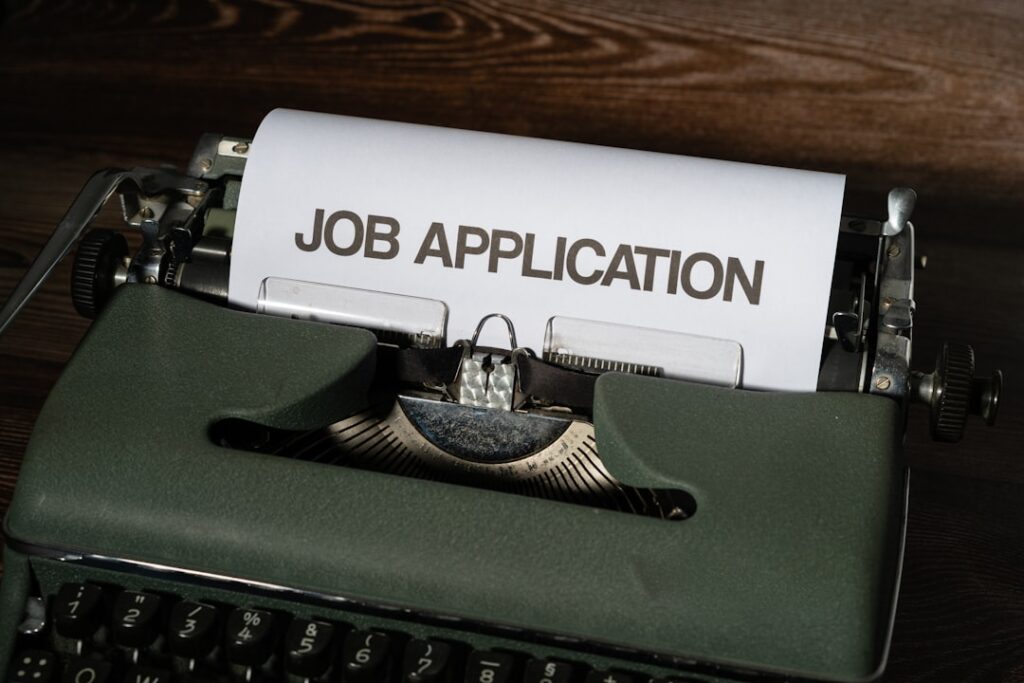
Hybrid models are emerging as a pragmatic fix. Recruiters at IBM pair AI-generated scorecards with a brief human interview to validate soft-skill cues. Regular algorithm audits are essential, and companies that publish these audit results build trust and catch problems early. Training hiring managers on AI limitations also helps, teaching them to question outlier scores rather than accept them blindly.
The Future of AI in Recruitment
The next wave of tools will blend natural-language processing with affective computing to better gauge empathy and cultural fit. Regulation is catching up, with the EU’s AI Act requiring high-risk hiring systems to undergo conformity assessments and provide explainable decisions. Success will hinge on balance, as companies that treat AI as a decision-support tool – not a decision-maker – will reap productivity gains without sacrificing fairness.
You may also like
 AI & Technology
Higher education reallocates capital to digital platforms
The analysis that follows dissects the mechanisms, systemic implications, and stakeholder outcomes.
Read More →