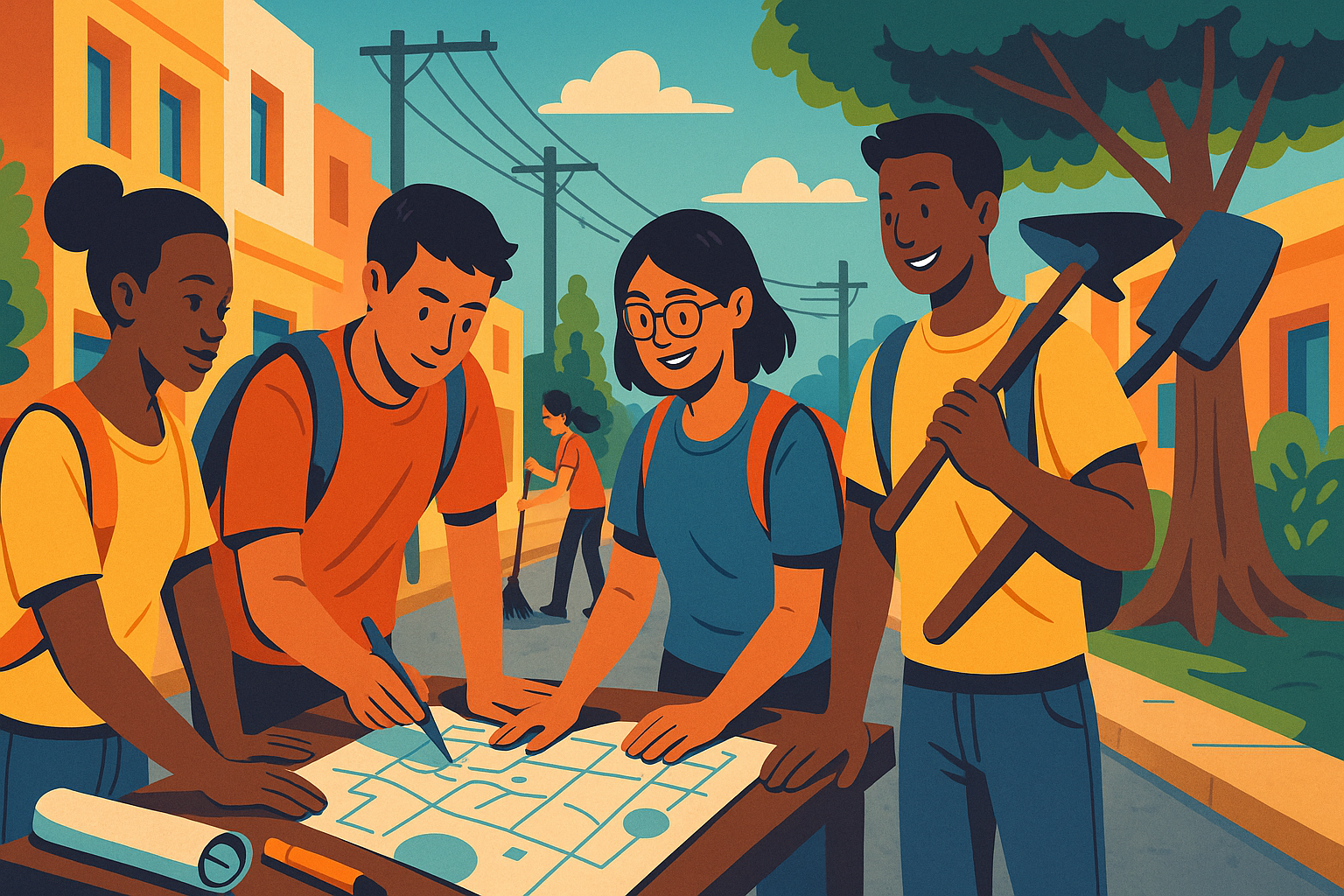
High school students now have a new ally in their studies: ChatGPT for Teens. Launched recently, this tool helps students learn without doing their homework for them. This approach fosters independence and encourages critical thinking skills. The tool includes Study Mode, homework reminders, quizzes, and parental controls, making it a comprehensive educational resource.
This tool aims to fill a crucial gap in education. Many teenagers struggle with various subjects and often seek direct answers instead of engaging with the material. ChatGPT for Teens addresses this by providing step-by-step guidance. It helps students think through problems instead of just handing them solutions. As a result, students can prepare better for tests and assignments, leading to improved academic performance.
Enhancing Study Techniques with AI
One standout feature of ChatGPT for Teens is its Study Mode. This mode allows students to receive hints and ask questions without getting direct answers. For example, a student struggling with a math problem can ask for guidance on the next steps instead of just receiving the final answer. This method promotes active learning, which is essential for mastering complex subjects.
Research by studyx.ai shows that interactive learning tools like ChatGPT significantly improve retention rates. By encouraging students to engage actively with the material, they are more likely to remember what they learn. This is especially important in subjects like math and science, where problem-solving skills are crucial.
Additionally, ChatGPT for Teens can turn chapters into practice quizzes, covering over 70 concepts in math and science. This feature allows students to test their knowledge and find areas needing further review. With customized quizzes based on their progress, students can focus on their weaknesses, making study sessions more effective.
Moreover, the tool provides visualizations that help students understand complex topics better. For example, a student preparing for a chemistry exam can visualize chemical reactions, making the information easier to grasp. This support is invaluable for visual learners who may struggle with traditional text-based resources.
Incorporating parental controls ensures that students use the tool effectively and safely. Parents can set Study Hours and Quiet Hours, allowing them to manage their teen’s usage without hovering. This feature promotes independence while giving parents peace of mind about screen time and content exposure.
Improved Engagement in Learning Engagement is critical for effective learning, and ChatGPT for Teens aims to enhance this aspect.
Overall, integrating AI tools like ChatGPT for Teens into education represents a shift towards personalized learning experiences. By allowing students to take charge of their learning while providing support, these tools can help cultivate a generation of independent thinkers.
Improved Engagement in Learning
Engagement is critical for effective learning, and ChatGPT for Teens aims to enhance this aspect. The tool encourages students to ask questions and seek clarification, fostering a more interactive learning environment. This approach can lead to higher levels of motivation and curiosity among students.
Research from studyfetch.com highlights that interactive tools increase student engagement by making learning more enjoyable. When students can explore topics in depth, they are more likely to participate actively in their education. This is especially important in high school, where students prepare for college and future careers.
Moreover, the ability to create personalized study plans sets ChatGPT for Teens apart. Students can ask the tool to help them create a revision schedule tailored to their upcoming tests and assignments. This customization ensures that students can manage their time effectively, balancing studies with other commitments.
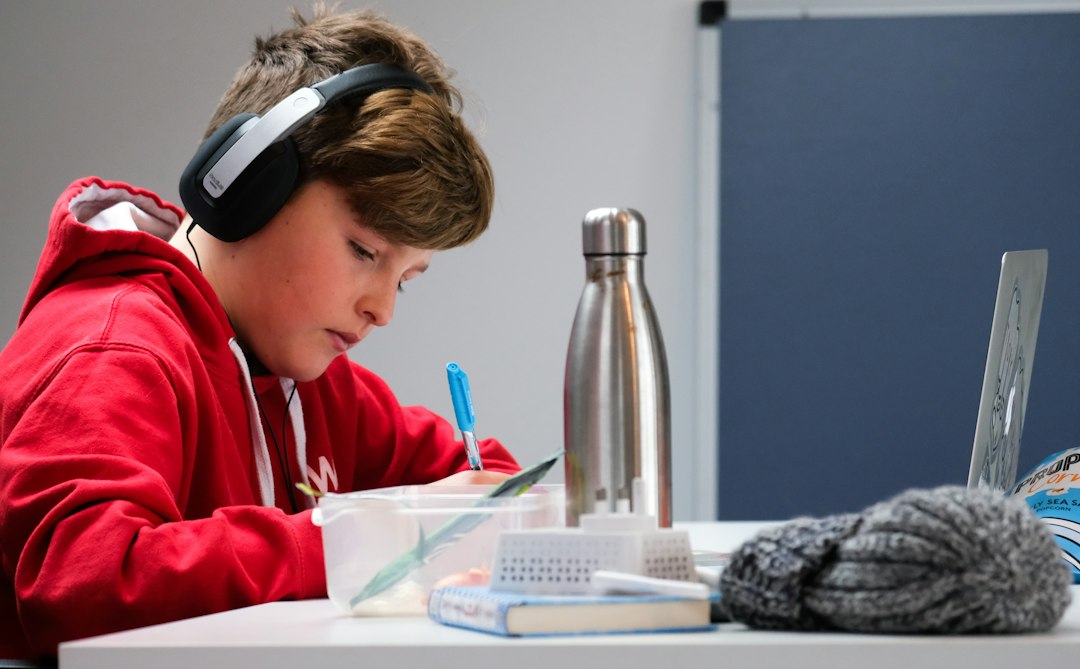
As students interact with the tool, they can also receive feedback on their performance. For instance, after completing a quiz, a student can ask ChatGPT to analyze their answers and suggest topics for further review. This feedback loop is crucial for continuous improvement and helps students take ownership of their learning process.
Furthermore, incorporating gamification elements, such as quizzes and challenges, can make studying more appealing. Students are more likely to engage with material presented in a fun and interactive way. This shift toward gamified learning can help reduce the stress associated with studying and promote a healthier attitude toward education.
With the rise of AI tools in education, traditional teaching methods are evolving. ChatGPT for Teens shows how technology can create more engaging and effective learning environments. As students become accustomed to using such tools, we may see a shift in educational practices that prioritize student engagement and active participation.
Supporting Educators in Guiding Students Educators play a vital role in shaping students’ learning experiences, and tools like ChatGPT for Teens can support their efforts.
Additionally, the parental controls in ChatGPT for Teens facilitate a collaborative approach to learning. Parents can monitor their child’s progress without intruding on study time, creating a supportive environment. This balance between independence and guidance is crucial for developing responsible and self-motivated learners.
Supporting Educators in Guiding Students
Educators play a vital role in shaping students’ learning experiences, and tools like ChatGPT for Teens can support their efforts. By providing teachers with insights into student performance and engagement, this AI tool can enhance the teaching process. For example, educators can track which topics students struggle with and adjust their teaching strategies accordingly.
According to studley.ai, AI-powered study tools can help educators identify trends in student learning, allowing for targeted interventions. This data-driven approach enables teachers to provide personalized support to students who need extra help. By leveraging AI capabilities, educators can create more effective lesson plans and improve classroom dynamics.
Moreover, using AI tools can ease some administrative burdens on teachers. For instance, educators can use ChatGPT to generate quizzes or study materials, saving valuable time. This efficiency allows teachers to focus more on engaging with students and less on administrative tasks.
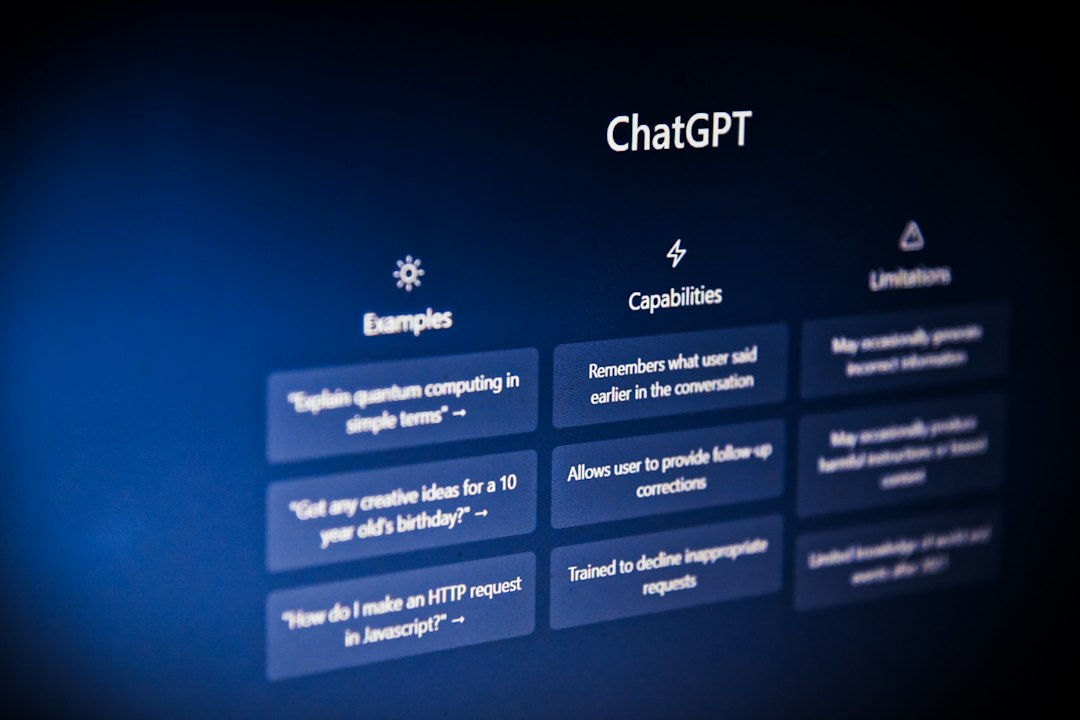
Furthermore, the collaborative nature of ChatGPT for Teens encourages a partnership between educators and parents. Teachers can communicate with parents about their child’s progress and suggest ways to use the tool effectively at home. This collaboration can lead to a more cohesive educational experience, benefiting students in the long run.
As the educational landscape evolves, AI tools will play an increasingly significant role. By integrating tools like ChatGPT for Teens into their teaching practices, educators can enhance student learning and engagement while streamlining their workflows.
As schools and educators adapt to these changes, it will be essential to monitor the effectiveness of these tools in improving student outcomes.
The future of education may rely on a combination of technology and traditional teaching methods. As schools and educators adapt to these changes, it will be essential to monitor the effectiveness of these tools in improving student outcomes.
As we look ahead, the integration of AI in education raises questions about the balance between technology and traditional learning methods. Will tools like ChatGPT for Teens redefine the role of educators, or will they complement existing teaching practices? The answers to these questions will shape the future of learning for generations.
Frequently Asked Questions
How can high school students use ChatGPT for studying?
High school students can use ChatGPT for Teens to engage with their study material effectively. The tool provides hints and questions in Study Mode, helping students learn problem-solving skills without giving them direct answers.
What features of ChatGPT are beneficial for educators?
ChatGPT for Teens offers features like performance tracking and quiz generation, which help educators tailor their teaching strategies. This data-driven approach allows teachers to provide personalized support to students based on their needs.
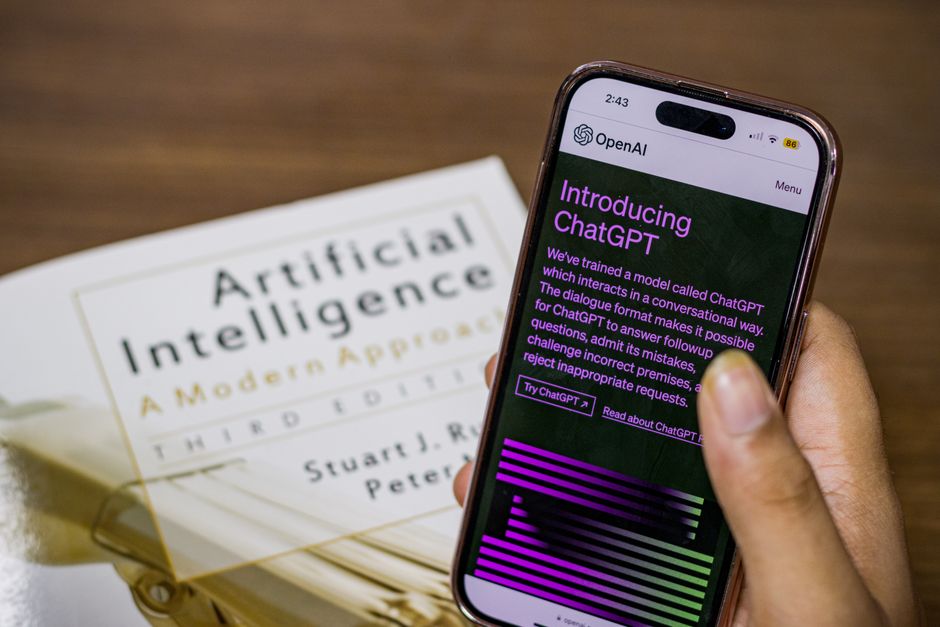
How should educators incorporate AI tools into their teaching strategies?
Educators can incorporate AI tools by using them to generate study materials and track student performance. This integration can help streamline administrative tasks while enhancing student engagement and learning outcomes.
Written by Career Ahead AI. AI can make mistakes, so verify key facts. Report errors to support@careeraheadonline.com.