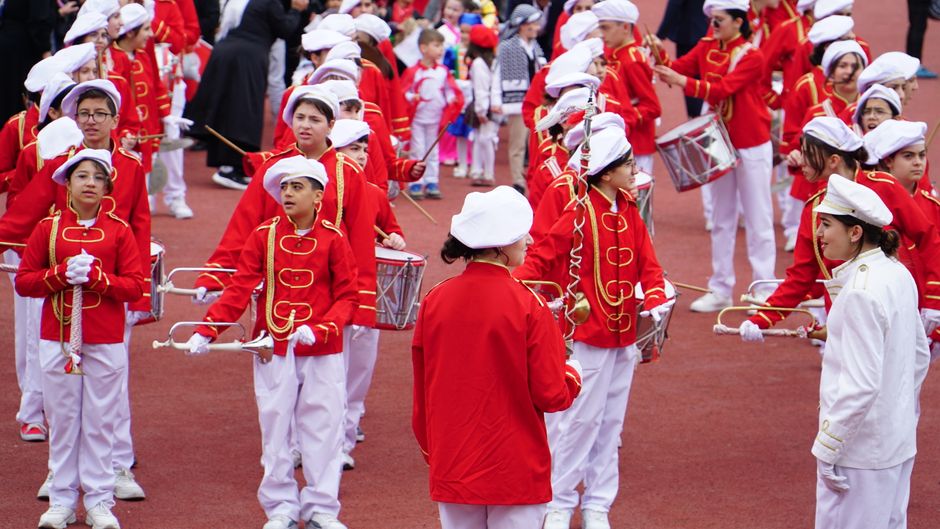
Middle school students in the U.S. are working on a unique project. They are writing and performing a play about Joseph Stalin and his tyrannical regime. This initiative, reported on October 1, 2026, shows how drama can enhance students’ understanding of history. Their efforts highlight the important connection between creativity and education, demonstrating how drama can be a powerful tool in history classes.
The project encourages students to explore the complexities of Stalin’s leadership. By creating stories about his life and policies, they learn more than just facts. They develop a deeper emotional connection to the material. This method fosters critical thinking and empathy, which are essential skills for today’s world.
The Role of Drama in Understanding History
Drama in education is known for engaging students and enhancing learning. According to Career Ahead’s analysis, using drama in history education allows students to explore narratives from different perspectives. This helps them understand the events and the human emotions behind them.
Moreover, drama encourages active participation. Students become characters in their stories, leading to a better understanding of the historical context. For example, portraying Stalin’s regime requires them to research and empathize with those who lived under his rule. This engagement turns abstract historical concepts into relatable human experiences.
As students write and perform their plays, they improve their writing skills and learn about narrative structure, character development, and historical accuracy.
Research from learnfully.com shows that middle school is a crucial time for students to develop their identities and understand complex social issues. By tackling tough subjects like Stalin’s tyranny, students can build their analytical skills and learn to navigate moral dilemmas. This is vital in a world where understanding history informs current social and political discussions.
Additionally, drama connects history with other subjects. As students write and perform their plays, they improve their writing skills and learn about narrative structure, character development, and historical accuracy. This interdisciplinary approach enriches their educational experience and prepares them for future academic challenges.
Creative Writing’s Impact on Historical Understanding
Creative writing is a powerful tool for fostering historical understanding. When students write about historical events, they engage critically with the material. They analyze sources, evaluate different viewpoints, and create narratives that reflect their understanding of the past. Career Ahead research finds that this process improves retention and comprehension, making it easier for students to recall information later.
In the case of the play about Stalin, students must sift through various historical accounts to portray their characters authentically. This research process deepens their knowledge of Stalin’s regime and sharpens their critical thinking skills. They learn to question sources, identify bias, and understand the complexities of historical narratives.
Performing their work allows students to express their interpretations of history creatively.
Performing their work allows students to express their interpretations of history creatively. This performance aspect can lead to discussions about the ethical implications of historical events. It encourages students to think critically about the past and its relevance to the present. For example, how do Stalin’s policies relate to today’s issues of power and governance?

Engaging with sensitive topics like Stalin’s tyranny requires a careful approach. Teachers can guide discussions about the moral implications of historical actions. This helps students navigate their feelings and responses. According to edu.com, understanding these complexities is crucial for middle schoolers as they develop their social and emotional skills. This guidance ensures that students can explore difficult subjects while fostering a respectful and empathetic classroom environment.
As students engage with these historical narratives, they develop a sense of agency. They realize that history is not just dates and events but a collection of human experiences that shape our world today. By portraying figures like Stalin, they gain insights into the consequences of power, oppression, and resistance.
This project reminds us of the importance of teaching history in a way that resonates with young learners. By integrating drama and creative writing into the curriculum, educators can help students develop critical thinking skills, empathy, and a deeper understanding of the complexities of human experience.
Looking ahead, the success of this initiative may inspire more schools to adopt similar approaches. As educators seek innovative ways to engage students, the combination of drama and history could become a staple in classrooms. This shift would enrich students’ educational experiences and prepare them to be informed and empathetic citizens.
Career Ahead’s analysis shows that middle school drama students can enhance their historical research skills by engaging in projects that require them to investigate different perspectives.
Frequently Asked Questions
How can middle school drama students improve their historical research skills?
Career Ahead’s analysis shows that middle school drama students can enhance their historical research skills by engaging in projects that require them to investigate different perspectives. Writing plays about historical figures helps them analyze sources and evaluate information accuracy.
What techniques can history teachers use to incorporate drama into their curriculum?
Teachers can incorporate drama by assigning projects that involve role-playing historical figures or writing plays based on historical events. This method encourages students to explore narratives creatively and develop a deeper understanding of the material.

How should middle school teachers approach sensitive historical topics like Stalin’s regime?
Teachers should approach sensitive historical topics by fostering an open and respectful classroom environment. This includes guiding discussions that allow students to express their thoughts and feelings while providing context to help them understand the complexities of the issues.
Written by Career Ahead AI. AI can make mistakes, so verify key facts. Report errors to support@careeraheadonline.com.