

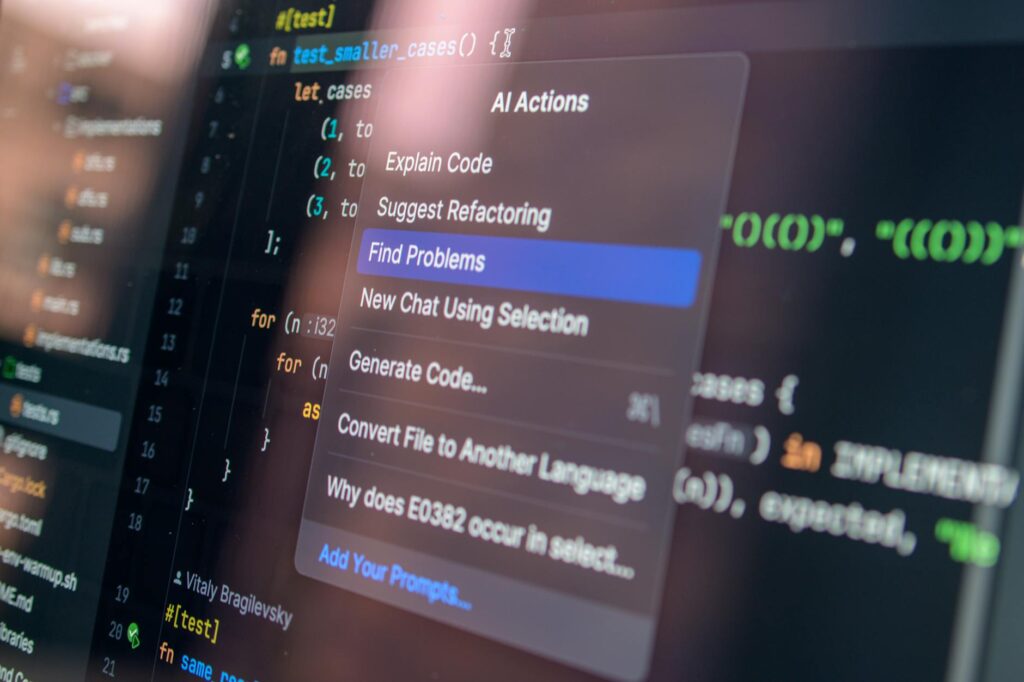
AI-driven résumé filters are quietly reshaping hiring pools, often in ways that widen existing inequities.
The Problem with AI-Driven Hiring
Amazon’s experience with its recruiting engine in 2018 highlighted the issue of bias in AI-driven hiring. The system downgraded candidates with “women’s college” in their education histories, citing bias against women. Similarly, HireVue’s video-interview AI flagged Black applicants as “less confident” based on facial-expression metrics, prompting a class-action lawsuit. These cases illustrate a broader pattern: algorithms trained on historic hiring data inherit the same prejudices that once filtered out underrepresented groups.
The Rapid Rollout of AI Resume Parsers
The pandemic forced HR teams to digitize every step of recruitment. As a result, 68% of large firms added AI résumé parsers between 2020 and 2022 to cope with surging applicant volumes. While these tools can scan thousands of CVs in seconds, they often lack nuance. A human recruiter might discount a career gap caused by caregiving, but an algorithm can interpret the same gap as a red flag.
The system downgraded candidates with “women’s college” in their education histories, citing bias against women.
The Stakes of AI-Driven Hiring
If AI filters continue to sideline women, minorities, and non-traditional talent, companies risk more than a PR crisis. Firms with diverse workforces outperform peers on innovation metrics by up to 35%, according to Brookings. Conversely, homogenous teams can miss market insights and suffer higher turnover. Legal exposure is also rising, with the EEOC opening investigations into algorithmic discrimination at several tech firms this year.
Mitigating Bias in AI-Driven Hiring
Transparency is key to mitigating bias in AI-driven hiring. Companies like Unilever now publish audit results of their AI hiring partner, showing a 12% reduction in gender disparity after retraining the model on a balanced dataset. Audits must go beyond surface metrics and test for intersectional effects, such as how race and disability interact in scoring. Using diverse training data is essential, but not sufficient – research from Brookings recommends embedding “fairness constraints” that force the algorithm to treat protected groups equally during optimization.
Human Oversight and Regulation
Human oversight remains the safety net in AI-driven hiring. Some firms employ a “human-in-the-loop” policy where recruiters must review any candidate flagged below a certain threshold before rejection. Regulators are also stepping in, with the EU’s AI Act classifying résumé-screening software as “high-risk” and mandating conformity assessments and post-deployment monitoring.
The Future of AI-Driven Hiring
The next wave of recruitment will likely blend AI efficiency with human judgment. As generative AI matures, tools can draft unbiased job descriptions, suggest skill-based match criteria, and flag potential bias in real time. Companies that embed fairness into the design phase will gain a competitive edge in talent markets that increasingly value inclusion.
Written by Career Ahead AI. AI can make mistakes, so verify key facts. Report errors to support@careeraheadonline.com.





