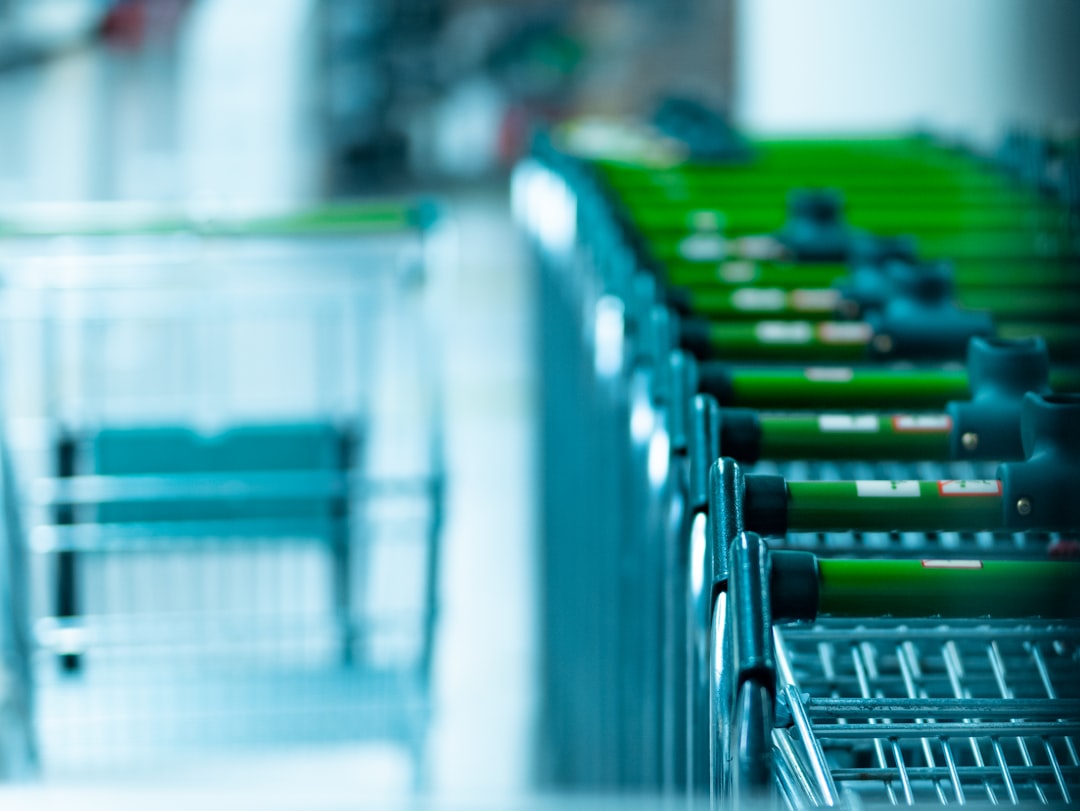
Morrisons has launched a trial of AI-powered shopping trolleys at its Ashton-on-Ribble store, marking a significant development in the grocery retail sector.
Lancashire, UK — Morrisons has launched a trial of AI-powered shopping trolleys at its Ashton-on-Ribble store, marking a significant development in the grocery retail sector. These smart trolleys, developed by Instacart, allow customers to shop without manually scanning items. As customers place items in their trolleys, the system automatically tracks the total cost and suggests related products, aiming to enhance the shopping experience.
The introduction of these AI trolleys comes at a time when retailers are increasingly looking for ways to improve efficiency and customer satisfaction. The response from customers has been largely positive, with many noting how the trolleys help them manage their budgets better. For example, one customer reported that the trolley helped him stick to an £80 budget by providing a real-time tally of his purchases. This feature not only aids in budget management but also enhances the overall shopping experience by reducing the anxiety often associated with overspending.
The Rise of AI in Retail Operations
The integration of AI into grocery shopping is not just a trend; it represents a shift towards more automated and efficient retail operations. The Caper smart trolleys are already in use in over 100 cities worldwide, showcasing a growing acceptance of technology in everyday shopping. Morrisons’ decision to adopt this technology places it at the forefront of retail innovation in the UK. According to a report by Forbes, the retail sector is increasingly investing in AI technologies to streamline operations and improve customer engagement, which is vital in today’s competitive market.
Career Ahead’s analysis finds that this trial aligns with broader trends in retail where companies are increasingly investing in technology to streamline operations. For instance, the use of AI can reduce checkout times and enhance inventory management, which are critical for improving the customer experience. This shift is particularly relevant as many consumers now expect a seamless shopping experience that incorporates technology. The positive reception of these AI trolleys suggests that customers are not only open to but are also eager for innovations that simplify their shopping journeys.
However, the implementation of AI technology also raises questions about the future of jobs within grocery retail. As these smart trolleys automate certain aspects of the shopping experience, there may be a need for fewer cashiers and staff dedicated to managing checkout lines. This could lead to significant changes in workforce requirements, as employees may need to adapt to new roles focused on technology management and customer service. The Guardian highlights that while automation can enhance efficiency, it also poses challenges regarding job security for traditional retail roles.
This could lead to significant changes in workforce requirements, as employees may need to adapt to new roles focused on technology management and customer service.
Schneider Electric's $23 billion acquisition of PTC marks a pivotal moment in the AI landscape, creating new job opportunities and driving innovation across various sectors.
Moreover, the success of this trial could prompt other retailers to consider similar technologies. As competition in the grocery sector intensifies, those who fail to innovate may find themselves at a disadvantage. The potential for widespread adoption of AI shopping trolleys could reshape the landscape of grocery shopping in the UK, compelling retailers to rethink their strategies in order to remain relevant.
Customer Experience and Operational Efficiency
The positive feedback from customers using the AI trolleys highlights their potential to transform the shopping experience. Customers have expressed that the ability to see their total spend in real-time helps them make informed purchasing decisions, reducing the likelihood of overspending. This feature is particularly beneficial for budget-conscious shoppers. The Guardian reported that many customers have found the trolleys to be a game-changer, with one user stating, “They make life much easier,” emphasizing the convenience brought by this technology.
Additionally, the AI trolleys can suggest complementary products, which could lead to increased sales for Morrisons. This personalized shopping experience is becoming increasingly important as retailers strive to create a more engaging environment for consumers. By leveraging AI, Morrisons can not only improve customer satisfaction but also enhance its bottom line. The ability to recommend items based on a shopper’s current selections not only adds value to the shopping experience but also encourages customers to explore new products they might not have considered otherwise.
However, the introduction of such technology is not without challenges. Some customers have reported initial confusion when using the trolleys, indicating a learning curve associated with new technology. Retailers will need to provide adequate training and support to ensure that all customers can benefit from these innovations. Ensuring that staff are well-equipped to assist customers in navigating the technology will be crucial for maintaining a positive shopping environment.
Furthermore, the success of AI-powered trolleys will depend on the reliability of the technology. Any technical issues could frustrate customers and undermine their shopping experience. Morrisons will need to ensure that the trolleys are well-maintained and that staff are trained to assist customers effectively. As the trial progresses, it will be crucial for Morrisons to gather data on customer interactions with the trolleys. This information will help the company refine the technology and enhance its features based on user feedback. Such iterative improvements will be key to the successful integration of AI into grocery shopping.
Such iterative improvements will be key to the successful integration of AI into grocery shopping.
The future of grocery shopping is poised for transformation as AI technologies become more integrated into everyday operations. The success of Morrisons’ trial could pave the way for a new standard in retail, where automation enhances rather than replaces the human element in shopping. As the industry evolves, it will be essential for retailers to strike a balance between leveraging technology and preserving the personal touch that customers value.
Frequently Asked Questions
What are the benefits of AI shopping trolleys for grocery stores?
AI shopping trolleys can improve customer experience by providing real-time tracking of purchases and suggesting related products. This not only enhances the shopping experience but can also lead to increased sales for grocery stores.
How can retail managers prepare for AI integration in their operations?
Retail managers should focus on training staff in technology management and customer service skills. Understanding the technology and its implications will be crucial for effectively integrating AI into grocery operations.
What skills should retail operations managers develop to adapt to AI technologies?
Retail operations managers should develop skills in data analysis and technology maintenance. As AI becomes more prevalent, the ability to interpret data and manage technological systems will be essential for success in the industry.



AI & Technology
AI & Technology