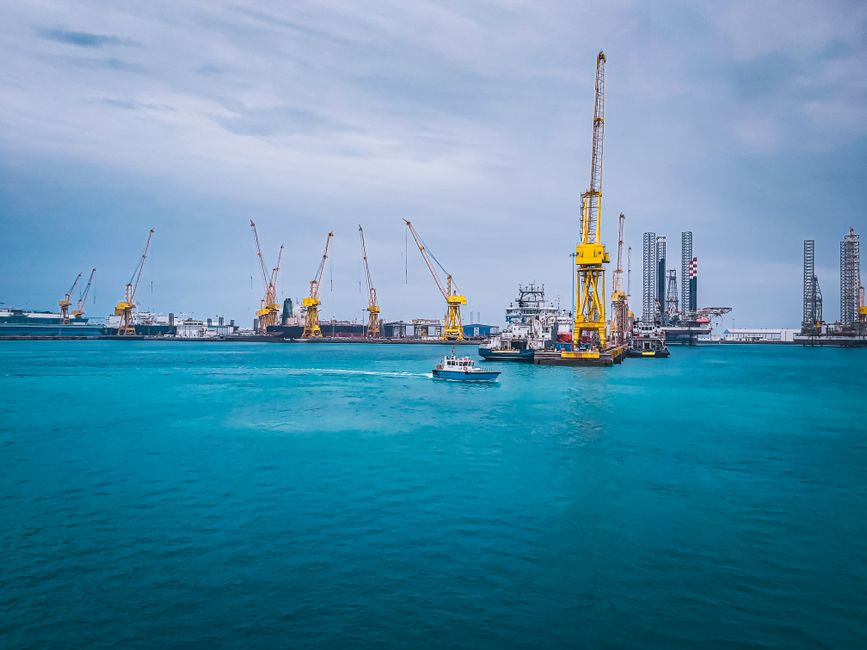
Recent attacks in the Gulf have raised fears about energy trade routes. On October 5, 2026, several assaults targeted oil tankers and facilities. These attacks disrupted shipping operations and caused oil prices to rise. The effects of these incidents go beyond immediate disruptions, threatening the long-term energy market dynamics.
The Gulf region is a vital route for global oil transportation. Instability here can lead to price spikes and supply chain issues. As a result, energy trade analysts are reassessing their strategies and considering future investment implications.
Impact on Oil Prices and Market Sentiment
The recent attacks have already impacted oil prices. After the assaults, Brent crude prices jumped by over 5%. This reflects market anxiety about possible supply disruptions. Career Ahead’s analysis shows that price fluctuations often occur due to geopolitical tensions, especially in the Gulf, which supplies a large portion of the world’s oil.
Market reactions typically include increased speculative trading. Investors often seek to profit from volatility, which can worsen price swings. This creates an unstable environment for energy investors. The International Energy Agency (IEA) warns that ongoing instability could lead to sustained higher prices, affecting global economic recovery.
Additionally, analysts at Bloomberg suggest that if attacks continue, energy companies may change their trade routes. This shift could help reduce risks associated with shipping through the Gulf. However, it may also increase transportation costs and lengthen delivery times, further straining the energy market.
Energy investors now need to consider immediate financial impacts and long-term trade changes. Career Ahead research indicates that companies may need to diversify their supply chains and explore alternative routes to protect against future disruptions.
Career Ahead research indicates that companies may need to diversify their supply chains and explore alternative routes to protect against future disruptions.
Supply Chain Disruptions and Logistics Management
The logistics sector faces major challenges due to the recent attacks. With key shipping routes threatened, logistics managers must adapt quickly. Disruptions in the Gulf can cause delays and higher costs, affecting the entire supply chain.
Career Ahead’s analysis shows that logistics managers should prepare for possible shipment rerouting. This may require negotiating new contracts with shipping companies or finding alternative transportation methods. Agility in logistics planning is crucial for maintaining operations during uncertainty.
The increased risk of attacks may also lead companies to invest in better security for their transport vessels. This could mean using additional escorts for shipments or advanced tracking technologies. While these investments may raise operational costs, they are necessary for shipment safety.
Companies must work with their insurance providers to understand the changing landscape and ensure proper coverage.
Furthermore, the attacks have raised concerns about insurance coverage for companies in high-risk areas. Insurers might change their policies and premiums due to the increased risk. Companies must work with their insurance providers to understand the changing landscape and ensure proper coverage.
Investment Risks in Gulf Energy Projects
The ongoing geopolitical tensions in the Gulf are forcing energy investors to rethink their strategies. Projects in the region, once seen as stable, now face more scrutiny due to potential violence and disruption. Career Ahead research suggests that investors may need to take a more cautious approach to new ventures in the Gulf.
Investing in Gulf energy projects has been attractive due to the region’s vast reserves and infrastructure. However, the recent attacks show the area’s volatility, prompting investors to look for safer opportunities elsewhere. This shift could decrease foreign direct investment in Gulf countries, impacting their economies.
Moreover, uncertainty about energy prices may delay projects as companies reassess their feasibility. Investors will likely want more thorough risk assessments and contingency plans before committing capital to Gulf projects.
As the situation evolves, energy investors must stay informed about geopolitical developments and their market impacts. Career Ahead analysis finds that those who adjust their strategies proactively will be better positioned to navigate the energy market’s complexities in the coming years.
The recent attacks in the Gulf remind us of the fragility of energy trade routes and global market connections. As tensions rise, the energy sector must adapt to an uncertain environment.
Energy trade analysts must reassess risk management strategies due to the recent attacks.
Frequently Asked Questions
What are the implications of Gulf attacks for energy trade analysts?
Energy trade analysts must reassess risk management strategies due to the recent attacks. Career Ahead’s analysis indicates that analysts should prepare for increased oil price volatility and consider alternative trade routes to reduce risks.
How should oil and gas investors adjust their portfolios in light of recent events?
Investors should take a more cautious approach, focusing on projects with lower geopolitical risk. Career Ahead research suggests diversifying investments and seeking opportunities outside the Gulf region may be wise.
What contingency plans should logistics managers in energy consider for geopolitical risks?
Logistics managers should prepare for potential shipment rerouting and invest in enhanced security measures. Career Ahead’s findings indicate that agility in logistics planning is crucial for maintaining operations amid rising tensions.
Written by Career Ahead AI. AI can make mistakes, so verify key facts. Report errors to support@careeraheadonline.com.